Cream Formulation Issues: Separation, Stinging, and Ingredient Compatibility
Question
I am trying to formulate a cream but encountered several issues. My formula resulted in a serum-like consistency, separated into layers, and caused a slight stinging sensation when applied. I measured the pH after mixing and it was around 5.
My formula includes:
- Safe B3
- Proniacin
- Zinc PCA
- Satin Cream Maker (2%)
- Panthenol
- Double Hyaluronic
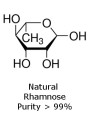
- Rhamnose
- CoQ10
- L-Carnitine
- Phenoxyethanol (Preservative)
My questions are:
- Why did the formula not become a cream and separate, and how can I fix this?
- Can I still use the separated mixture as a toner by shaking it before use?
- Is a measured pH of 5 appropriate for this formula?
- Why did it cause a slight stinging sensation?
- Additionally, I was told that Safe B3 should not be used with Proniacin. Why is this the case, and should I continue using both or just one?
Answer
Analysis of Your Cream Formula Issues
Thank you for providing your formula and details about the issues you encountered. Based on the ingredients and results, here's an analysis of what might have gone wrong and how to address it:
1. Why it didn't become a cream and separated, and how to fix it:
- Insufficient Emulsifier: The primary reason your formula resulted in a serum-like consistency and separated is likely due to the low concentration of the emulsifier, Satin Cream Maker (2%). Emulsifiers are crucial for binding the water and oil phases together to form a stable cream or lotion. For a formula with a significant oil phase (your oil phase is 13%), 2% Satin Cream Maker is generally not enough to create a stable emulsion, especially with the presence of other ingredients that can affect viscosity.
- Impact of Zinc PCA: Zinc PCA can also contribute to reducing the viscosity of formulations, making it harder to achieve a cream texture when the emulsifier is already low.
- Total Percentage Error: Your ingredient percentages add up to 106.5%, which indicates a calculation error. Ensure your total formula adds up to 100%.
To fix this and achieve a cream texture, you would need to significantly increase the amount of Satin Cream Maker. However, as noted in the forum reply, increasing this emulsifier might lead to a sticky or heavy feel on the skin. Finding the right balance requires testing.
2. Can it be used as a toner by shaking before use?
- Yes, you can likely use the mixture as a toner by shaking it well before each application to temporarily combine the separated phases. However, the performance and stability might not be optimal compared to a properly emulsified product.
3. Is the measured pH of 5 appropriate?
- Yes, a pH of 5 is suitable for cosmetic products and is within a good range for skin compatibility and the stability of most ingredients in your formula.
4. Why did it cause a slight stinging sensation?
- Several ingredients in your formula are known to potentially cause a stinging or warming sensation, especially at higher concentrations or on sensitive skin. These include Safe B3 (Niacinamide), Pro-Niacin (Myristyl Nicotinate), CoQ10, and L-Carnitine.
- The preservative Phenoxyethanol can also be irritating for some individuals. Consider replacing it with a milder alternative like Mild Preserved Eco at 1% to potentially reduce irritation.
Additional Formulation Advice:
- Safe B3 and Pro-Niacin: As mentioned in the forum reply, using both Safe B3 (Niacinamide) and Pro-Niacin (Myristyl Nicotinate) in the same formula is generally redundant. Pro-Niacin is a derivative that is often considered more effective and less irritating than Niacinamide. Using Pro-Niacin alone is usually sufficient.
- Humectant Levels: The combined percentage of humectants and thickeners like Panthenol, Double Hyaluronic, and Rhamnose is quite high (total 11%). This can contribute to a heavy or slightly sticky feeling on the skin, particularly for oily or combination skin types.
To successfully create a stable cream, you would need to revise your formula, focusing on the correct emulsifier concentration for your oil phase and potentially adjusting the levels of actives or humectants based on desired texture and skin feel, while also ensuring the total percentage is 100%.
Related Products Mentioned
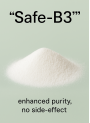
Safe-B3™ (Vitamin B3, Niacinamide)
GlucoBright™ (Acetyl Glucosamine)
Phenoxyethanol (Extra Pure)
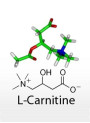
L-Carnitine (Carnitine)

Satin Cream Maker™
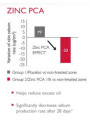
Zinc PCA
Rice Vitamin (Inositol, Vitamin B8)
MSH White™ (Undecylenoyl phenylalanine)
Coenzyme Q10 (98%, Powder, Oil-Soluble)
Rhamnose (rhamnose sugar)
Mild Preserved Eco™ (Preservative-Free)

4D Hyaluronic Acid