Cream Formulation Issues: Spoilage, Stability, and Ingredient Properties
Question
I made a cream formulation and encountered several issues. The cream changed color and developed a strong rotten egg smell. My formula contained many ingredients, including Yeast Resurface, Beta Glucan, Willow Bark Extract, Bisabolol, L-Carnitine, Safe-B3™ (Niacinamide), Double Hyaluron Liquid, Panthenol, Ceramide Complex, Glycerin, Sodium PCA, Rhamnose, Allantoin, and Disodium EDTA.
I used NaturePreserve™ at 1.3% as a preservative. I have several questions:
- Is 1.3% NaturePreserve™ sufficient for preservation in this type of complex formula?
- What could be the cause of the color change and the rotten egg smell?
- Which ingredients in my formula are beneficial for treating acne?
- I have dry skin but large pores on my nose. Which ingredients are suitable for pore tightening for dry skin? Is Vitamin B6 (not explicitly in the list above, but mentioned in the answer) suitable for this?
- I used Allantoin and Glycerin 4%. Will Glycerin 4% significantly increase the solubility of Allantoin?
- I weighed Disodium EDTA at 0.2% using a scale with 0.1g precision. Can this cause significant inaccuracy in the amount of Disodium EDTA?
Answer
Response to your cream formulation questions
Hello, thank you for sharing your detailed cream formulation and observations.
Regarding the issues you encountered:
- Color Change: As the staff mentioned, the color change is likely due to some ingredients degrading because the pH of the formula was not optimal for them. With such a large number of ingredients, finding a pH that suits all of them can be challenging. While this degradation affects the efficacy of the changed ingredients, other ingredients in the cream should still retain their properties.
- Spoilage and Bad Smell: The rotten egg smell you described is a strong indicator of microbial spoilage, likely bacterial contamination that produced sulfur compounds. While the staff suggested the color change wasn't due to microbes, the bad smell points towards actual spoilage. Given this, it is recommended to discard the current batch of cream. Using spoiled products can potentially irritate the skin. Even without visible mold or bacteria, a strong off-smell is a clear sign of spoilage.
- Preservation: You asked if NaturePreserve™ at 1.3% was sufficient. While 1.3% is within the typical usage range for some preservative blends, the effectiveness depends heavily on the specific formula (ingredients, water content, pH) and the microbial load introduced during mixing. A complex formula with many natural extracts like yours can be more challenging to preserve. The rotten egg smell suggests the preservation system was not effective enough in this specific formula.
For future formulations, especially complex ones, you might need a more robust preservation system or a higher concentration (within the recommended range) depending on the specific preservative blend. Gentle preservatives often include blends of Phenoxyethanol with Ethylhexylglycerin, or systems like Geogard 221 (Benzyl Alcohol, Dehydroacetic Acid) or Spectrastat (Caprylhydroxamic Acid, Caprylyl Glycol, Glycerin). Always check the supplier's recommended usage rate and pH range for the specific preservative you choose. Ensuring good hygiene during mixing is also crucial. - Ingredients for Acne: Based on the staff's response, the ingredients in your formula that can help with acne are:
- Yeast Resurface (Yeast Extract)
- Beta Glucan (Saccharomyces cerevisiae extract)
- Willow Bark Extract (Natural Salicylic Acid)
- Bisabolol (German Chamomile Extract)
- L-Carnitine
- Safe-B3™ (Vitamin B3, Niacinamide)
These ingredients offer benefits like exfoliation (Willow Bark, Yeast Extract), anti-inflammatory properties (Willow Bark, Bisabolol, Niacinamide, Beta Glucan), sebum regulation (L-Carnitine, Niacinamide), and supporting skin barrier (Niacinamide, Beta Glucan).
- Pore Tightening for Dry Skin: You mentioned having dry skin but large pores on your nose. As the staff noted, Vitamin B6 is more helpful for oily skin. For dry skin, improving hydration and overall skin health is key to making pores appear less prominent. Ingredients in your formula that support hydration and skin barrier function, which can indirectly help with pore appearance, include:
- Water
- Beta Glucan
- Double Hyaluron Liquid
- Panthenol (Pro Vitamin B5)
- Ceramide Complex
- Glycerin
- Sodium PCA
- Rhamnose
Additionally, Niacinamide (Safe-B3™) is known to help improve skin elasticity and reduce the appearance of pores, which can be beneficial for various skin types, including dry skin. Focusing on keeping your skin well-hydrated and healthy is the best approach for minimizing pore appearance when you have dry skin.
- Allantoin Solubility: You are correct that Glycerin at 4% will not significantly increase the solubility of Allantoin beyond its limit in water (around 0.5%). Allantoin has limited solubility in most common cosmetic solvents.
- Disodium EDTA Weighing: Small inaccuracies when weighing ingredients at very low percentages (like 0.2% Disodium EDTA) using a scale with 0.1g precision can lead to a relatively large percentage error in the amount of that specific ingredient. The staff's suggestion of pre-dissolving the ingredient in a larger amount of water is a good method to improve accuracy with such a scale. However, for future formulations, using a more precise scale (0.01g) would be ideal for accurately measuring small amounts of potent ingredients.
Given the spoilage indicated by the smell, it's best to discard this batch. For future attempts, consider simplifying your formula as suggested by the staff, measuring pH to ensure stability for your chosen ingredients, and potentially using a more robust or higher concentration of preservative suitable for your formula type and ingredients.
Related Products Mentioned
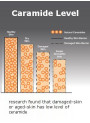
Ceramide Complex (CeraTouch™, Cream)
Safe-B3™ (Vitamin B3, Niacinamide)
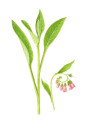
Allantoin
Disodium EDTA
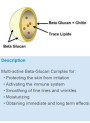
Double Hyaluron Liquid

Vitamin B6 (Pyridoxine Hydrochloride)
Luxury Cream Maker™