Cream Formulation Issues: Thinning with DMAE, Thickener Alternatives, pH, Whitening, and Acne Ingredients
Question
I am formulating a cream and have encountered some issues. Could you please provide advice on the following points?
1. I initially mixed all ingredients except DMAE, and the cream texture was good. However, after adding DMAE, the texture became very thin. Is the water content too high, or is there another reason for this?
2. I attempted to reformulate by replacing Light Cream Maker™ with `stearic acid 5%` and `EMULGADE 1000NI 4%`. This resulted in the desired thick cream texture suitable for a jar. If I want to use Light Cream Maker™ instead, what percentage should I use to achieve a similar thick consistency suitable for a jar, especially considering the presence of ingredients like DMAE? Also, are `stearic acid` and `EMULGADE 1000NI` safe for the skin?
3. Does this formula require pH adjustment? What is the optimal pH range for Vitamin B3 to function best?
4. Are there any additional ingredients or adjustments I should consider to enhance the whitening and acne reduction properties of this formula, focusing on achieving brighter skin and fewer breakouts?
Answer
Formulation Advice for Your Cream
Here are answers to your questions regarding your cream formulation:
1. Water Content and Thinning with DMAE
It's not necessarily that the water content is too high. DMAE is an electrolyte, and ingredients containing electrolytes can cause emulsifiers like Light Cream Maker™ to lose viscosity and thin out the cream. The initial cream was stable before adding DMAE because the electrolyte was not present yet.
2. Light Cream Maker™ Usage and Alternative Emulsifiers
- To achieve a thicker consistency suitable for a jar using Light Cream Maker™ in a formula containing electrolytes like DMAE, you would typically need to increase the concentration of Light Cream Maker™. Based on product information, using 2-3% Light Cream Maker™ is recommended in formulas with electrolytes to get a thicker cream texture.
- The alternative emulsifiers you used, Stearic Acid and Emulsifying Wax 1000 (equivalent to Emulgade 1000 NI), are commonly used and considered safe for skin in cosmetic formulations. Stearic Acid is a fatty acid used as a thickener and emulsifier, and Emulsifying Wax 1000 is a non-ionic emulsifying wax.
3. pH for Vitamin B3
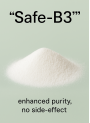
Your formula likely does not require pH adjustment if the pH falls within the effective range for Vitamin B3 (Niacinamide). The optimal pH range for Vitamin B3 (Safe-B3™) is 3-8, with the best efficacy typically seen between 4.0-7.0. You can check the pH of your final formula to ensure it is within this range.
4. Enhancing Whitening and Acne Reduction
Your current formula already includes ingredients beneficial for whitening and acne:
- Whitening: Vitamin B3 (Safe-B3™) and Glucosamine (GlucoBright™) work together to help brighten skin and reduce dark spots.
- Acne: Vitamin B3 (Safe-B3™) helps reduce oiliness, and Grape Seed Oil can help reduce clogged pores.
To further enhance these benefits, you could consider adding the following ingredients:
- For enhanced whitening:
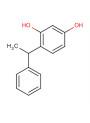
- Activated Resorcinol™ or Phenylethyl Resorcinol: These are potent whitening agents, significantly more effective than some traditional ingredients. They are oil-soluble and require careful formulation (pH 4-5, avoid certain ingredients, protect from light). Use at 0.1-1.0% (max 1.0% for leave-on).
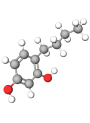
- Hexylresorcinol AF: A water-soluble option that also inhibits melanin production. Use at 1-3%.
- For enhanced acne reduction:
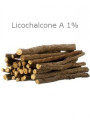
- Licorice Extract: Helps reduce inflammation, redness, and oiliness. Water-soluble, use at 0.5-3% (0.5-1.0% for acne/oiliness).
- Pep®-Acne: An anti-microbial peptide that kills acne-causing bacteria. Water-soluble, use at 5%.
- Actin AC: A comprehensive 5-in-1 anti-acne ingredient that helps regulate sebum, reduce inflammation, reduce PIH, regulate keratinization, and reduce bacteria. It is oil-soluble and sensitive to heat and high pH. Use at 2-4%.
When adding new ingredients, always consider their solubility, recommended usage rate, and compatibility with other ingredients in your formula, especially regarding pH and mixing method.
Related Products Mentioned
Safe-B3™ (Vitamin B3, Niacinamide)
GlucoBright™ (Acetyl Glucosamine)
Light Cream Maker™
Phenoxyethanol (Extra Pure)
DMAE (SkinTight MD™) Liquid
Actin AC (5-in-1 Anti-Acne)