Cream Formulation Issues: Undissolved Particles, Stickiness, Separation, and Mixing Methods
Question
I am making a cream formulation and have encountered several issues:
- Pro Polymer is not dissolving completely, remaining as swollen particles similar to sago seeds (both before and after adding to the formula).
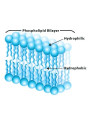
- When applying the cream, it feels like sand/scrub on the face, which I suspect is due to Phospholipid not dissolving in the oil phase.
- I need a method to help Pro Polymer dissolve completely without using heat, as some ingredients are heat-sensitive.
- The initial formula is sticky, likely due to Pro Polymer. I made a new 100g batch (Formula 2) by reducing Witch Hazel and adding Satin Cream Maker 0.6% instead, and reducing Pro Polymer to 0.2%. Can I use Light Cream Maker, Pro Polymer, and Satin Cream Maker together as cream makers/thickeners?
- In Formula 2, both Pro Polymer and Satin Cream Maker did not dissolve completely. If I use an overhead stirrer sold on your website, will it solve this problem? The product page for Satin Cream Maker says, "Do not stir over 2500 RPM as it can damage the polymer and reduce formula viscosity." What should I do, considering both using and not using an overhead stirrer?
- To reduce stickiness from the previous formulas and ensure Phospholipid dissolves, I made a new attempt without Vit E and Water Film, and dissolved Phospholipid in water instead of oil. It dissolved very well and was not gritty. I then mixed the two previously made formulas with this latest batch and added Ethoxydiglycol 10g. The smooth cream developed an abnormal texture, similar to hydrolyzed protein or suspended sediment, and separated when squeezed out. What caused this? Why did this happen? I want to be careful next time as I've used up a lot of ingredients.
Answer
Cosmetic Formulation Issues and Solutions
Based on the details you provided about your cream formulations and the issues encountered, along with the staff's feedback, here are explanations and recommended solutions:
Addressing Formula 1 Issues (i, ii, iii, iv)
You experienced issues with undissolved Pro Polymer and Phospholipid, resulting in a gritty texture and stickiness.
- Undissolved Pro Polymer and Phospholipid (i, ii): You are correct that the gritty texture likely comes from undissolved ingredients. Both Pro Polymer and Phospholipid require sufficient shear (mixing energy) to disperse and hydrate properly. Your initial use of a magnetic stirrer was likely insufficient.
- Dissolving Pro Polymer without Heat (iii): The Pro Polymer product description confirms it dissolves in water without needing heat. However, it requires slow stirring for 3-5 minutes or, if using glycerin or propylene glycol (like Butylene Glycol in your formula) at over 5%, mixing the Pro Polymer with the glycol first before adding to water. If using only water, it's recommended to sprinkle the powder slowly while stirring continuously, then let it sit for 1 day to fully hydrate before blending again for a smooth texture. Using a higher-shear mixer is key.
- Stickiness from Pro Polymer (iv): Pro Polymer is a gel maker that can create a viscous texture. Using it at 0.3% in your first formula, combined with other thickeners/gelling agents like Hydrogel and Natto Gum, likely contributed to the stickiness. Reducing the amount, as you did in your second formula (0.2%), is a good approach to decrease viscosity.
Addressing Formula 2 Questions (iv - sub-questions)
You modified your formula, reduced Witch Hazel and Pro Polymer, and added Satin Cream Maker. You asked about combining thickeners and using an overhead stirrer.
- Combining Light Cream Maker, Pro Polymer, and Satin Cream Maker (iv - sub-question 1): Yes, it is generally possible to use multiple thickeners and emulsifiers together in a formulation to achieve desired textures and stability. Light Cream Maker and Satin Cream Maker are both emulsifier/thickeners, while Pro Polymer is primarily a gel maker/thickener. However, each ingredient has specific compatibility requirements (e.g., pH range, electrolyte tolerance, mixing method). You must ensure all chosen ingredients are compatible with each other and the overall formula composition. The product descriptions for Light Cream Maker and Satin Cream Maker mention electrolyte tolerance, which is relevant given ingredients like Natto Gum.
- Using an Overhead Stirrer and Speed Limit (iv - sub-question 2):
- Overhead Stirrer: An overhead stirrer provides significantly higher shear than a magnetic stirrer, which is crucial for properly dispersing and dissolving ingredients like Pro Polymer and Satin Cream Maker, which are polymers. This should effectively address the issue of undissolved particles you encountered. The staff's recommendation to use an overhead stirrer is appropriate.
- Speed Limit: The warning on Satin Cream Maker about not exceeding 2500 RPM is important. High shear can indeed damage the polymer structure of these ingredients, leading to a loss of viscosity or destabilization of the emulsion. While overhead stirrers can reach high speeds, many allow for speed control. You should use the overhead stirrer at a speed sufficient for proper mixing and dissolution but stay below the recommended maximum speed for Satin Cream Maker (and Pro Polymer, which also has a similar caution). Follow the specific mixing instructions for each ingredient, ensuring adequate blending time at the appropriate speed.
Addressing Contamination (v)
Preventing contamination is crucial for product quality and safety, especially for products intended for sale.
- Preventing Contamination: The staff's advice on using a closed production environment is key. While a full clean room isn't necessary for small-scale production, minimizing airborne particles is important. Using an air purifier can help. Additionally:
- Work in a clean, dedicated area.
- Sanitize all equipment and containers thoroughly before use.
- Use high-quality, clean ingredients.
- Wear gloves, hairnets, and masks to prevent contamination from yourself.
- Filter liquid ingredients if necessary to remove any visible particles before adding them to the main batch.
- End-of-Process Solutions: If contamination occurs, especially visible particles or clumps, filtering the final product through a fine mesh or filter cloth can help remove them. However, this is a "ปลายเหตุ" (end-of-process) solution and doesn't address microbial contamination or prevent future issues. Good manufacturing practices are the best way to avoid contamination in the first place.
Addressing Issue with Mixing Batches and Ethoxydiglycol (vi)
Mixing previously made batches with a new one, especially with changes in ingredient incorporation (Phospholipid in water) and the addition of Ethoxydiglycol, likely caused the instability, separation, and unusual texture.
- Incompatibility and Destabilization: Mixing different batches with potentially varying ingredient dispersion and emulsion stability can lead to unpredictable results.
- Phospholipid Dispersion: While Phospholipid can be dispersed in water or oil, the product description emphasizes blending it into the final formula containing both water and oil phases for proper incorporation and function as a co-emulsifier/penetration enhancer. Dissolving it solely in water and then adding it to existing emulsions might not have allowed it to integrate correctly.
- Ethoxydiglycol Concentration and Solvent Effect: Ethoxydiglycol is a strong solvent and carrier. While useful, using it at a high concentration (10g in your batch) can disrupt the delicate balance of an emulsion, especially if the emulsifier system is already stressed (e.g., by mixing incompatible batches or improper ingredient incorporation). The staff's suggestion to reduce the concentration to 5% and incorporate it into the water phase is a standard method to minimize potential destabilization issues. The "hydrolyzed protein" appearance could be the result of ingredients (like the Hydrolyzed Silk Protein or even destabilized emulsifiers/polymers) aggregating due to the solvent effect and overall formula instability.
Recommendations for Future Formulations:
- Always follow the specific mixing instructions for each raw material, especially for polymers like Pro Polymer and emulsifiers like Light Cream Maker and Satin Cream Maker. Pay close attention to dispersion methods, temperature limits, and mixing speeds.
- Ensure you have adequate mixing equipment, such as an overhead stirrer, for ingredients requiring higher shear. Control the speed to avoid damaging polymers.
- When combining multiple thickeners/emulsifiers, verify their compatibility and consider starting with lower concentrations and adjusting as needed.
- Incorporate ingredients like Phospholipid and Ethoxydiglycol according to their recommended methods (e.g., dispersing Phospholipid into the combined water/oil phase with sufficient blending, adding Ethoxydiglycol to the water phase).
- Avoid mixing different batches of finished or semi-finished products unless the formulation and process are specifically designed for it. This often leads to instability.
- For commercial production, implement strict hygiene and manufacturing practices to prevent contamination.
It's understandable that you lost ingredients in the process. Formulation often involves trial and error. By understanding the properties of your ingredients and following recommended procedures, you can improve your success rate in future attempts.
Related Products Mentioned
Vitamin E (Tocopheryl Acetate)
Vitamin E (dl-alpha tocopherol)
Ethoxydiglycol (e.q. Transcutol)
Light Cream Maker™
Glycerin (USP/Food Grade)

Pro Polymer™ (Gel Maker)

Satin Cream Maker™

Soy Extract (Isoflavones / Genistein)
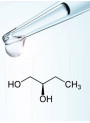
Butylene Glycol
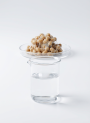
Natto Gum Extract
Hydro Gel (Biosaccharide Gum-1)

Hydrolyzed Silk Protein (Sericin)

Phenoxyethanol SA (eq. Optiphen Plus)
Mild Preserved Eco™ (Preservative-Free)

Water-Film™ (Galactoarabinan)
MOIST24