Cream Formulation: Mixing, Percentage Adjustment, and Non-Sticky Texture
Question
- Please provide the mixing method for this formula. Is heat required? 2. Should I adjust any percentages? 3. If I want the cream to absorb quickly and not feel sticky, which ingredients should I add?
The formula is as follows:
- Aqua 73.5%
- Beeswax 5 %
- C12-15 alkyl benzoate 5%
- Propylene Glycol 5%
- Cetearate-6 2%
- Glyceryl stearate 2%
- Paraffinum liquidum 2%
- Bisabolol 1%
- Ceteareth-25 1%
- sesamum indicum seed extract 1%
- Nephelium longana fruit extract 1%
- Menthol 1%
- Phenoxyethanol 0.5%
Answer
Cream Formulation Guide
Based on the ingredients in your formula, this is an oil-in-water (O/W) emulsion. You will need to use heat to properly combine the ingredients.
Mixing Method
- Prepare the Water Phase: Combine Aqua and Propylene Glycol in a heat-resistant container. Heat this phase to approximately 75°C.
- Prepare the Oil Phase: In a separate heat-resistant container, combine Beeswax, C12-15 alkyl benzoate, Glyceryl stearate, Paraffinum liquidum, Cetearate-6, Ceteareth-25, Bisabolol, Sesamum indicum seed extract, and Nephelium longana fruit extract. Heat this phase to approximately 75°C, ensuring all solid ingredients (waxes and solid emulsifiers) are fully melted and dissolved.
- Emulsification: Once both phases are at the same temperature (around 75°C), slowly add the oil phase to the water phase while stirring continuously. Use a homogenizer or stick blender for a few minutes to create a stable emulsion.
- Cooling: Continue stirring the mixture gently as it cools down.
- Add Heat-Sensitive Ingredients: When the emulsion has cooled to below 40-60°C (check the specific temperature requirements for your Menthol and Phenoxyethanol), add the Menthol and Phenoxyethanol. Menthol crystal can be difficult to dissolve and disperse evenly; consider using a liquid or encapsulated form like CoolTouch™ (Menthyl Lactate) or CoCool™ (Menthol+Menthyl Lactate) which are oil-soluble, or a water-dispersible option like Long-Cool™ (Encapsulated Menthol) or Water-Cool™ if preferred.
- Final Adjustments: Continue stirring until the cream reaches room temperature and the desired consistency.
Percentage Adjustments
Your current formula uses a combination of waxes, solid emulsifiers, and oils totaling around 17% of the formula (Beeswax 5%, C12-15 alkyl benzoate 5%, Glyceryl stearate 2%, Paraffinum liquidum 2%, Cetearate-6 2%, Ceteareth-25 1%). This is a typical percentage for a cream texture. The percentages of active ingredients like Bisabolol and the extracts are within common usage rates. Phenoxyethanol at 0.5% is a standard preservative level.
Whether you need to adjust percentages depends on the desired final texture and feel.
Achieving a Faster Absorbing, Non-Sticky Texture
To make the cream absorb faster and feel less sticky, you can modify the oil phase and potentially add texture modifiers:
- Reduce Heavy Oils: Paraffinum liquidum (Mineral Oil) can contribute to a heavier, more occlusive feel. Consider reducing its percentage or replacing it entirely.
- Increase Lighter Emollients: C12-15 alkyl benzoate (LipidSoft™ C1215) is already in your formula and is known for its non-oily feel and good spreadability. You could potentially increase its percentage while decreasing the Paraffinum liquidum. Other light, fast-absorbing emollients like LipidSoft™ Lite or LipidSoft™ Cyclo could also be considered as replacements or additions to the oil phase.
- Add Texture Modifiers: Ingredients that provide a dry, powdery, or silky finish can significantly reduce stickiness and improve the skin feel. Examples include:
- LipidSoft™ Matte
- Silica
- Certain types of modified starches (e.g., Corn Starch Modified)
- Polymers designed to improve sensory feel.
By adjusting the type and amount of emollients and potentially incorporating texture modifiers, you can create a cream that is less sticky and absorbs more quickly.
Related Products Mentioned
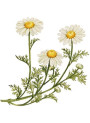
Natural Bisabolol (Brazil Chamomile)
Propylene Glycol (USP)
Phenoxyethanol (Extra Pure)
CoolTouch™ (Menthyl Lactate)
Ceteareth-25
LipidSoft™ Matte
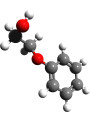
Phenoxyethanol P5