Cream Formulation: Mixing Procedure and Texture
Question
I have the following ingredients:
- Water
- Niacinamide
- Glycerin
- Glyceryl stearate
- PEG-100 Stearate
- mineral oil
- Cyclopentasiloxane
- Sodium Polyacrylate
- C13-14 Isoparaffin
- Laureth-7
- Squalene
- Propylene Glycol
- Kojic Acid Dipalmitate
- Titanium Dioxide
- Aluminium Hydroxide
- Stearic Acid
- Tocopheryl Acetate
- Methylparaben
- Propylparaben
- Fragrance
- Lactic Acid
- L-Glutathione
How should I mix these ingredients? Which parts should be separated, and how should I mix them? The desired cream texture should be white, easy to spread, and comfortable on the skin.
Answer
Based on the list of ingredients you provided, here is a general breakdown of the components and a typical method for making a cream. Please note that without the exact percentages of each ingredient, this is a general guide, and the specific process might need adjustments based on the quantities and the specific type of emulsifiers/thickeners used.
Here's a possible way to group the ingredients and a typical method:
Ingredient Grouping:
- Water Phase: Water, Glycerin, Propylene Glycol, Niacinamide, Lactic Acid, L-Glutathione. (Some of these, especially actives like Niacinamide, Lactic Acid, and L-Glutathione, are often added during the cooling phase).
- Oil Phase: Mineral oil, Cyclopentasiloxane, Squalene, Stearic Acid, Kojic Acid Dipalmitate, Tocopheryl Acetate. (Cyclopentasiloxane is volatile and should be added during cooling. Actives like Kojic Acid Dipalmitate and Tocopheryl Acetate are also often added during cooling for better stability).
- Emulsifiers & Thickeners: Glyceryl stearate, PEG-100 Stearate, Sodium Polyacrylate, C13-14 Isoparaffin, Laureth-7. (Glyceryl Stearate and PEG-100 Stearate are typically heated in the oil phase. The Sodium Polyacrylate/C13-14 Isoparaffin/Laureth-7 blend is often added during cooling or to the water phase to build viscosity and stabilize the emulsion).
- Color/Opacifier/UV: Titanium Dioxide, Aluminium Hydroxide. (These need to be well dispersed, often in a small amount of oil or water phase before combining).
- Preservatives: Methylparaben, Propylparaben. (Typically added during the cooling phase).
- Fragrance: Added during the cooling phase.
Typical Cream Making Method (Hot Process Emulsion with Cooling Phase Additions):
- Prepare Water Phase (Phase A): Combine Water, Glycerin, and Propylene Glycol in a heat-resistant container. Heat this phase to around 70-75°C.
- Prepare Oil Phase (Phase B): In a separate heat-resistant container, combine Mineral oil, Squalene, Stearic Acid, Glyceryl Stearate, and PEG-100 Stearate. Heat this phase to the same temperature as the water phase (70-75°C) until all solids are melted. If using Titanium Dioxide and Aluminium Hydroxide, disperse them thoroughly in a small amount of the oil phase or a separate dispersing medium before adding to Phase B.
- Emulsification: Slowly add the heated Oil Phase (B) to the heated Water Phase (A) while stirring continuously. Use a homogenizer or stick blender for a few minutes to create a stable emulsion. Maintain the temperature for a short period (e.g., 10-15 minutes) while stirring gently.
- Cooling Phase: Begin cooling the emulsion while continuing to stir. You can place the container in a cool water bath to speed up cooling.
- Add Cooling Phase Ingredients (Phase C): When the emulsion has cooled down to around 40-45°C, add the heat-sensitive ingredients: Niacinamide, Kojic Acid Dipalmitate, Tocopheryl Acetate, Cyclopentasiloxane, Methylparaben, Propylparaben, Lactic Acid, L-Glutathione, and Fragrance. Add the Sodium Polyacrylate/C13-14 Isoparaffin/Laureth-7 blend at this stage or as recommended by the supplier for that specific blend, mixing well to thicken the cream.
- Final Mixing: Continue stirring until the cream reaches room temperature and is uniform in texture.
- Adjust pH (Optional but Recommended): Check the pH of the final cream and adjust if necessary, especially with Lactic Acid present.
Important Notes:
- Percentages are Crucial: The exact proportions of each ingredient are critical for the stability, texture, and efficacy of the final cream. This general method assumes standard concentrations.
- Mixing: Proper mixing or homogenization during emulsification and cooling is essential to get a smooth, stable cream texture.
- Hygiene: Ensure all equipment and containers are clean and sanitized to prevent microbial contamination.
- Stability: The finished product should be tested for stability (e.g., separation, color change, viscosity change) over time and under different conditions.
This method should help you understand how these ingredients are typically combined to form a cream with a white, easy-to-spread texture.
Related Products Mentioned
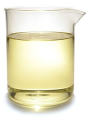
Vitamin E (Tocopheryl Acetate)
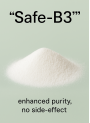
Safe-B3™ (Vitamin B3, Niacinamide)
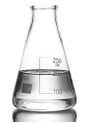
Propylene Glycol (USP)
Light Cream Maker™
Glycerin (USP/Food Grade)
Kojic Acid Dipalmitate
Glutathione (L-Glutathione) (Extrasol)
Squalene (Synthetic, For Lip Gloss)

Laureth-7