Cream Formulation Procedure and Ingredient Temperature Issues
Question
I want to mix this formula to get a slightly thick liquid cream texture.
Step 1: Mix Ezerrawax™ 3% + Phytosphingosine 1% + PPG-3 Myristyl Ether 3% + Cholesterol 2%. Blend until combined at 80°C. -> Result: Oil 1
Step 2: Mix water 59% + Ectoine (Ectoin) 2% + Panthenol (Pro Vitamin B5) 2% + Double Hyaluron Liquid 5% + Mild Preserved Eco™ (Ethylhexylglycerin) 1% + Safe-B3™ (Vitamin B3, Niacinamide) 5% + Glycerin 99.5% 7.5% + Glyceryl glucoside 2%. Blend until combined at 80°C. Add Oil 1 and blend at 1000 rpm. Add Phospholipid 0.5% and continue blending until homogeneous. Then reduce the temperature to 25°C and add Light Cream Maker™ 2% and Algae Oil 5%, then continue blending until homogeneous.
Can this formula be mixed? I'm not sure at what temperature Glyceryl glucoside and Algae Oil should be added.
Answer
Based on the ingredients and steps you've outlined, achieving a stable "slightly thick liquid cream" texture with this exact procedure might be challenging due to conflicting temperature requirements for some ingredients.
Here's an analysis of your proposed steps and answers to your specific questions:
Analysis of Your Proposed Formula and Procedure
Your formula includes a mix of ingredients with different solubility and temperature sensitivities.
Step 1 (Oil Phase 1): You propose mixing Ezerrawax™, Phytosphingosine, PPG-3 Myristyl Ether, and Cholesterol at 80°C.
- Ezerrawax™ melts around 70-80°C, which is suitable.
- Phytosphingosine can withstand heat up to 80°C.
- PPG-3 Myristyl Ether mixes in oil.
- Cholesterol has a very high melting point (around 150°C). Heating to only 80°C will not be sufficient to dissolve the Cholesterol properly in the oil phase. The product description for Cholesterol states it must be heated above 150°C to dissolve in oil.
Step 2 (Water Phase + Additions): You propose mixing several water-soluble ingredients at 80°C, then combining with the oil phase, adding Phospholipid, cooling, and finally adding Light Cream Maker™ and Algae Oil.
- Several water-soluble ingredients like Ectoine and Safe-B3™ can withstand 80°C, but prolonged heating is not ideal for some, like Panthenol.
- Glyceryl glucoside should be dissolved in water and can withstand heat up to 60°C. Heating it to 80°C is too high and may affect its properties.
- Mild Preserved Eco™ can withstand heat up to 80°C for no more than 5 minutes and should ideally be added in the last step when the formula is a gel or cream. Adding it at the beginning of the water phase heating at 80°C is not recommended.
- Phospholipid should be dispersed in water or oil at room temperature (no more than 40°C). It should not be heated above 40°C before dispersion, as this will cause clumping. Adding it at 80°C is incorrect. It is typically added during the cooling phase, below 40°C.
- Light Cream Maker™ is an emulsifier and thickener that works without heat. It is usually added to either the oil or water phase before combining them, and the emulsion forms upon mixing the two phases at room temperature. Using it in a hot process and adding it at the very end is not its intended method of use and may not create a stable emulsion or the desired texture.
- Algae Oil should avoid heat and be added at the last step if the recipe uses heat. Adding it at 25°C is appropriate for avoiding heat.
Answers to Your Specific Questions
Can this formula be mixed?
The formula can be mixed, but the proposed procedure has significant issues regarding ingredient temperatures and mixing steps, particularly for Cholesterol, Glyceryl glucoside, Phospholipid, Mild Preserved Eco™, and Light Cream Maker™. Following this exact procedure is unlikely to result in a stable, homogeneous cream with the desired texture.At what temperature should Glyceryl glucoside and Algae Oil be added?
- Glyceryl glucoside: Based on the product description, it should be dissolved in the water phase and can withstand heat up to 60°C. It should be added at or below this temperature.
- Algae Oil: Based on the product description, it should avoid heat and be added at the last step of the formulation process, during the cooling phase, ideally below 40°C.
To successfully create a cream with these ingredients, you would need to significantly revise the procedure to accommodate the different temperature requirements and the proper usage of the emulsifier (Light Cream Maker™) and Phospholipid. Handling Cholesterol's high melting point while protecting heat-sensitive ingredients requires a carefully planned multi-stage process.
Related Products Mentioned
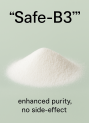
Safe-B3™ (Vitamin B3, Niacinamide)
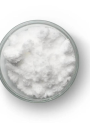
Light Cream Maker™
Glycerin (USP/Food Grade)
Double Hyaluron Liquid
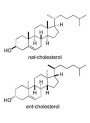
Cholesterol (95%, NF, Fine Powder)
Mild Preserved Eco™ (Preservative-Free)
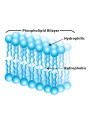
Phospholipid
Ectoine (Ectoin, from Bio-fermentation)
Ezerwax™
PPG-3 Myristyl Ether