Cream Formulation Process and Texture Questions
Question
I have a cream formulation with the following ingredients and percentages:
1. PiteraEx: 2%
2. snail: 8%
3. nag: 4%
4. ume: 3%
5. Saccharide Isomerate: 2%
6. Odor Kill: 1%
7. Niacinamide: 4%
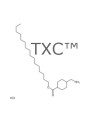
8. cetyl tranexamate: 3%
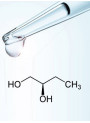
9. Butylene Glycol: 4%
10. Activated Resorcinol: 1%
11. MSH White: 2%
12. Cerasoft: 5%
13. lipidsolf F: 5%
14. Silymarin: 1%
15. dmi: 3%
16. Phenoxyethanol SA: 0.5%
17. Satin Cream Maker: 1%
18. Disodium EDTA: 0.2%
19. water: 50.3%
My proposed steps for mixing are as follows:
A. Dissolve cetyl tranexamate in Butylene Glycol.
B. Prepare ingredients 1 to 7 as the water phase, adding Disodium EDTA first.
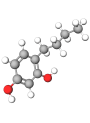
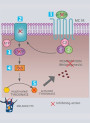
C. Mix MSH White with LipidSoft F and warm until clear, then mix with Cerasoft and Silymarin. Wait until cool, then add Activated Resorcinol.
D. Combine A and B, then add Satin Cream Maker.
E. Slowly add C to D.
F. Add DMI and Phenoxyethanol SA.
I have the following questions:
1. Are these steps correct? Are there any necessary modifications?
2. If I increase Cerasoft to 10%, will it increase the stickiness?
3. Do you have any additional mixing tips beyond these steps? Thank you.
Answer
Hello! Thank you for sharing your cream formulation and steps. Let's go through your questions.
Regarding the steps you provided:
- Step A (Dissolving in Glycol): Dissolving Cetyl Tranexamate in Butylene Glycol might work, but Cetyl Tranexamate is typically oil-soluble. It's more common to dissolve oil-soluble ingredients in the oil phase.
- Step B (Water Phase): Preparing ingredients 1-7 in the water phase and adding Disodium EDTA first is generally correct for water-soluble ingredients and chelating agents.
- Step C (Oil Phase): Mixing MSH White and LipidSoft F and heating is appropriate. Adding Cerasoft is also correct for the oil phase. However, Silymarin extract is often water-soluble; adding it to the oil phase might not be effective. Please check the specific type of Silymarin you have. Adding Activated Resorcinol after cooling is a good practice for heat-sensitive ingredients.
- Step D (Combining A+B and adding Emulsifier): This step's sequence is unusual. Typically, the emulsifier (Satin Cream Maker) is added to either the water phase or the oil phase before combining the two phases for emulsification. Adding it after combining A and B might not create a stable emulsion. Please check the specific instructions for Satin Cream Maker, as some specialized emulsifiers might have different procedures.
- Step E (Adding C to D): Slowly adding the oil phase (C) to the combined water/glycol phase (D) containing the emulsifier is a standard emulsification method, assuming phase D was prepared correctly in Step D.
- Step F (Adding DMI, Preservative): Adding DMI and Phenoxyethanol SA post-emulsification is correct.
In summary, while some steps are correct, the method for dissolving Cetyl Tranexamate and Silymarin, and especially the sequence of adding the emulsifier in Step D, seem potentially problematic based on standard formulation practices. It's highly recommended to check the specific instructions for Satin Cream Maker and the solubility of Silymarin and Cetyl Tranexamate.
Regarding increasing Cerasoft to 10%:
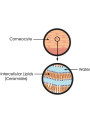
Cerasoft is a synthetic ceramide, which is a lipid. Increasing its concentration from 5% to 10% will significantly increase the lipid content of your cream. This will likely result in a richer, heavier texture and may increase the perceived stickiness or greasiness of the final product, depending on the overall formula and other ingredients.
Additional formulation tips:
- Check Ingredient Solubility and Compatibility: Ensure all ingredients are soluble or dispersible in the phase you are adding them to and are compatible with each other.
- Temperature Control: If using a hot-process emulsifier (check Satin Cream Maker instructions), ensure both water and oil phases are heated to the recommended temperature before combining. If it's a cold-process emulsifier, heating might only be needed for dissolving certain ingredients.
- Mixing: Use appropriate mixing speed and duration during emulsification to ensure a stable and homogeneous cream.
- pH Adjustment: Check and adjust the final pH of the cream after all ingredients are added (except potentially heat-sensitive ones added during cooling). Many active ingredients are pH-sensitive, and the final pH should be suitable for skin (typically 4.5-6.5).
- Stability Testing: Always perform stability tests on your final product to check for separation, changes in color, odor, or texture over time and under different temperature conditions.
Hope this helps with your cream making!
Related Products Mentioned
Safe-B3™ (Vitamin B3, Niacinamide)
Disodium EDTA

Satin Cream Maker™

MOIST72™
Butylene Glycol
MSH White™ (Undecylenoyl phenylalanine)

Phenoxyethanol SA (eq. Optiphen Plus)

LipidSoft™ F (Ethyl Linoleate)
Cerasoft™ (Synthetic Ceramide)
Dermal Respiratory Factor
Odor-Kill™