Cream Formulation Review Before Production
Question
Could you please review this formula? I plan to order production.
Sea Kelp Extract 3%
Rice Vitamin 2%
Jojoba Oil 5%
Pomegranate Seed Oil 5%
Safe-B3 4%
GlucoBright 4%
Alpha Arbutin 1%
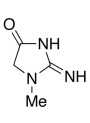
Cosmo White 1%
Sheep Placenta 2%
Witch Hazel Extract 10%
VersaMoist 3%
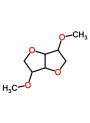
DMI 3%
Mild Preserved Eco 1%
Satin Cream Maker 1%
Water 55%
Do I need to adjust anything in the formula?
Answer
Formulation Review and Recommendations
Your formula combines several powerful ingredients:
- Moisturizing & Skin Barrier: Sea Kelp Extract, Rice Vitamin (Inositol), Jojoba Oil, Pomegranate Seed Oil, VersaMoist.
- Brightening & Tone: Safe-B3 (Niacinamide), GlucoBright (Acetyl Glucosamine), Alpha Arbutin, Cosmo White.
- Anti-Aging & Revitalizing: Sea Kelp Extract, Safe-B3, Sheep Placenta.
- Pore Appearance: Witch Hazel Extract.
- Penetration Enhancement: DMI, VersaMoist.
- Emulsification & Texture: Satin Cream Maker.
- Preservation: Mild Preserved Eco.
The concentrations you've chosen for most ingredients are within the typical or recommended ranges.
Here are some specific points and potential adjustments:
- Alpha Arbutin Concentration: You are using Alpha Arbutin at 1%. The product description suggests 0.2-2%, with 2% recommended for optimal whitening results. If enhanced brightening is a key goal, you might consider increasing Alpha Arbutin to 2%.
- Witch Hazel Extract Concentration: You are using Witch Hazel Extract at 10%. The description indicates a range of 10-100%, with over 50% often used in toners for significant pore tightening. While 10% will offer some astringent benefits, don't expect dramatic pore reduction at this concentration in a cream base. It's suitable for a general multi-benefit cream, however.
- Satin Cream Maker: You are using Satin Cream Maker at 1%. This emulsifier can handle up to 25% oil, and your formula has 10% oil (5% Jojoba Oil + 5% Pomegranate Seed Oil). 1% Satin Cream Maker should be sufficient to create a stable emulsion. If you desire a thicker cream texture, you could increase the Satin Cream Maker to 1.5% or 2%.
- pH Adjustment: This is a critical step. Many of your active ingredients require a specific pH range for stability and efficacy:
- Alpha Arbutin: pH 3.5-6.5 (must avoid pH > 8)
- Safe-B3 (Niacinamide): pH 3-8 (best 4-7)
- GlucoBright (Acetyl Glucosamine): pH 3-7
- Rice Vitamin (Inositol): pH 4-7
- Witch Hazel Extract: pH 3-5
- Mild Preserved Eco: pH 4-9
To ensure all these ingredients function correctly and remain stable, the final pH of your formulation should be adjusted to be within the pH 4.0-6.5 range. This is crucial, especially for Alpha Arbutin, which degrades at higher pH levels.
- Mixing Procedure (Heat Sensitivity): Several ingredients are sensitive to heat and should be added during the cooling phase of your formulation process:
- Alpha Arbutin: Add below 30°C.
- Witch Hazel Extract: Add below 40°C.
- Sea Kelp Extract: Avoid heat above 60°C.
- Sheep Placenta: Do not expose to heat, add in the final step.
- Safe-B3 & GlucoBright: Avoid heating for a long time.
Satin Cream Maker is a cold-process emulsifier, which is beneficial here. You should create your water phase and oil phase separately (heating the oil phase gently if needed to melt any solid components, though your oils are liquid at room temp), then combine them with the Satin Cream Maker in the water phase, and add the heat-sensitive active ingredients once the emulsion has formed and cooled down to below 30°C.
- Preservation: You are using Mild Preserved Eco at 1%. The description notes that for formulas with many natural ingredients or a high risk of contamination (like those containing extracts and animal-derived ingredients such as Sheep Placenta), a higher rate of 1.5-2% may be needed. Given the complexity and ingredients in your formula, increasing Mild Preserved Eco to 1.5% or even 2% is strongly recommended to ensure adequate microbial protection. A challenge test is essential to confirm the effectiveness of your chosen preservative system in the final formula.
- Penetration Enhancers: DMI and VersaMoist are included at 3% each. These will help improve the delivery of the various active ingredients into the skin, which is beneficial for a formula with multiple actives.
In summary, your formula has a good combination of ingredients. The main points to focus on are ensuring the final pH is correctly adjusted (ideally pH 4.0-6.5), adding heat-sensitive ingredients during the cooling phase, and potentially increasing the Mild Preserved Eco concentration to 1.5-2% after performing a challenge test to confirm efficacy.
Related Products Mentioned
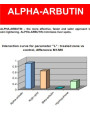
Alpha Arbutin (Switzerland)
Safe-B3™ (Vitamin B3, Niacinamide)

Sea Kelp Extract
Jojoba Oil (Golden - Deodorized)
GlucoBright™ (Acetyl Glucosamine)

Satin Cream Maker™
Rice Vitamin (Inositol, Vitamin B8)
Mild Preserved Eco™ (Preservative-Free)
Dimethyl Isosorbide (DMI)
CosmoWhite™ (1-Methylhydantoin-2-Imide)