Cream Formulation: Separation, Stability, and Ingredient Interaction (Light Cream Maker, Zinc PCA, FloraSolve)
Question
I was making a cream and initially added Light Cream Maker at 1%. After mixing, the cream didn't emulsify properly, so I added a bit more (around 0.5%-1.0%). This made the cream look better (like it was emulsifying), but it still wasn't fully emulsified.
Then, I added a little fragrance (which I mixed with "FloraSolve" first before adding). After mixing a bit more, the cream suddenly turned into a nice, smooth texture.
- Was this process incorrect?
- Can the cream still be used?
Answer
Analysis of Your Melasma Cream Formula and Mixing Experience
Thank you for sharing your formula and detailed experience. Let's analyze the formula and address your questions.
Formula Suitability for Melasma and Oily Skin with Blackheads
Your formula contains several excellent ingredients for addressing melasma and managing oily skin:
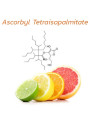
- For Melasma: Ingredients like Perfect-C (Ascorbyl Tetraisopalmitate), Activated Resorcinol (4-Butyl Resorcinol), Tranexamic Acid, Safe-B3 (Niacinamide), and GlucoBright (Acetyl Glucosamine) are well-known for their skin brightening and dark spot reducing properties. The combination of Niacinamide and Acetyl Glucosamine is particularly noted for its effectiveness in reducing hyperpigmentation.
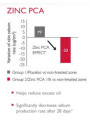
- For Oily Skin: Safe-B3 (Niacinamide) and Zinc PCA are included, which can help regulate sebum production and reduce oiliness.
- Other Beneficial Ingredients: D-Panthenol Care (Vitamin B5) is good for hydration and soothing, while EDTA helps with formula stability. Phenoxyethanol is a preservative. LipidSoft C1215 is an emollient.
While this formula is strong for melasma and includes oil control, as the staff mentioned, it may not be highly effective for directly treating blackheads. The emollient LipidSoft C1215, while a light ester, might still contribute to a feeling of richness that could be less ideal for very oily, blackhead-prone skin compared to a completely oil-free formula.
Mixing Issues and Cream Stability
It's understandable that you are concerned about the separation and subsequent re-emulsification.
- Initial Separation: The separation you observed overnight likely occurred because the initial amount of Light Cream Maker (1%) was insufficient to create a stable emulsion for your specific formula, especially considering the presence of Zinc PCA, which the Light Cream Maker description notes can soften the cream and require a higher percentage of the emulsifier.
- Adding Fragrance/FloraSolve: While FloraSolve is a solubilizer used to disperse oils (like fragrance) in water, it is not a primary emulsifier for creating a cream base. Its addition likely helped to temporarily re-disperse the separated oil and water phases, making the cream appear smooth again, but it doesn't fix the underlying instability caused by insufficient primary emulsifier.
- Usability: The cream appears smooth now, but because it separated initially, its long-term stability and shelf life are questionable. For personal use, you might test it cautiously, but it is not recommended for sale due to this instability issue.
Recommendation for Future Batches: To prevent separation, follow the staff's advice and start with a higher concentration of Light Cream Maker (1.5-2.0%) from the beginning, especially since your formula contains Zinc PCA. Ensure thorough mixing during the emulsification phase.
Addressing Blackheads
You asked about treating blackheads. Blackheads are open pores clogged with sebum and dead skin cells that oxidize and turn black. They are a type of acne lesion (comedone), similar to whiteheads (closed clogged pores).
- Treatment Ingredients: Effective ingredients for blackheads often focus on exfoliation and oil control. These include:
- Salicylic Acid (BHA): This oil-soluble exfoliant can penetrate into pores to help loosen and remove the clogs.
- AHAs (Alpha Hydroxy Acids) like Glycolic Acid or Lactic Acid: These exfoliate the skin surface, which can help prevent pores from becoming blocked.
- Retinoids (like Retinol): These help regulate skin cell turnover, preventing dead cells from accumulating and clogging pores.
- Comparison to Whiteheads: Blackheads and whiteheads are both treated with similar principles (exfoliation, preventing clogging), but Salicylic Acid is often considered particularly effective for blackheads due to its oil solubility.
- Prevention: Regular cleansing, gentle exfoliation, using non-comedogenic products, and managing oil production (which your current formula helps with via Niacinamide and Zinc PCA) are key to preventing blackheads.
To specifically target blackheads, you might consider adding a low concentration of Salicylic Acid to a separate product in your routine or formulating a dedicated blackhead treatment product.
FDA Registration (อย.)
Regarding selling your products, the most accurate information on FDA (อย.) registration requirements comes directly from the FDA. Generally, selling cosmetic products requires registration. It is best to contact them to understand the specific regulations based on your intended distribution method.
Related Products Mentioned
Safe-B3™ (Vitamin B3, Niacinamide)
GlucoBright™ (Acetyl Glucosamine)
Light Cream Maker™
Salicylic Acid (BHA, Pharma Grade)
Phenoxyethanol (Extra Pure)
Disodium EDTA
Zinc PCA
Glycopure™ (Glycolic Acid (AHA) Powder)
Tranexamic Acid (Trans-White™)