Cream Formulation: Thickening, Ingredient Compatibility, Mixing, and Texture Issues
Question
I have several questions regarding cream formulation:
- How can I thicken a cream formulation using
Satin Cream Maker, especially when incorporating natural oils likeMoringa Oil,Evening Primrose Oil,Jojoba Oil, andSweet Almond Oil? What alternative heavier oils or emollients can provide a thicker texture or better skin coating effect? - How can I identify a chelating agent? Is
Copper Peptidecompatible with a list of ingredients includingAloe Vera Extract,Cucumber Extract,Natural Betaine,Allantoin,Vitamin B5,Vitamin B12,MOIST72,WaterLock,Ceramide,Wakame Extract, andEvening Primrose Oil? - What are the correct mixing temperatures for emulsifiers, specifically differentiating between hot-process and cold-process types? When using a cold-process emulsifier like
Satin Cream Maker, how shouldCeramide 2(which requires around 70°C to dissolve) be incorporated? - Can
Natural Beeswaxbe used in a formula withSatin Cream Maker? If so, how does the process differ? If not, what are alternatives toBeeswaxfor achieving a thick, skin-coating texture similar to a butter cream when usingSatin Cream Makerwithout heat? - How can I measure the temperature for dissolving ingredients like
Ceramide 2in oil or glycol if I do not have an IR thermometer? - What is the effect of heating natural oils like
Evening Primrose OilandMoringa Oilto 70°C to dissolveCeramide 2? Are there better solvents forCeramide 2that can withstand this temperature? - Is the intense pink color observed when using 5%
Vitamin B12normal? How can the color intensity be reduced? - Is there a product link for a pre-made
Copper Peptide Serumformula? - What is the best way to clean laboratory equipment such as beakers, droppers, and stirring rods? Is standard dish soap sufficient, or is boiling water necessary?
- What causes pilling (
คราบไคล) in gel creams? Why does this issue not occur when usingSatin Cream Maker? - What is the effect of having too little distilled water in a formula? What are the general guidelines for the minimum water percentage in day and night creams?
Answer
Here are the answers to your questions about cream formulation:
Thickening Cream with Oils and Satin Cream Maker: The thickness of your cream when using Satin Cream Maker primarily depends on the amount of Satin Cream Maker used. Increasing its percentage by 0.5-1% can help thicken the texture. While the oils you listed (Moringa Oil, Evening Primrose Oil, Jojoba Oil, Sweet Almond Oil) are natural oils, their inherent viscosity doesn't significantly thicken the final cream texture compared to the emulsifier. For a thicker feel or better skin coating, you can consider using heavier synthetic oils like LipidSoft Film or LipidSoft Heavy, or heavier natural oils like Jojoba Oil or Olive Oil, in addition to adjusting the Satin Cream Maker concentration.
Identifying Chelating Agents and Copper Peptide Compatibility: A common chelating agent used to bind metal ions in water is Disodium EDTA. Regarding Copper Peptide compatibility with the list of ingredients you provided (Aloe Vera Extract, Cucumber Extract, Natural Betaine, Allantoin, Vitamin B5, Vitamin B12, MOIST72, WaterLock, Ceramide, Wakame Extract, Evening Primrose Oil), Copper Peptide can be sensitive to pH and certain ingredients. While a definitive compatibility check for every combination isn't possible without specific testing, the sample formula provided includes some water-soluble ingredients. Generally, maintaining the recommended pH range for Copper Peptide is crucial for stability and efficacy.
Mixing Temperatures for Emulsifiers and Ceramide 2: Your understanding is mostly correct. For emulsifiers requiring heat, both water and oil phases need to be heated to the specified temperature and mixed while hot. However, when using a cold-process emulsifier like Satin Cream Maker, you can heat Ceramide 2 (which requires around 70°C to dissolve) in a small amount of oil or glycol (like Butylene Glycol or Ethoxydiglycol) separately. Once dissolved, you can let this mixture cool down (below 40°C) before incorporating it into your main formula's oil phase. The exception is if the Ceramide 2 mixture re-solidifies upon cooling; in that case, it would need to be added while the main formula is warm enough to keep it dissolved.
Using Natural Beeswax with Satin Cream Maker: Natural Beeswax requires heat to melt and incorporate properly into a formula. While Satin Cream Maker can be used in a hot process, using beeswax would necessitate heating both your oil and water phases to a sufficient temperature (around 70°C or higher, depending on the wax's melting point) and mixing them while hot, similar to using a traditional hot-process emulsifier like Butter Cream Maker or Soft Cream Maker. If you want to avoid heat and achieve a thicker, skin-coating effect similar to a butter cream using Satin Cream Maker, you cannot use beeswax. Instead, consider using LipidSoft Film or other heavy emollients that are liquid at room temperature.
Measuring Temperature Without an IR Thermometer: If you don't have an IR thermometer, a simple technique for dissolving ingredients like Ceramide 2 in oil/glycol is to heat the mixture gently until you visually confirm that all the powder has completely dissolved. Once dissolved, remove from heat and let it cool before proceeding with your formulation steps. While not as precise as a thermometer, this visual check can work for simple dissolution steps.
Effect of Heat on Oils and Ceramide 2 Dissolution: Heating natural oils like Evening Primrose Oil and Moringa Oil to 70°C (the temperature needed to dissolve Ceramide 2) can potentially cause some degradation, as these oils are generally less heat-stable (Moringa Oil is noted to tolerate up to 60°C). It is recommended to dissolve Ceramide 2 in glycols (like Butylene Glycol or Ethoxydiglycol) instead, which can withstand the required temperature without degrading. Once Ceramide 2 is dissolved in the oil/glycol phase, letting it cool before mixing into the water phase is acceptable, provided the Ceramide 2 remains dissolved upon cooling.
Vitamin B12 Color Intensity: Yes, the intense pink color from using 5% Vitamin B12 is normal and inherent to the ingredient. The primary way to reduce the color intensity is to lower the percentage used. Using 1-2% Vitamin B12 typically results in a lighter pink shade.
Copper Peptide Serum Formula Link: A specific product page for a pre-made Copper Peptide Serum formula was not found, but a sample formula was provided:
- Distilled Water: 93%
- Hyaluronic Standard: 0.5%
- Hyaluronic Nano: 0.5%
- Copper Peptide: 3%
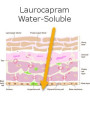
- Laurocapram: 2%
- Phenoxyethanol SA: 1%
(Note: This is a sample recipe, not a link to a product page).
Cleaning Lab Equipment: Washing beakers, droppers, and stirring rods with standard dish soap is generally effective for removing residues and is a common practice. Rinsing thoroughly with clean water afterwards is important to remove soap residue. Boiling water can also be used for sterilization but may not be sufficient on its own to remove oily or waxy residues. Washing with dish soap followed by thorough rinsing is usually sufficient for general formulation purposes.
Pilling in Gel Creams: Pilling (คราบไคล) in gel creams is often caused by the gel-forming polymer not being properly hydrated or dispersed during mixing, or by using an incorrect mixing speed or duration. It can also happen if too many ingredients are added that interfere with the gel structure. Following the specific mixing instructions for the gel thickener you are using, including the recommended mixing speed and time, is crucial to prevent pilling. The fact that you don't experience this issue with Satin Cream Maker (which creates a cream emulsion rather than a gel) suggests the issue is related to the gel-forming ingredients and their mixing process, not necessarily a normal characteristic of all gel textures.
Effect of Low Distilled Water Content: Having too little distilled water in a formula can lead to a sticky or heavy texture, making the product less pleasant to use. While there isn't a strict universal minimum percentage, general guidelines suggest that for a comfortable texture, day creams should ideally contain not less than 70% water, and night creams not less than 60% water. Furthermore, the amount of the oil phase in a formula is limited by the capacity of the emulsifier used. If the water percentage is too low relative to the oil percentage, you might exceed the emulsifier's capacity, potentially leading to formula separation.
Related Products Mentioned
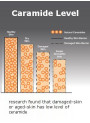
Ceramide Complex (CeraTouch™, Cream)
Allantoin
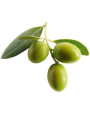
Olive Oil (Extra Virgin)
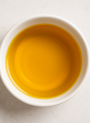
Jojoba Oil (Golden - Deodorized)
Ethoxydiglycol (e.q. Transcutol)
Natural Betaine (Crystal)
Disodium EDTA
Cucumber Extract (France)

Satin Cream Maker™
MOIST72™
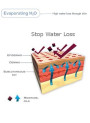
WaterLock™ (Polyquaternium-51)
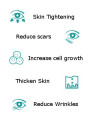
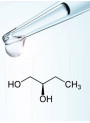
Butylene Glycol
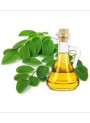
Moringa Oil (Refined)
Soft Cream Maker™
Purified Water, TDS Limit 1PPM)

Phenoxyethanol SA (eq. Optiphen Plus)
Butter Cream Maker™
Wakame Extract (Brown Sea Weed)
Laurocapram (Water Soluble)
LipidSoft™ Film (Tridecyl Trimellitate )
