Cream Formulation: Warming Sensation from Humectants & pH Adjustment
Question
I made a cream using ingredients including Propylene Glycol (20%), Ethoxydiglycol (20%), Light Cream Maker™, Pep®-Coll, Matrixyl™ 3000, DMAE Bitartrate, Rose Hip Oil, Delentigo, MOIST72™, Panthenol (Vitamin B5), and Cyclomethicone / Cyclopentasiloxane. When applied, the cream causes a warming sensation. How can I fix the existing batch, prevent this in future formulations, and what is the appropriate pH range for this cream?
Answer
Cream Formulation and Warming Sensation
The warming sensation you are experiencing with your cream is likely due to the high concentrations of Propylene Glycol and Ethoxydiglycol (20% each) in your formula. As the staff mentioned, these ingredients are humectants, and at high levels, they can create a warming feeling on the skin as they attract and interact with moisture. While this sensation can be uncomfortable, it doesn't necessarily indicate skin irritation like stinging or redness.
pH Adjustment
Regarding your question about pH adjustment, while the warming is caused by the humectants and not pH, checking and adjusting the pH of your cream is still a very important step in cosmetic formulation. The pH level affects:
- Product Stability: Ensures the cream remains stable over time.
- Ingredient Efficacy: Many active ingredients, especially peptides like Pep®-Coll and Matrixyl™ 3000, and vitamins like Panthenol (Vitamin B5), work best within a specific pH range.
- Skin Compatibility: Healthy skin has a slightly acidic pH (around 4.5-5.5). Formulating your cream within a skin-compatible range, typically pH 4.5 to 6.5 for face creams, helps maintain the skin's natural barrier and reduces the potential for irritation.
Therefore, it is highly recommended to check the pH of your cream using a pH meter or pH strips and adjust it to be within the 4.5-6.5 range if necessary.
Addressing the Existing Cream
For the cream you have already made, as the staff suggested, the primary way to potentially reduce the warming effect is by diluting the formula with more water. However, be aware that this will also dilute the concentration of all the beneficial ingredients you included, such as Pep®-Coll, Matrixyl™ 3000, Rose Hip Oil, Delentigo, MOIST72™, and Panthenol, which may lessen their intended effects.
Future Formulations
To avoid the warming sensation in future batches, follow the staff's advice and reduce the concentration of Propylene Glycol and Ethoxydiglycol to no more than 5% each. You can still achieve good hydration and solvent properties at lower percentages.
Your formula includes several beneficial ingredients:
- Light Cream Maker™: An emulsifier and thickener.
- Pep®-Coll and Matrixyl™ 3000: Peptides known for their anti-aging and collagen-stimulating properties.
- DMAE Bitartrate: Often used for firming effects.
- Rose Hip Oil: A nourishing oil rich in fatty acids, known for skin repair and moisturizing.
- Delentigo: An ingredient typically used for addressing age spots and pigmentation.
- MOIST72™: A long-lasting moisturizing complex.
- Panthenol (Vitamin B5): Known for its moisturizing, soothing, and skin barrier support properties.
- Cyclomethicone / Cyclopentasiloxane: Silicones that provide a light, smooth feel and can help with ingredient delivery.
By adjusting the levels of the humectants and ensuring the pH is within the optimal range, your future creams should be more comfortable to use while still delivering the benefits of these active ingredients.
Related Products Mentioned
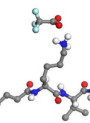
Pep®-Coll (Palmitoyl tripeptide-5)

Pal-GHK, Pal-GQPR (eq Matrixyl 3000)
Ethoxydiglycol (e.q. Transcutol)
Propylene Glycol (USP)
Light Cream Maker™

MOIST72™