Cream Formulation with Glycolic Acid: Compatibility and Texture Issues
Question
I have a cream formulation with the following ingredients:
- Mineral Oil 5%
- Kojic Acid Dipalmitate 3%
- Tranexamic Acid 3%
- Vitamin B3 (Niacinamide) 4%
- N-Acetyl-D-glucosamine 4%
- Glycolic Acid (AHA) 5%
- Natto Gum 5%
- Light Cream Maker 1%
- Phenoxyethanol 1%
- Water 72%
Are all these ingredients compatible? I am concerned about potential issues, especially with the inclusion of Glycolic Acid, and how it might affect the texture when using Light Cream Maker. What is the recommended mixing procedure, and are there alternative thickeners or emulsifiers that would work better in this acidic formulation?
Answer
Cream Formulation Review
Thank you for submitting your cream formulation for review. Your formula aims for skin whitening, exfoliation, and moisturization using the following ingredients:
- Mineral Oil (5%)
- Kojic Acid Dipalmitate (3%)
- Tranexamic Acid (3%)
- Vitamin B3 (Niacinamide) (4%)
- N-Acetyl-D-glucosamine (4%)
- Glycolic Acid (AHA) (5%)
- Natto Gum (5%)
- Light Cream Maker (1%)
- Phenoxyethanol (1%)
- Water (72%)
Based on the staff's response, the ingredients in your formula are compatible with each other.
- Whitening: Kojic Acid Dipalmitate, Tranexamic Acid, Niacinamide, and N-Acetyl-D-glucosamine are known for their skin brightening and whitening properties.
- Exfoliation: Glycolic Acid is an Alpha Hydroxy Acid (AHA) that helps exfoliate the skin, promoting cell turnover.
- Moisturization: Mineral Oil and Natto Gum can contribute to skin moisturization and a smooth feel.
However, the staff noted that formulating with Glycolic Acid can be challenging, especially when using Light Cream Maker, due to its acidic nature which can affect the cream's texture.
The staff provided helpful recommendations:
- For easier formulation, you might consider replacing Glycolic Acid with a less acidic exfoliant like PumpkinRenew.
- If you wish to keep Glycolic Acid in the formula, it is recommended to use a different emulsifier/thickener that is more stable in acidic conditions, such as Pro Polymer (Acrylate Crosspolymer) or Butter Cream Maker (if you have a blender and can use heat).
- Specific mixing instructions were provided for using Glycolic Acid with Pro Polymer, involving mixing water-soluble ingredients (except Glycolic Acid) with Pro Polymer to form a gel, adding the oil phase, and then gradually adding the pre-mixed Glycolic Acid/water solution while potentially adding more Pro Polymer if the texture thins out.
In summary, your formula contains compatible ingredients that address your goals. However, the inclusion of Glycolic Acid requires careful formulation, and the staff's suggestions for alternative ingredients or emulsifiers can help achieve a stable cream texture.
Related Products Mentioned
Safe-B3™ (Vitamin B3, Niacinamide)
GlucoBright™ (Acetyl Glucosamine)
Light Cream Maker™
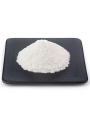
Kojic Acid Dipalmitate
Phenoxyethanol (Extra Pure)
Pro Polymer™ (Gel Maker)

Trans-White™
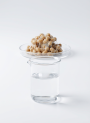
Natto Gum Extract
Glycopure™ (Glycolic Acid (AHA) Powder)
Purified Water, TDS Limit 1PPM)