Cream Formulation with Luxury Cream Maker and Silicones: Texture and Mixing Method
Asked by: jn_andy
On: September 08, 2015
Product Type:
Cosmetics
Answered
Question
I am developing a cream formulation using Luxury Cream Maker and various silicones. I have the following formula:
- Luxury Cream Maker: 1.5%
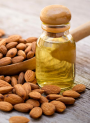
- Sweet Almond Oil: 5%
- SiliSilk: 2%
- Cyclomethicone: 5%
- Dimethicone: 5%
- Water: 81.5%
- Preservative: 1%
My proposed mixing method is to mix the silicones into the Luxury Cream Maker in water. I have a few questions:
- Will this formula, particularly with 1.5% Luxury Cream Maker, yield a smooth cream texture?
- Are the percentages of the silicones (SiliSilk 2%, Cyclomethicone 5%, Dimethicone 5%) appropriate for achieving a very smooth feel? What is the specific role of each silicone in contributing to the texture?
- Is my proposed mixing method (mixing silicones into Luxury Cream Maker in water) acceptable, or is there a better approach, especially considering the presence of oils?
Answer
Based on the staff's response:
- Texture: Yes, this formula should provide a smooth feel due to the silicones. For a thicker cream texture, the percentage of Luxury Cream Maker should be increased to 3-5%. At 1.5%, it might not be very thick.
- Silicone Percentages: The silicone percentages are suitable for achieving a very smooth feel. SiliSilk contributes a clear feel (noticeable from 1-2%), Cyclomethicone adds slipperiness (from 3-5%), and Dimethicone adds weight to the cream. The current levels are within or above the ranges where their effects are noticeable, suggesting a significantly smooth texture.
- Method: Your proposed method (mixing silicones into Luxury Cream Maker in water) is acceptable. The staff also suggested an alternative method: mixing Luxury Cream Maker with the oil/silicone phase first (Sweet Almond Oil + SiliSilk + Cyclomethicone + Dimethicone), potentially with gentle warming, before gradually adding the water. This alternative method can help Luxury Cream Maker dissolve and emulsify more easily, especially when oils are present.