Cream Formulation with Multiple Actives: Soy Lecithin & Base Ingredients
Question
I am formulating a cream using the following active ingredients, totaling 31.4% of the formula:
- Ume Extract
- Azelaic Acid (Liquid Azelaic™)
- Soy Extract
- ODA-White Plus™
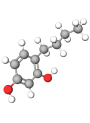
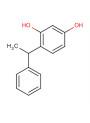
- Phenylethyl Resorcinol (Sym-White)
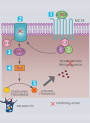
- MSH White™
- Activated Resorcinol™
- Vitamin B6
- Disodium EDTA
I would like to know:
- Can Soy Lecithin be used as an emulsifier for this cream formulation?
- Do I need to add other base ingredients like water and oil, or are the listed active ingredients sufficient to form a cream?
- What other ingredients are necessary for a stable and effective cream?
Answer
Cream Formulation Guidance
You're looking to create a cream using several active ingredients and want to know about using Soy Lecithin as an emulsifier and if other base ingredients are needed.
Here's a breakdown based on your ingredients:
Using Soy Lecithin as an Emulsifier
Yes, Soy Lecithin can be used as an emulsifier to create a cream. There are different forms available, such as liquid Soy Lecithin or powdered forms like LeciCream™. Soy Lecithin typically creates water-in-oil (W/O) emulsions, which tend to be richer creams.
- Soy Lecithin (Liquid): This type (like Soy Lecithin (Soy Bean Oil, Liquid Lecithin)) is a water-in-oil emulsifier but does not provide much thickness on its own. You would need to add a separate thickener like Xanthan Gum to achieve a cream consistency. It's usually dissolved in the oil phase with heat.
- LeciCream™: This is a natural emulsifier made from Hydrogenated Lecithin (like LeciCream™ (Natural Emulsifier / Cream Maker)) suitable for heavier creams. It's a powder that is dispersed in the oil phase.
- LecithinGel™: This product (like LecithinGel™) is a blend that acts as a water-oil binder and thickener, creating a creamy texture. It's dispersed in water.
Your choice of lecithin product will affect the mixing method and the final texture.
Essential Base Ingredients (Water and Oil)
To form a cream emulsion, you absolutely need both a water phase and an oil phase. Your listed ingredients are primarily active components. The percentages you provided (totaling 31.4%) are for these actives. The remaining percentage of your formula will consist of the base, including:
- Purified Water: This forms the water phase. Use distilled or deionized water.
- Oils/Emollients: These form the oil phase. The type and amount of oil will influence the feel and richness of the cream.
You will need to determine the proportions of your water and oil phases based on the desired cream consistency and the requirements of your chosen emulsifier.
Other Necessary Ingredients
Beyond the water and oil phases and your chosen emulsifier, a stable and effective cream formulation will require additional ingredients:
- Thickener/Stabilizer: As mentioned, some lecithin types require a thickener (like Xanthan Gum) to achieve a stable cream viscosity. Other ingredients like Activated Resorcinol™ also benefit from stabilizers (like Pro Polymer or AnyGel mentioned in its description).
- Preservative: To prevent bacterial and fungal growth, especially given the high water content and natural extracts (Ume Extract, Soy Extract).
- pH Adjuster: To set the final pH of the cream. This is crucial because your active ingredients have different optimal pH ranges for stability and efficacy:
- Azelaic Acid (Liquid Azelaic™): pH 5-11
- Soy Extract: pH 5-7
- Phenylethyl Resorcinol (Sym-White): pH 4-5
- Activated Resorcinol™: pH 4.5-5.5
- Vitamin B6: Stable at pH 2-6, but it lowers formula pH.
- Disodium EDTA: pH 3-9
Finding a single pH that is optimal for all these ingredients is challenging. A target pH around 5-5.5 might be a compromise, but stability testing is highly recommended.
- Chelating Agent: You have included Disodium EDTA at 0.2%, which is appropriate. It helps improve stability by binding metal ions in the water.
- Antioxidant/Stabilizer: Several of your ingredients (Activated Resorcinol™, Phenylethyl Resorcinol (Sym-White), MSH White™, Vitamin B6) are sensitive to light, heat, or oxidation and can cause discoloration. While Disodium EDTA helps, adding an antioxidant like ActiveProtec™ OX (mentioned in some ingredient descriptions) could further improve stability and prevent color changes.
Formulation Complexity
This formulation is quite complex due to the high concentration and diverse requirements of the active ingredients. You have ingredients that are water-soluble (Ume Extract, Azelaic Acid (Liquid Azelaic™), Soy Extract, Vitamin B6, Disodium EDTA) and oil-soluble (ODA-White Plus™, Phenylethyl Resorcinol (Sym-White), MSH White™, Activated Resorcinol™).
A typical approach would involve:
- Preparing the water phase (water, water-soluble actives, Disodium EDTA, Vitamin B6 - added carefully to avoid heat).
- Preparing the oil phase (oil, oil-soluble actives - some may need gentle heating to dissolve, like MSH White™, Activated Resorcinol™, Phenylethyl Resorcinol (Sym-White)).
- Combining the phases with the emulsifier (according to the specific emulsifier's instructions - some require hot process, some cold).
- Cooling the emulsion.
- Adding heat-sensitive ingredients (like Soy Extract, Azelaic Acid (Liquid Azelaic™) if not added earlier, and potentially Phenylethyl Resorcinol (Sym-White)/Activated Resorcinol™ if added in the cool-down phase).
- Adding thickeners and preservatives.
- Adjusting the pH to the target range (likely around 5-5.5).
Given the conflicting pH requirements and the sensitivity of several ingredients, achieving a stable and effective final product will require careful formulation, precise pH adjustment, and likely stability testing over time.
In summary, you will need to add purified water and an oil phase to your ingredients, along with a thickener, preservative, and pH adjuster. The specific mixing method will depend on the type of Soy Lecithin emulsifier you choose and the solubility/stability requirements of all your active ingredients. This is an advanced formulation.
Related Products Mentioned
Disodium EDTA

Soy Extract (Isoflavones / Genistein)
Vitamin B6 (Pyridoxine Hydrochloride)
MSH White™ (Undecylenoyl phenylalanine)

ODA-White Plus™