Cream Lumping in Hot Process: Role of Emulsifiers
Question
I am making a cream using the hot process method with the following ingredients:
- Water (70%)
- Olive oil (5%)
- Cetyl alcohol
- Glyceryl stearate
- Vitamin B3
- Vitamin B5
- Natural Moisturizing Amino Acids
- Aloe vera
When I combine the hot oil phase (containing Olive oil, Cetyl alcohol, and Glyceryl stearate) with the hot water phase (containing Water, Vitamin B3, Vitamin B5, and Natural Moisturizing Amino Acids), the mixture becomes lumpy instead of forming a smooth cream. My current workaround is to reheat the combined mixture until it becomes liquid again, then stir it vigorously while cooling in a cold water bath, but this is difficult and time-consuming.
- What is the likely cause of this lumping issue?
- How can I prevent the lumping and achieve a smooth, stable cream texture using the hot process?
- Can liquid ingredients, such as Aloe vera, be added to the cream after it has cooled down?
Answer
Cream Formulation Issue: Lumping of Cetyl Alcohol and Glyceryl Stearate
Based on your formula and description, the issue of lumping when combining the oil phase (containing Cetyl alcohol and Glyceryl stearate) with the water phase is likely due to the absence of a primary emulsifier in your formulation.
Cetyl alcohol and Glyceryl stearate are excellent thickeners and stabilizers, often referred to as co-emulsifiers. However, they cannot effectively create and maintain an emulsion (a stable mixture of oil and water) on their own, especially with a significant amount of water and oil like in your formula (70% water, 5% olive oil, plus the waxy ingredients).
When you pour the hot oil phase into the water phase without a primary emulsifier, the oil and water molecules repel each other. The melted waxes (Cetyl alcohol and Glyceryl stearate) solidify rapidly upon contact with the cooler water, trapping some oil within them and forming lumps instead of dispersing evenly throughout the water phase to create a smooth cream.
Your current solution of reheating the combined mixture and stirring is essentially forcing the emulsification process to happen, but it's less efficient and might require prolonged heating.
Recommended Solution: Add a Primary Emulsifier
To achieve a stable and smooth cream texture using the hot process method, you need to include a primary emulsifier in your oil phase. A common and effective emulsifier system that works well with Cetyl alcohol and Glyceryl stearate is Glyceryl Stearate and PEG-100 Stearate.
This emulsifier system has a suitable HLB (Hydrophilic-Lipophilic Balance) value to help bind the oil and water phases together effectively when heated and mixed properly.
Revised Hot Process Method
Here is a suggested method incorporating a primary emulsifier:
- Prepare Water Phase: Combine water, Vitamin B3, Vitamin B5, and Natural Moisturizing Amino Acids. Heat this phase to approximately 70-80°C.
- Prepare Oil Phase: Combine Olive oil, Cetyl alcohol, Glyceryl stearate, and the primary emulsifier (e.g., Glyceryl Stearate and PEG-100 Stearate). Heat this phase separately to the same temperature (around 70-80°C) until all solid ingredients are completely melted and the phase is clear.
- Combine and Emulsify: Slowly pour the hot oil phase into the hot water phase while stirring continuously and vigorously. Use a whisk, stick blender, or homogenizer for best results. Maintain the temperature (70-80°C) and continue stirring for 10-15 minutes to ensure a stable emulsion forms. You will see the mixture thicken and turn into a uniform, milky-white cream.
- Cooling Phase: Remove the mixture from heat and continue stirring gently while it cools down. Stirring during cooling helps the cream thicken evenly and prevents separation.
- Add Heat-Sensitive Ingredients: If you have any other heat-sensitive ingredients (like certain extracts or fragrances), add them during the cooling phase once the temperature drops below 40°C.
- Final Adjustments: Once the cream is completely cool, you can check the texture and add a preservative if you haven't already included one in the water phase.
Regarding your concern about Vitamin B3 and B5, as discussed, these vitamins are generally stable enough to withstand the short period at 70-80°C required for hot process emulsification. Adding liquid ingredients like Aloe vera after the cream has cooled is perfectly fine and recommended if the ingredient is heat-sensitive.
By adding a primary emulsifier like Glyceryl Stearate and PEG-100 Stearate and following the hot process method with proper heating and mixing during the combining phase, you should be able to achieve a smooth, stable cream without the lumping issue.
Related Products Mentioned
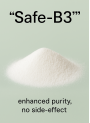
Safe-B3™ (Vitamin B3, Niacinamide)
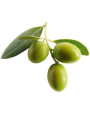
Olive Oil (Extra Virgin)