Cream Mixing Technique and Equipment Recommendations
Asked by: maneenate_2015
On: November 26, 2015
Product Type:
Cosmetics
Answered
Question
When mixing cream using a mixing blade and drill, I have several questions:
- Why is it necessary to keep the mixing blade still?
- If I move the beaker around to allow the blade to circulate throughout the cream, would this not speed up the cream formation process?
- If the mixing blade hits the beaker during mixing, could the beaker break?
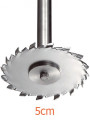
- For a 3cm mixing head, what is the minimum volume of cream or gel required for effective mixing?
- How deep should the impeller-type mixing head be submerged from the surface of the cream?
- What is the appropriate distance from the edge of the beaker?
- Can a mixer like the Russell Hobbs 19420-56 be used with the mixing heads sold by MySkinRecipes? Can this machine lock the mixing head securely, or is a drill the only option?
Answer
Subject: Cream Mixer Recommendation
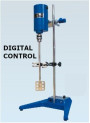
Regarding your issue with cream texture when mixing manually, leading to pilling, MySkinRecipes staff recommends using a standard drill with a compatible stainless steel mixing blade.
This approach is a cost-effective alternative to large overhead stirrers.
Key points from the staff's advice:
- Recommended Equipment: A standard drill (with a recommended wattage of 300W or more) and a stainless steel mixing blade sold by MySkinRecipes.
- Mixing Capacity: Suitable for mixing up to 1kg of cream.
- Mixing Time: Typically around 3 minutes is sufficient for mixing cream.
- Technique: The blade does not need to be perfectly stationary; you can move it around. However, you must hold the drill and the container (like a beaker) steady to prevent the blade from hitting the container and causing damage. This might require more than one person for larger quantities.
- Blade Size: The mixing blade size should be approximately 70% of the container's diameter.
- Blade Depth: The blade should be submerged close to the bottom of the container, leaving about 1cm clearance.
- Alternative Mixers: Other types of handheld mixers (like the Russell Hobbs model mentioned) are generally not recommended due to potential issues with motor power and chuck compatibility; a drill is considered more reliable.
This method provides sufficient power for effective mixing for personal use or small batches, with the main consideration being the need to manually hold the equipment steady during operation.