Cream Pilling and Inconsistent Absorption
Question
My cream formulation sometimes absorbs well into the skin, but other times it doesn't absorb well and pills up like dead skin when rubbed. Why does this inconsistency happen?
The ingredients and their percentages in the formula are as follows:
- น้ำมันมะรุม (Moringa Oil) 2 %
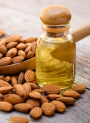
- น้ำมันสวีทอัลมอนด์ (Sweet Almond Oil) 2 %
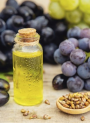
- น้ำมันองุ่น (Grape Seed Oil) 1 %
- Luxury Cream Maker 5 %
- ซิลิโคน (Silicone) 2 %
- Cyclomethicone 5 %
- สารสกัดใบบัวบก (Madecassoside Centella Asiatica Extract) 1 %
- Acne Bee 0.5 %
- German Chamomile 1 %
- Oat 1 %
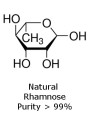
- Rhamnose 3 %
- EDTA 0.2 %
- Willow Bark (Natural Salicylic Acid) 3 %
- SAP 1 %
- น้ำหอม (Fragrance) 0.5 %
- Microcare 1 %
- Ethoxydiglycol 2 %
- น้ำ sterile water 68.5 %
Please advise.
Answer
Why Does Cream Sometimes Absorb Well and Sometimes Pill?
It's common for a cream formulation to behave differently depending on various factors, even with the same formula. The issue of pilling, where the cream rubs off like dead skin, is often related to the interaction of ingredients and how the product is applied.
Based on your formula, here are some potential reasons why you might be experiencing inconsistent absorption and pilling:
Polymer-based Emulsifier/Thickener: Your formula uses Luxury Cream Maker, which is a polymer-based emulsifier and thickener. Ingredients like these form a network or film on the skin. While they are essential for creating the cream's texture, if the film is too strong, or if the ingredient isn't fully hydrated or compatible with other components, it can lead to pilling, especially when rubbed excessively.
Silicone Content: The formula contains both a general Silicone at 2% and Cyclomethicone at 5%. Silicones provide a smooth feel and can improve spreadability. However, in some formulations, particularly those with certain polymers, a high level of silicones can sometimes contribute to pilling if they aren't perfectly compatible or if the volatile silicone (Cyclomethicone) evaporates too quickly, leaving behind other ingredients that pill.
Ingredient Interactions: The combination of various ingredients, including the emulsifier, silicones, Rhamnose (a sugar), and the different extracts (Centella Asiatica, Willow Bark, Oat, Acne Bee, German Chamomile), can sometimes lead to complex interactions. Certain combinations of polymers, gums, and extracts can increase the likelihood of pilling.
Application Method: How the cream is applied makes a big difference. Rubbing the cream too much or too vigorously can cause ingredients that form a film on the skin to roll up and pill. Applying the cream over other skincare products that haven't fully absorbed or that contain incompatible ingredients can also cause pilling.
Skin Condition: The condition of the skin can also play a role. Applying cream to very dry skin or skin with accumulated dead skin cells can sometimes make pilling more noticeable.
To minimize pilling, you could try:
- Applying the cream with gentle patting motions rather than vigorous rubbing.
- Ensuring any previous skincare products are fully absorbed before applying the cream.
- Adjusting the percentage of Luxury Cream Maker or silicones slightly (this requires careful testing).
- Ensuring all ingredients are fully dissolved and properly mixed during manufacturing.
Understanding these factors can help explain why the cream performs differently for different people or at different times.
Related Products Mentioned

Natural Bisabolol (Brazil Chamomile)
Ethoxydiglycol (e.q. Transcutol)
Disodium EDTA

Moringa Oil (Refined)
Luxury Cream Maker™