Cream Separation and Discoloration After Adding Vitamin C
Question
I purchased an anti-wrinkle face cream kit. Based on the ingredients, it contains mild silicones (Tween 60, 80, 85), a cream base, preservative, Hyaluronic Acid, pancratium maritimum extract, and several other emulsifiers.
In the first attempt, I added an anti-wrinkle agent according to the recommended ratio, and the cream remained normal at room temperature.
In the second attempt, I added several more extracts:
- Vitamin C (L-Ascorbic Acid ultra-fine powder)
- Snail secretion extract
- Another anti-wrinkle agent
- Aloe Vera extract
I added these according to the recommended ratios. However, one jar left at room temperature separated into a water layer and a cream layer, and the cream turned a light yellowish-orange color. Another jar stored in the refrigerator remained normal, but when a portion was transferred to room temperature, it also separated and changed color.
Could you please identify which of the added ingredients caused this issue?
Answer
Based on the ingredients you added in the second round, the most likely cause for your cream separating and changing to a yellowish-orange color is the Vitamin C (L-Ascorbic Acid).
Here's why:
- Instability of L-Ascorbic Acid: L-Ascorbic Acid is known to be unstable, especially in water-based formulations and when exposed to heat, light, and air. It easily oxidizes.
- Oxidation Products: When L-Ascorbic Acid oxidizes, it degrades into compounds that are often yellow or brownish. This matches the color change you observed.
- Formulation Stability: The degradation of Vitamin C can disrupt the emulsion system of your cream, leading to separation (the water phase separating from the oil/cream phase).
- Temperature Sensitivity: The fact that the cream stored in the refrigerator remained stable while the one at room temperature separated and changed color strongly supports the idea that a heat-sensitive ingredient is the culprit. Vitamin C oxidation is accelerated by heat.
While interactions with other ingredients are always possible, Vitamin C (L-Ascorbic Acid) is the most common ingredient to cause these specific issues (discoloration and separation) under these conditions. Snail secretion, anti-wrinkle agents, and Aloe Vera extract are generally less prone to causing such dramatic instability and color change on their own, although they could potentially influence the rate of Vitamin C degradation or affect the overall emulsion stability in combination.
Therefore, the addition of Vitamin C (L-Ascorbic Acid) is the primary suspect for the problems you encountered.
Related Products Mentioned
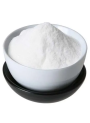
Vitamin C (L-ascorbic acid) (Fine)