Cream Separation with High Oil and DMAE
Question
I made a cream formulation using Light Cream Maker, which contains a significant amount of oil (around 20% from Cyclomethicone and Isododecane) and a high concentration of DMAE powder (10%). I did not measure the pH. The cream separated. What caused this, and how can I fix it?
Answer
Cream Separation Issue
Your formula contains a significant oil phase (10% Cyclomethicone and 10% Isododecane, totaling 20%) and a high concentration of DMAE powder (10%).
- Emulsifier Limitations: The Light Cream Maker you used is an effective emulsifier and thickener, but its description indicates it can handle up to 20% oil and has a pH range of 2.5-11. However, it can be sensitive to high concentrations of electrolytes, which can reduce its viscosity and stability.
- DMAE and pH: DMAE is listed as an electrolyte in the Light Cream Maker description. Using DMAE powder, especially at a high concentration like 10%, can make the water phase quite acidic if the pH is not measured and adjusted. A low pH can significantly weaken the Light Cream Maker's ability to maintain a stable emulsion, leading to separation. Furthermore, other ingredients like Vitamin B3 and MSH White are sensitive to very low pH and can degrade, reducing their effectiveness.
Solutions
To prevent separation and improve the stability of your cream, consider the following adjustments based on the previous advice:
- Reduce the Oil Phase: Lowering the combined percentage of Cyclomethicone and Isododecane to 10-15% will make the emulsion easier for the emulsifier to handle.
- Reduce DMAE Concentration: A 10% concentration of DMAE powder is quite high. Reducing it to 5% is often sufficient to see results and may also help improve formula stability and reduce the risk of skin irritation.
- Consider an Alternative Thickener/Emulsifier: While Light Cream Maker works without heat, Pro Polymer (Acrylate Crosspolymer) is suggested as an alternative gel maker that can provide better stability, particularly in formulas containing oils and electrolytes. Its description notes good electrolyte resistance, although high concentrations of electrolytes may still require a higher usage rate of Pro Polymer.
- Crucially, Check and Adjust pH: After mixing the water phase containing DMAE and Vitamin B3, it is essential to measure the pH. If it is too low, carefully adjust it upwards. Aim for a pH range that is suitable for all your ingredients (Vitamin B3 is best between 4.0-7.0, and MSH White is also pH sensitive). A pH of around 3.5-4 was mentioned as a potential threshold for the thickeners, but ensuring compatibility with your active ingredients is key.
For the Existing Batch
For the cream you have already made that is separating:
- You can try measuring its pH and carefully adjusting it upwards.
- Shaking the product before each use will temporarily mix the layers, although it doesn't fix the underlying stability issue.
- You could also attempt to incorporate Pro Polymer into the existing batch after adjusting the pH, using a mixer to help it dissolve and thicken the cream, which might improve stability.
By addressing the balance between the oil phase, electrolyte concentration (from DMAE), and ensuring the pH is within a stable and effective range for your ingredients and emulsifier, you should be able to create a stable cream formulation.
Related Products Mentioned

Safe-B3™ (Vitamin B3, Niacinamide)
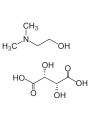
DMAE (dimethylaminoethanol bitartrate)
Light Cream Maker™
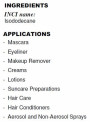
Isododecane (Germany)
Pro Polymer™ (Gel Maker)
