Cream Texture Changed Due to Ingredient Flake Size Variation
Question
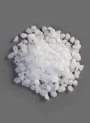
I am making a cream formulation using ingredients like Cetyl Alcohol, Cetearyl Alcohol, and Stearyl Alcohol. I recently received a new batch of one of these ingredients, and noticed the flake size is different from the previous batch, although the supplier confirmed the manufacturer and chemical composition are the same. After using this new batch, my cream formulation turned out softer than usual. Why did the texture change despite the chemical composition being the same, and how can I prevent this?
Answer
Understanding Ingredient Texture Changes in Cream Formulations
We understand your concern about the difference in flake size of the ingredient you received and how it affected your cream texture, making it feel softer compared to previous batches.
As the staff mentioned, the manufacturer of the ingredient has not changed, and the chemical composition remains the same. While the physical form, such as flake size, might vary between production batches, it should not fundamentally alter the chemical properties or the intended function of the ingredient in your formula.
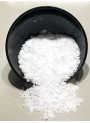
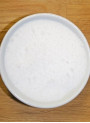
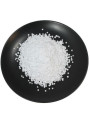
Ingredients like Cetyl Alcohol, Cetearyl Alcohol, and Stearyl Alcohol are commonly used in cream formulations as thickeners and stabilizers. They work by incorporating into the oil phase of the emulsion and helping to build viscosity and structure, contributing to the cream's thickness and stability. These ingredients typically come in solid forms like flakes or pellets.
Although the chemical identity is consistent, subtle differences in physical form could potentially influence how quickly the ingredient melts or disperses in your oil phase during the manufacturing process. However, if your process parameters (like heating temperature and mixing time) remain consistent, the final outcome should ideally be similar.
To help you troubleshoot why your cream texture changed, providing your full formula to the staff is the best next step. They can review the combination of ingredients and processing steps to identify any other factors that might be contributing to the difference in texture you observed.
Related Products Mentioned
Cetyl Alcohol
Cetearyl Alcohol (50/50, e.q. Lanette O)
Stearyl Alcohol