Cream Yellowing Issue with Perfect-C TransDerm and Nicotinamide
Question
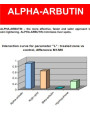
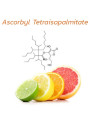
I made a cream containing Perfect-C TransDerm™ (Ascorbyl Tetraisopalmitate), Nicotinamide, Licorice extract, and Alpha Arbutin.
After about two weeks, the cream turned yellow.
Could you please advise on the possible causes and solutions?
Specifically, I would like to know about:
- What kind of thickener was used?
- What was the pH of the formula?
- What was the mixing temperature during the process?
- How was the finished cream stored (e.g., exposed to sunlight)?
Answer
Ingredient Compatibility and Cream Yellowing Issue
Thank you for your question regarding your cream formulation containing Perfect-C TransDerm™ (Ascorbyl Tetraisopalmitate), Nicotinamide, Licorice extract, and Alpha Arbutin, and the issue of it turning yellow after about two weeks.
Based on the information available for these ingredients:
- Perfect-C TransDerm™ (Ascorbyl Tetraisopalmitate): This is an oil-soluble Vitamin C derivative. The product description explicitly states "Do not use with Vitamin B3".
- Nicotinamide (Vitamin B3): This is a water-soluble vitamin.
Therefore, combining Perfect-C TransDerm™ and Nicotinamide in the same formula is not recommended due to incompatibility. This incompatibility is a very likely cause for the cream turning yellow, as it can lead to the degradation of one or both ingredients.
Other factors that can contribute to the yellowing include:
- pH Level: The optimal pH range for the stability of these ingredients varies. Perfect-C works best around pH 5.0-5.5, while Nicotinamide is stable in a broader range (pH 3-8, best at 4.0-7.0). Licorice extract and Alpha Arbutin prefer pH 3.5-6.5. Formulating outside the optimal range for any ingredient can cause instability and discoloration.
- Ingredient Purity and Quality: Impurities, especially metal ions, can catalyze degradation. Adding a chelating agent like Disodium EDTA (0.2%) is recommended, particularly when water is present.
- Exposure to Light, Heat, and Air: These environmental factors accelerate the oxidation and degradation of sensitive ingredients, leading to color change.
- Mixing Process: High temperatures during mixing can negatively impact ingredient stability.
- Other Formula Components: The thickener and other ingredients in your specific formula could also play a role.
Recommendations to Address the Yellowing:
- Choose Compatible Actives: You must decide between using Perfect-C TransDerm™ or Nicotinamide, as they are incompatible.
- If you wish to use Perfect-C TransDerm™, remove Nicotinamide from the formula.
- If you wish to use Nicotinamide, replace Perfect-C TransDerm™ with a compatible Vitamin C derivative (e.g., Sodium Ascorbyl Phosphate (SAP) or Magnesium Ascorbyl Phosphate (MAP), which are generally more compatible with Niacinamide).
- Optimize pH: Adjust the final pH of your cream to the optimal range for the ingredients you choose to keep. Aim for a pH around 5.0-5.5 if using Perfect-C (and compatible actives), or 4.0-7.0 if using Nicotinamide (and compatible actives).
- Add Chelating Agent: Include Disodium EDTA at 0.2% in your formula to help prevent degradation caused by metal ions.
- Consider Stabilizers: If using Alpha Arbutin, consider adding a stabilizer like ActiveProtecTM OX as recommended in its description.
- Review Manufacturing Process: Minimize heat exposure during the mixing process.
- Ensure Proper Storage: Store the finished product in airtight, opaque containers away from direct sunlight and heat. Refrigeration can help extend shelf life and maintain stability.
Providing details about the thickener used, the exact pH of your formula, the mixing temperature, and how the cream was stored would help further analyze the issue, but the incompatibility between Perfect-C TransDerm™ and Nicotinamide is a primary concern that needs to be resolved.