Creating a Foaming Cream Cleanser (Vichy Normaderm Style)
Question
How can I create a foaming cream cleanser similar to Vichy Normaderm, which I like because it feels clean, comfortable, non-drying, is hypoallergenic and non-comedogenic, and has a pH of around 7? My previous attempt resulted in a watery product. I am looking for formulation guidance using ingredients available from MySkinRecipes, specifically considering ingredients like Myristic Acid, Stearic Acid, Lauric Acid, Palmitic Acid, Potassium Hydroxide, Glycerin, Glyceryl Stearate SE, Coco-Glucoside, Salicylic Acid, and Tetrasodium EDTA. What ingredients from MySkinRecipes (e.g., Product IDs 2436, 32834, 901, 1016, 636, 143, 174, 178, 7594, 8445) are suitable, and what is the general formulation process, including troubleshooting the watery texture issue and adjusting the pH to around 7?
Answer
Creating a Foaming Cream Cleanser Similar to Vichy Normaderm
Based on the ingredient list of the Vichy Normaderm foaming cream cleanser you like, which is designed for oily, acne-prone skin with enlarged pores, and your experience of it feeling clean, comfortable, non-drying, hypoallergenic, and non-comedogenic with a measured pH of 7, we can outline a similar formulation approach using available ingredients from MySkinRecipes.
This type of cleanser primarily relies on the saponification of fatty acids with a base to create a soap, which provides the cleansing and foaming action. The original formula lists Myristic Acid, Stearic Acid, Lauric Acid, and Palmitic Acid as fatty acids, and Potassium Hydroxide as the base. It also includes Glycerin as a humectant, Glyceryl Stearate SE as an emulsifier/thickener, Coco-Glucoside as a gentle co-surfactant, Salicylic Acid as an active ingredient, and Tetrasodium EDTA as a chelating agent.
Here are some relevant ingredients available from MySkinRecipes that you can use:
- Fatty Acids: These will react with a base to form the cleansing soap.
- Myristic Acid (Product ID: 2436)
- Stearic Acid (Stearic: 50-56%, Palmitic: 41-50%) (Product ID: 32834)
- Lauric Acid (99%) (Product ID: 901)
- Palmitic Acid (FEMA-2832) (Product ID: 1016)
- Base: Used to saponify the fatty acids.
- Sodium Hydroxide (Product ID: 636)
While the original formula uses Potassium Hydroxide, Sodium Hydroxide is a suitable alternative base for saponification. You will need to carefully calculate the amount needed to neutralize the fatty acids.
- Sodium Hydroxide (Product ID: 636)
- Humectant: Helps retain moisture.
- Glycerin (USP/Food Grade) (Product ID: 143)
Glycerin helps keep the skin hydrated and prevents a dry feeling after washing.
- Glycerin (USP/Food Grade) (Product ID: 143)
- Emulsifier/Thickener: Helps create and stabilize the cream texture.
- Glyceryl Stearate SE / Glyceryl Monostearate SE (GMS SE) (Product ID: 174)
This ingredient is key to forming the creamy consistency.
- Glyceryl Stearate SE / Glyceryl Monostearate SE (GMS SE) (Product ID: 174)
- Co-Surfactant: A gentle surfactant to enhance foam and mildness.
- Coco Glucoside (Product ID: 178)
- Active Ingredient: For exfoliation and acne care.
- Liquid Salicylic Acid (40% Active Salicylic, Cationic For Wash-Off) (Product ID: 7594)
This form is water-soluble and suitable for rinse-off products.
- Liquid Salicylic Acid (40% Active Salicylic, Cationic For Wash-Off) (Product ID: 7594)
- Chelating Agent: Improves formula stability.
- Tetrasodium EDTA (Product ID: 8445)
Helps prevent issues caused by metal ions in water.
- Tetrasodium EDTA (Product ID: 8445)
General Formulation Process
Creating a foaming cream cleanser involves a saponification reaction. A typical process would involve:
- Heating the Fatty Acid/Oil Phase: Combine the fatty acids (Myristic Acid, Stearic Acid, Lauric Acid, Palmitic Acid) and Glyceryl Stearate SE and heat until melted and combined.
- Heating the Water Phase: Heat the water containing Glycerin and Tetrasodium EDTA.
- Prepare the Base Solution: Carefully dissolve Sodium Hydroxide in a small amount of water. This generates heat, so use a heat-resistant container and ensure proper ventilation. Allow it to cool slightly.
- Saponification: Slowly add the base solution to the heated fatty acid/oil phase while stirring continuously. This is where the soap is formed, and the mixture will start to thicken into a cream.
- Cooling and Adding Other Ingredients: Once the saponification is complete and the mixture has cooled down, add the Coco Glucoside and Liquid Salicylic Acid. Continue stirring until fully incorporated.
- pH Adjustment: Measure the pH of the final product. It will likely be alkaline. Carefully adjust the pH down to around 7 using a dilute acid solution (like Citric Acid or Lactic Acid). This step is crucial for skin compatibility and matching the pH of the original product you like.
Your previous attempt resulting in a watery product likely indicates an issue with the saponification process (incorrect ratio of fatty acids to base) or the emulsification/thickening step. Ensuring accurate measurements and proper heating and stirring during the saponification and cooling phases is key to achieving the desired creamy texture.
Developing cosmetic formulations requires experimentation. Start with small batches and adjust the percentages of ingredients, particularly the fatty acids and base, as well as the emulsifier, to achieve the desired texture and foaming properties while maintaining the target pH of around 7.
Relevant product IDs for the ingredients mentioned are: 2436, 32834, 901, 1016, 636, 143, 174, 178, 7594, 8445.
Related Products Mentioned
Glycerin (USP/Food Grade)
Coco Glucoside
Sodium Hydroxide
Lauric Acid (99%)
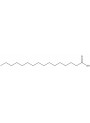
Palmitic Acid (98%, FEMA-2832)
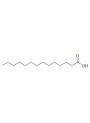
Myristic Acid (FEMA-2764)