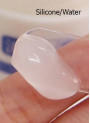
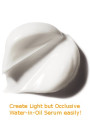
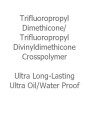
Creating an Anhydrous Serum from Glycol and Silicone: Preventing Separation and Vitamin C Solubility
Question
I am trying to create an anhydrous serum using Butylene Glycol and Cyclomethicone, but they are separating. I saw a KIEHL'S formula that seems to combine similar ingredients (Propylene Glycol and Cyclopentasiloxane) in an anhydrous system. How does KIEHL'S achieve this emulsification? I suspect they use Water-in-Oil EZ™ (Cetyl PEG/PPG-10/1 Dimethicone). Is this correct? Also, I added 15% L-Ascorbic Acid powder, which also seems to contribute to the separation. How can I create a stable serum from Butylene Glycol and Cyclomethicone, and how can I address the solubility of 15% L-Ascorbic Acid in this system?
Answer
Creating a Serum from Butylene Glycol and Cyclomethicone
You're experiencing separation when mixing Butylene Glycol and Cyclomethicone because they are fundamentally different types of liquids – Butylene Glycol is water-loving (polar), and Cyclomethicone is oil/silicone-loving (non-polar). They don't naturally mix well, similar to trying to mix oil and water.
Your existing ingredients, Light Cream Maker™ and Silky Serum Base, are not suitable for this specific type of formulation. Light Cream Maker™ is designed for oil-in-water emulsions, and Silky Serum Base is a pre-made base that isn't formulated to combine high percentages of both a glycol and a silicone in an anhydrous (water-free) system.
How the KIEHL'S Formula Works
The KIEHL'S 10.5 Powerful-Strength Line-Reducing Concentrate formula successfully combines ingredients like Propylene Glycol (similar to Butylene Glycol) and Cyclopentasiloxane (similar to Cyclomethicone) in an anhydrous system by using a specialized emulsifier: Cetyl PEG/PPG-10/1 Dimethicone, which is the key ingredient in products like Water-in-Oil EZ™. This type of emulsifier is designed to create water-in-oil or, in this case, polar-liquid-in-silicone/oil emulsions. The formula also contains Glycerin, which is another polar liquid that helps the emulsifier work effectively. Additionally, ingredients like Dimethicone Crosspolymer and Acrylates Copolymer likely act as thickeners and stabilizers, helping to keep the mixture uniform and prevent separation.
Addressing Vitamin C Solubility
Regarding the 15% Vitamin C (L-Ascorbic Acid) powder you added, L-Ascorbic Acid is highly soluble in water but has limited solubility in glycols and silicones. A concentration of 15% is very difficult to fully dissolve in a system primarily composed of Butylene Glycol and Cyclomethicone without water, which contributed to the separation. While the KIEHL'S formula contains Ascorbic Acid, it likely uses a very fine grade (like Vitamin C (L-ascorbic acid) (Ultra-Fine)) to help with dispersion, and the overall emulsified system helps keep the powder suspended, even if not completely dissolved.
How to Create Your Serum
To create a stable serum from Butylene Glycol and Cyclomethicone, you will need a suitable emulsifier capable of binding these two different phases. Based on the KIEHL'S formula, a Water-in-Oil emulsifier like Water-in-Oil EZ™ (Cetyl PEG/PPG-10/1 Dimethicone) is recommended. You would typically mix the emulsifier into the silicone/oil phase (Cyclomethicone) and then gradually add the polar phase (Butylene Glycol, Glycerin if used, and potentially the Vitamin C powder dispersed in the glycol) while stirring or blending continuously.
To achieve a serum texture and improve stability, you may also need to incorporate a thickener or stabilizer compatible with this type of system, such as a silicone elastomer (like Dimethicone Crosspolymer) or certain polymers (like Acrylates Copolymer, found in products like Pro Polymer™).
Keep in mind that achieving a stable, clear serum with a high concentration of L-Ascorbic Acid in an anhydrous glycol-silicone system is challenging due to the solubility issues. You might need to experiment with lower Vitamin C concentrations or consider using a different form of Vitamin C that is more soluble in oil/silicone phases if you want to avoid water.
In summary, your existing bases are not suitable. You will need to use a specific W/O emulsifier like Water-in-Oil EZ™ and potentially a thickener/stabilizer to successfully combine Butylene Glycol and Cyclomethicone into a stable serum.
Related Products Mentioned
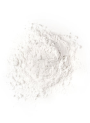
Vitamin C (L-ascorbic acid) (Ultra-Fine)
Light Cream Maker™
Glycerin (USP/Food Grade)
Pro Polymer™ (Gel Maker)
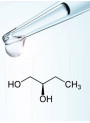
Butylene Glycol