Creating Anti-Aging Night Cream with Atoplam MLE Base
Question
Can I add the following ingredients to Atoplam Intensive Moisturizing (MLE) cream to make a night cream? I want to target wrinkles, firmness, and uneven skin tone. Please advise if this is possible and provide any additional recommendations.
- Copper Peptide 3g
- Repair Activator 5g
- Palmitoyl Tripeptide-5 5g
- Matrixyl 3000 5g
- Argireline 10g
- Vitamin B3, Niacinamide 10g
- Encapsulated Retinol 2g
Answer
Creating an Anti-Aging Night Cream with Atoplam MLE Base
It is possible to add the ingredients you listed (Copper Peptide, Repair Activator, Palmitoyl Tripeptide-5, Matrixyl 3000, Argireline, Vitamin B3/Niacinamide, and Encapsulated Retinol) to a cream base like Atoplam Intensive Moisturizing (MLE) to create a night cream targeting wrinkles, firmness, and uneven skin tone. The ingredients you have chosen are well-suited for these concerns.
Here are some important points to consider when incorporating these active ingredients:
Concentration is Key: The amounts you listed (in grams) need to be considered as a percentage of your total final cream weight (base cream + added ingredients). Adding the listed grams directly to a standard size cream jar might result in concentrations that are too high, potentially affecting the cream's stability, texture, and causing skin irritation.
It is highly recommended to calculate the percentage of each ingredient based on your desired final batch size and adhere to the recommended usage rates for optimal efficacy and stability. The recommended usage rates for these ingredients are:
- Copper Peptide: 1-3%
- Repair Activator: 5-100%
- Palmitoyl Tripeptide-5 (Pep-Coll): 1-5% (recommended 3%)
- Matrixyl 3000: 3-5% (recommended 3%)
- Argireline: 3-10%
- Vitamin B3/Niacinamide: 1-10% (recommended 5%, high purity types like Safe-B3 can be used up to 10%)
- Encapsulated Retinol: 1-2% (recommended 2%)
Mixing Method: These ingredients should generally be added to the cream base in the final step of preparation, ensuring the cream's temperature is below 40°C to maintain the stability of the active ingredients.
pH Consideration: While most of these ingredients are compatible with a typical cream pH (around 5-6), checking the final pH of your mixture is advisable for optimal stability, especially for ingredients like Copper Peptide which has a recommended pH range of 4.5-7.4.
Ingredient Benefits:
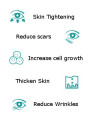
- Copper Peptide: Known for skin repair, reducing wrinkles, and improving skin texture.
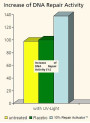
- Repair Activator (Bifida Ferment Lysate): Helps support the skin's natural repair processes.
- Palmitoyl Tripeptide-5 (Pep-Coll) & Matrixyl 3000: These peptides stimulate collagen synthesis, helping to reduce wrinkles and improve skin firmness and elasticity. Matrixyl 3000 also has anti-inflammatory properties.
- Argireline: A peptide that helps reduce the appearance of expression wrinkles by relaxing facial muscles. It works well in combination with collagen-stimulating peptides like Pep-Coll or Matrixyl 3000.
- Vitamin B3/Niacinamide: A versatile ingredient that improves skin tone by reducing redness and hyperpigmentation, strengthens the skin barrier, reduces oiliness, and offers anti-aging benefits by stimulating collagen and ceramides.
- Encapsulated Retinol: A stable form of Vitamin A that promotes skin renewal, reduces wrinkles, and improves skin texture and tone.
By carefully calculating the percentages based on your desired total volume and incorporating the ingredients correctly, you can create a potent anti-aging night cream. It is always a good idea to start with lower concentrations and perform a patch test to ensure skin compatibility.
Related Products Mentioned
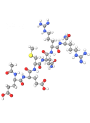
Acetyl Hexapeptide-8 (eq Argireline)
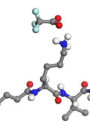
Pep®-Coll (Palmitoyl tripeptide-5)
Pal-GHK, Pal-GQPR (eq Matrixyl 3000)

Safe-B3™ (Vitamin B3, Niacinamide)