Creating Massage Oil for Sensitive Skin with Shea Butter and Floral Fragrance
Question
I would like to inquire about skin nourishing oil for sensitive, dry, and allergy-prone skin.
I intend to make a massage oil that can help with skin strength and moisture. I am interested in Shea Butter Light Oil. I have used a liquid soap product containing this ingredient and it suited my skin quite well. However, I noticed that there are several types of shea butter. Therefore, I would like to ask for advice on the following:
- Which type of shea butter can be used to make massage oil?
- Is the scent of shea butter acceptable for a massage oil?
- Do I need to mix it with other oils? If so, which ones should I use?
- I would like it to have a pleasant floral scent. Can I mix floral fragrance into it?
- Will the floral scent clash with the shea butter scent?
- Do I need any special tools for mixing?
I am also open to private classes if available. Please provide your recommendations. Thank you.
Answer
Making a Massage Oil for Sensitive Skin
Creating a massage oil for sensitive, dry, and allergy-prone skin requires selecting oils known for their moisturizing, soothing, and barrier-supporting properties. Shea butter is an excellent choice for this purpose due to its rich fatty acid content and skin-conditioning benefits.
Choosing Your Shea Butter
You are interested in Shea Butter Light Oil, which is a great starting point. Here's a look at the different types of shea butter and their suitability for a massage oil:
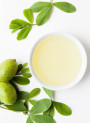
- Shea Butter Light Oil: This is an esterified form of shea butter that is liquid at room temperature. It retains the moisturizing benefits of shea butter but has a much lighter, non-greasy feel and is easily absorbed. This is highly suitable for a massage oil, especially if you prefer a less heavy texture. It can be used at 100% or blended with other oils.
- Shea Butter (Melt, Liquid Form in Room Temperature): Similar to the Light Oil, this type is also liquid at room temperature, making it easy to incorporate into oil blends without heating. It offers the benefits of shea butter in a convenient liquid form.
- Shea Butter (Refined , Deodorised) and Shea Butter (Ultra Soft): These are traditional shea butters that are solid at room temperature. They are excellent moisturizers but would need to be gently heated (around 60-70°C) and melted before mixing with liquid oils. Using a high percentage would result in a thicker, balm-like texture rather than a liquid oil. They are odorless.
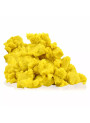
- Golden Shea Butter (Virgin, Ghana): This is unrefined shea butter. It is solid at room temperature and needs melting. It has a natural yellow color and a distinct natural scent, which might interfere with added floral fragrances. It contains more natural compounds but might be heavier and its scent could be an issue if you want a pure floral aroma.
Recommendation: For a liquid massage oil that is easy to mix and less greasy, Shea Butter Light Oil or Shea Butter (Melt, Liquid Form in Room Temperature) are the most convenient options. If you prefer a thicker, more balm-like massage product and don't mind melting, the other solid shea butters can also be used.
Blending with Other Oils
While Shea Butter Light Oil can be used alone, blending it with other carrier oils can enhance the texture and add complementary skin benefits. For sensitive, dry skin, consider oils that are nourishing and easily absorbed:
- Babassu Oil (Refined): This oil is known for being quickly absorbed and is rich in emollients. It is suitable for dry, itchy skin and can help restore skin strength. It has a low melting point but is generally liquid at typical room temperature.
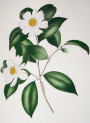
- Tea (Camellia oleifera) Seed Oil (Virgin, Cold-Pressed): High in Oleic Acid (Omega 9), this oil is very nourishing, has a medium weight, and is easily absorbed. It's a good choice for moisturizing dry skin.
Blending Shea Butter Light Oil (or Melt) with Babassu Oil or Tea Seed Oil in various ratios (e.g., 50/50, 70/30) can create a lovely massage oil texture.
Adding Floral Fragrance
Yes, you can definitely add a floral fragrance to your massage oil. Since you prefer floral scents, you can use oil-based cosmetic grade fragrance oils or essential oils.
- Fragrance Oils/Essential Oils: Add these at a low percentage (typically 0.5% to 2% of the total oil blend) to the finished massage oil after it has been mixed and cooled. This helps preserve the integrity of the scent. Using odorless shea butter types (Light Oil, Melt, Refined, Ultra Soft) will allow the floral scent to come through cleanly without competing with a natural shea aroma.
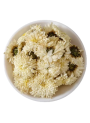
- Natural Infusion: Products like Dried White Chrysanthemum (for oil-based) can be used to infuse a carrier oil, creating a naturally scented oil that can then be used as part of your massage oil blend. This requires an infusion process (heating the dried flowers in oil over time).
To avoid scent clashes, especially if using essential oils, research which floral scents blend well together or start with a single floral note you love. Always test the fragrance in a small amount of your base oil blend first to see how it smells.
Simple Mixing Process
Making a basic massage oil is quite simple and doesn't require special equipment beyond measuring tools and containers.
- Measure Your Oils: Measure the desired amounts of your chosen oils (e.g., Shea Butter Light Oil and Babassu Oil).
- Combine: Pour the liquid oils into a clean container. If using a solid shea butter type, gently melt it first using a double boiler or very low heat until just liquid, then combine with the other oils. Stir gently to mix.
- Cool (if heated): If you melted any solid butters, let the mixture cool down significantly, ideally to room temperature or slightly warmer.
- Add Fragrance: Once cooled, add your chosen fragrance oil or essential oil drop by drop, mixing gently after each addition, until you reach your desired scent strength.
- Store: Pour the finished massage oil into a clean bottle. Store in a cool place away from direct sunlight to maintain freshness.
You do not need specialized equipment for this simple process.
Regarding private classes, I can only provide information and guidance through this platform. I do not have details about specific class offerings.
I hope this detailed information helps you create the perfect massage oil for your skin!
Related Products Mentioned
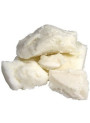
Shea Butter (Refined , Deodorised)
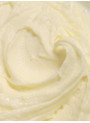
Shea Butter (Ultra Soft)
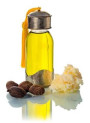
Shea Butter Light Oil
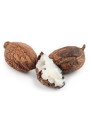
Babassu Oil (Refined)