Creating Olive Tone Liquid Foundation with Transfer/Water Resistance and Formula Review
Question
I need to create a medium olive tone for a liquid foundation using micas and oxides if needed. I'm aiming for transfer and water resistance.
Could you please check my current formulation and let me know if you would change anything?
My current formulation is:
- Mango butter 30%
- Avocado oil 25%
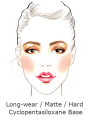
- Silicone Film (Smart-Wear, Hard, Cyclopentasiloxane Base) 20%
- Hydrogenated Polyisobutene (4cs, e.q. MC30) 10%
- Cetyl alcohol 6%
- Arrowroot 5%
- Cera bellina 2%
- Vitamin e 1%
Answer
Creating a Medium Olive Tone Foundation and Reviewing Your Formula
To create a medium olive tone for a liquid foundation using micas and oxides, you will primarily rely on a blend of iron oxides and chromium oxide green. Olive tones have a greenish-yellow undertone. You can achieve this by mixing:
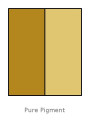
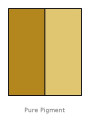
- Yellow Iron Oxide: This forms the base yellow tone.
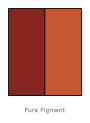
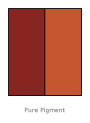
- Red Iron Oxide: A small amount adds warmth and depth.
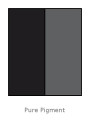
- Black Iron Oxide: A tiny amount darkens the shade.
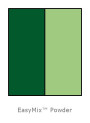
- Chromium Oxide Green: This is key to creating the olive undertone. Add very small amounts gradually until the desired green tint is achieved.
Start with your base foundation formula (without pigments) and add pre-dispersed pigments incrementally, mixing thoroughly each time, until you reach the desired shade. It's often easiest to create a concentrated pigment paste first and then add that to your base.
Using coated pigments, such as those coated with Methicone or Triethoxycaprylylsilane, is highly recommended for liquid foundations, especially for transfer and water resistance. These coatings help the pigments disperse better in oil and silicone phases and improve their adherence to the skin, enhancing the long-wear properties.
Regarding your current formulation:
- Mango Butter (30%) and Avocado Oil (25%): The combined percentage of these oils/butters is very high (55%). While they provide emollience, such a high oil load is likely to significantly compromise the transfer and water resistance of your foundation. Liquid foundations aiming for long-wear and transfer resistance typically have a much lower oil phase, often relying more on volatile silicones or specialized emollients and film formers.
- Silicone Film (Smart-Wear, Hard, Cyclopentasiloxane Base) (20%): This is an excellent ingredient for achieving transfer and water resistance, as its description confirms it forms a durable film. This component is well-suited for your goal.
- Hydrogenated Polyisobutene (10%): This is a good emollient and can contribute to texture, but again, adds to the overall oiliness.
- Cetyl Alcohol (6%) and Cera Bellina (2%): These help structure the oil phase, but with 55% liquid oils/butters, they may not be sufficient to prevent transfer, and the overall feel might be heavy.
- Arrowroot (5%): Starches can help absorb some oil and provide a matte feel, but at 5% in this oil-heavy formula, it might not fully counteract the greasiness and could potentially affect the texture, making it feel powdery or separating over time.
- Vitamin E (1%): This is primarily an antioxidant to protect the oils.
Suggested Adjustments:
To improve transfer and water resistance, you would likely need to significantly reduce the total percentage of Mango Butter and Avocado Oil. Consider restructuring the formula to be more silicone-heavy or use emollients that are less prone to transfer. Increasing the percentage of the Silicone Film (within its recommended usage rate) could also enhance durability. You might also explore different types of powders or fillers known for oil absorption and silky feel in silicone/oil systems, at appropriate levels.
Achieving a stable, transfer-resistant liquid foundation often involves a careful balance of film formers, volatile carriers (like Cyclopentasiloxane, which is part of your Silicone Film ingredient), emollients, and powders. Your current formula is very rich in non-volatile oils, which works against the goal of transfer resistance.
Related Products Mentioned
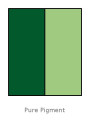
Chromium Oxide Green