Criteria for Limiting Ingredients in Homemade Skincare for Better Results
Question
What criteria should be used to determine the appropriate number of ingredients in a homemade skincare formula? How can I avoid adding too many ingredients?
Answer
Guide to Making Effective Homemade Skincare
Achieving good results with homemade skincare requires understanding and careful planning, not just mixing ingredients together. Based on shared experiences, here are the key steps and considerations:
1. Know and Understand Your True Skin Type
Start by assessing your basic skin condition: normal, truly oily, oily (dehydrated), truly dry, dry (dehydrated), or severely damaged skin (e.g., steroid-dependent). This helps determine the appropriate care approach.
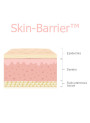
2. Balance Skin Moisture and Strengthen the Skin Barrier
This is the most crucial step. No matter how good the active ingredients are, if the skin lacks moisture or is not strong, the treatment may not be as effective.
- Truly Oily Skin: Usually resilient, less prone to irritation. Focus on oil-reducing ingredients. May not need much moisture from oils.
- Truly Dry Skin: Always dry. Tends to be resilient if well-moisturized. Focus on highly moisturizing ingredients like oils or butters.
- Oily/Dry (Dehydrated) Skin: A temporary condition where skin is unbalanced. May be oily in hot, humid weather but dry and rough after washing. Easily irritated and prone to acne. Focus on restoring moisture balance first. Avoid irritating ingredients.
- Severely Damaged Skin: Consult a dermatologist before attempting homemade skincare.
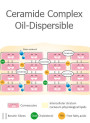
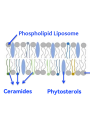
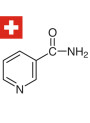
Key ingredients that help strengthen the skin barrier and boost moisture include Vitamin B3 (Niacinamide) and Ceramide. They play a vital role in making skin more resilient, reducing irritation, and improving moisture retention.
3. Wisely Choose Active Ingredients Based on Skin Concerns (Acne, Melasma, Wrinkles)
After your skin is well-moisturized and strong, you can select ingredients targeting specific concerns. Ensure the chosen ingredients do not conflict with your basic skin type.
4. Consider All Ingredients in the Formula That Affect Moisture
Not just ingredients categorized as moisturizers, but everything in the formula impacts the overall feel and moisture of the skin. Consider all components.
5. Select Appropriate Formula Types and Auxiliary Ingredients
Consult with experts to choose the right product type (e.g., essence, serum, cream) and auxiliary ingredients that improve texture and suit your skin type.
6. Silicone Is Not Always Bad
If a cream feels heavy or sticky, using Silicone in appropriate amounts, such as Cyclopentasiloxane or Trisiloxane, up to 5%, can help improve the texture, making it lighter, smoother, and easier to spread.
7. Beginners Should Avoid Difficult or Irritating Ingredients
Start with basic, easy-to-use, and safe ingredients to minimize potential problems.
8. Do Not Use Too Many Ingredients
Adding too many ingredients may not improve effectiveness and can increase the chance of irritation or make the product unstable. Focus on essential and effective key ingredients.
9. Evaluate and Adjust Patiently
If the product doesn't yield expected results but doesn't worsen your skin, re-evaluate skin moisture first before considering changes to other ingredients.
10. Add or Change Ingredients Gradually
If you want to try new ingredients or adjust a formula, add or change only one ingredient at a time. This makes it easier to observe results and identify the cause of any issues.
11. Patience and Mindfulness Are Key
Achieving good skin takes time and consistency. Don't be impatient or frequently change formulas just because you see interesting new ingredients. Learn and adjust step by step.
Deeply understanding your skin, prioritizing moisture balance and barrier strengthening, and choosing and using ingredients wisely and patiently will lead to sustainably better skin results.
Related Products Mentioned
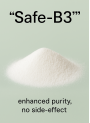
Safe-B3™ (Vitamin B3, Niacinamide)
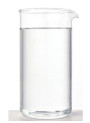
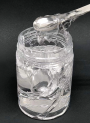
Silicone Gel (Ultra Clear, Super Silky)
Trisiloxane
TransMoist™ (PPG-24-Glycereth-24)