Cushion Foundation Formulation and Ingredient Alternatives
Question
I would like to formulate a Cushion foundation based on the following ingredient list:
- Water
- Cyclopentasiloxane
- Camellia Sinensis Leaf Water
- Titanium Dioxide (CI 77891)
- Phenyl Trimethicone
- Zinc Oxide
- glycerin
- Butylene Glycol
- Cyclohexasiloxane
- Diethythexyl Carbonate
- Niacinamide
- Lauryl PEG-9 Potydimethylsiloxyethyl Dimethicone
- Sodium Chloride
- Cetyl PEG/PPG-10/1 Dime-thicone
- Disteardimonium Hectorite
- PEG-10 Dimethicone
- Allantoin
- Butyrospermum Parkii (Shea) Butter
- Sodium Hyaluronate
- Hydrogenated Polydecene
- Gelatin
- Acacia Senegal Gum
- pentylene glycol
- Punica Granatum Fruit Extract
- Aluminum Hydroxide
- Beeswax
- stearic acid
- PEG-10 Methyl Ether Dimethicone
- Propylene Carbonate
- Triethoxycaprylylsilane
- Ethylene/Methacrylate Copolymer
- Isododecane
- Adenosine
- Disodiurn EDTA
- Capryyl Glycol
- 12-Hexanediol
- Iron Oxides (CI 77491)
- Iron Oxides (CI 77492)
- Iron Oxides (CI 77499)
- Fragrance
- Could you please provide a revised formula using ingredients available from Myskin?
- Please provide detailed mixing instructions and recommended usage percentages for the ingredients.
- If any ingredients from the original list are not available at Myskin, please suggest alternative ingredients with similar properties or functions.
Answer
Myskin Equivalent Ingredients for Cushion Foundation
Based on the ingredient list you provided, I have identified equivalent or suitable alternative ingredients available from the Myskin database to help you formulate a Cushion foundation.
Water Phase Ingredients:
- Purified Water: You can use Purified Water, TDS Limit 1PPM (ID 838).
- Camellia Sinensis Leaf Water: A direct hydrosol is not listed, but you can use concentrated extracts like Green Tea Extract (EGCG) (ID 729) or other soothing water-soluble extracts such as Allantoin (ID 75) or Calendula Extract (Water Soluble) (ID 123).
- glycerin: You can use Glycerin (USP/Food Grade) (ID 143).
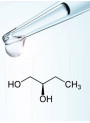
- Butylene Glycol: You can use Butylene Glycol (ID 320).
- Sodium Chloride: You can use Sodium Chloride (High Purity, 99.9%) (ID 10321). This is often used to thicken the water phase in W/Si emulsions.
- Sodium Hyaluronate: You can use Hyaluronic Acid in various molecular weights, such as Hyaluronic Acid (Standard Molecule, 1M Daltons) (ID 79), Hyaluronic Acid (Small Molecule, 8-50K Daltons) (ID 105), or Hyaluronic Acid (Large Molecule, 2M Daltons) (ID 1351).
- Gelatin / Acacia Senegal Gum: These are natural gums. You can use alternative thickeners/film formers available from Myskin, such as Hydroxyethyl Cellulose (HEC) (ID 1340) or Cellulose Gum (ID 127695), to build viscosity in the water phase.
- Punica Granatum Fruit Extract: A direct match was not found in the initial searches. You may explore other beneficial botanical extracts available from Myskin.
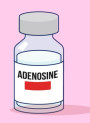
- Adenosine: You can use Pure-Adenosine™ (ID 1925).
- Disodiurn EDTA: You can use Disodium EDTA (ID 184) as a chelating agent.
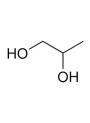
- Caprylyl Glycol: You can use Caprylyl Glycol (1,2-Octanediol) (ID 744) as a humectant and preservative booster.
- 12-Hexanediol: You can use 1,2-Hexanediol (Super-Purified, Odorless) (ID 886) as a humectant and preservative booster.
Oil/Silicone Phase Ingredients:
- Cyclopentasiloxane: You can use Cyclopentasiloxane (Low-Odor Cyclomethicone) (ID 171).
- Phenyl Trimethicone / Cyclohexasiloxane: You can use Cyclopentasiloxane (ID 171) or Dimethicone (Very Light/10, Low-Odor) (ID 2052) to provide a similar slip and feel.
- Diethythexyl Carbonate: You can use LipidSoft™ Spread (Diethylhexyl Carbonate) (ID 2163) as an emollient and spreading agent.
- Lauryl PEG-9 Polydimethylsiloxyethyl Dimethicone: You can use Lauryl PEG-9 Polydimethylsiloxyethyl Dimethicone (ID 7592) as a Water-in-Silicone emulsifier.
- Cetyl PEG/PPG-10/1 Dimethicone: You can use Water-in-Oil EZ™ (Cetyl PEG/PPG-10/1 Dimethicone) (ID 726) as another Water-in-Silicone or Water-in-Oil emulsifier. You can choose one or a combination of silicone emulsifiers based on desired stability and feel.
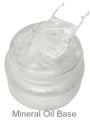
- Disteardimonium Hectorite: This is an oil-phase gelling agent. You can use Hectorite Gel™ (Isododecane Base, eq. Bentone Gel ISD V) (ID 1083) or Mineral Oil Gel (Thixotropic, e.q. Versagel M) (ID 2158) as rheology modifiers in the oil phase. Hectorite Gel™ in Isododecane might be a closer functional match given Isododecane is also in your formula.
- PEG-10 Dimethicone: You can use SiliSolve™ (PEG-10 Dimethicone, Odorless) (ID 408) as a silicone emulsifier/texturizer.
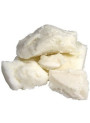
- Butyrospermum Parkii (Shea) Butter: You can use Shea Butter (Refined , Deodorised) (ID 117) or Shea Butter (Ultra Soft) (ID 227).
- Hydrogenated Polydecene: You can use Hydrogenated Polydecene (Light, 6cSt) (ID 2182).
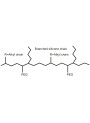
- Beeswax: You can use Natural White Beeswax (USA, Melting 62C, Deodorized) (ID 206) or Synthetic White Beeswax (Melting 62C) (ID 8022) as a wax/structurant.
- stearic acid: You can use Stearic Acid (Stearic: 39-45%, Palmitic: 53-60%) (ID 1318) as a fatty acid that can contribute to structure.
- Isododecane: You can use Isododecane (Germany) (ID 228).
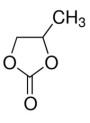
- Propylene Carbonate: You can use Propylene Carbonate (ID 844). This is often used to activate organoclays like Disteardimonium Hectorite.
- Ethylene/Methacrylate Copolymer: A direct match was not found. You may look for other film-forming polymers available from Myskin.
Pigments & UV Filters:
- Titanium Dioxide (CI 77891): You can use pigment forms like Titanium Dioxide 250nm Pigment (Non-Treated) (ID 295), Titanium Dioxide 300nm Pigment (Non-Treated, Color-Controlled) (ID 7415), or Titanium Dioxide 250nm Pigment (Non-Treated, Eco) (ID 34583).
- Zinc Oxide: A suitable pigment form of Zinc Oxide was not found in the searches. This is essential for UV protection and coverage in a foundation.
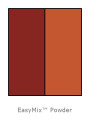
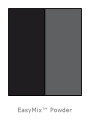
- Iron Oxides (CI 77491, CI 77492, CI 77499): You can use Red Iron Oxides (CI 77491) (ID 276), Iron Oxides Yellow (CI 77492) (ID 297), and Black Iron Oxides (CI 77499) (ID 277) to create the desired shade.
- Aluminum Hydroxide / Triethoxycaprylylsilane: These are typically pigment surface treatments. The Iron Oxide and Titanium Dioxide pigments found are listed as "Non-Treated". You will need to ensure proper dispersion of these pigments in the oil/silicone phase, potentially using a separate dispersing agent if needed.
Other Actives:
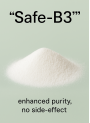
- Niacinamide: You can use Safe-B3™ (Vitamin B3, Niacinamide) (ID 74) or Extreme-B3™ (Vitamin B3, Niacinamide, Highest Purity) (ID 33171).
- Fragrance: You can select a suitable cosmetic fragrance from the Myskin catalog.
General Mixing Instructions and Percentage Guidance
Cushion foundations are typically Water-in-Silicone (W/Si) or Water-in-Oil (W/O) emulsions. This structure provides a lightweight feel, good spreadability, and often water resistance.
Basic Mixing Steps (General):
- Prepare the Oil/Silicone Phase: Combine all oil-soluble/silicone-soluble ingredients, including silicones, emollients, oil-phase thickeners, waxes, and silicone emulsifiers. Heat gently if necessary to melt waxes, then cool slightly. Add Propylene Carbonate if using an organoclay thickener.
- Prepare the Water Phase: Combine water, humectants, water-soluble actives, water-phase thickeners, and chelating agent. Heat gently if needed to dissolve solids. Add Sodium Chloride. Ensure everything is fully dissolved.
- Prepare the Pigment Phase: Disperse the pigments (Titanium Dioxide, Iron Oxides) thoroughly in a portion of the oil/silicone phase or a suitable dispersing agent. Proper pigment dispersion is crucial for color uniformity and stability and often requires high shear mixing.
- Emulsification: Slowly add the water phase to the oil/silicone phase while mixing with high shear. Continue mixing until a stable emulsion forms.
- Incorporate Pigment Paste: Add the pre-dispersed pigment phase to the emulsion and mix thoroughly until the color is uniform.
- Add Fragrance (Optional): Add fragrance at the end, mixing gently.
- Adjust Viscosity/Stability: Check the viscosity and stability. Adjust if necessary by adding more thickener or emulsifier, or by adjusting the phase ratio.
- Filling: Fill the finished product into the cushion compacts.
Regarding Percentages:
Providing exact percentages is difficult without specific product grades and extensive testing. However, here are typical ranges for categories of ingredients in emulsion systems like this. These are starting points and will require significant experimentation:
- Water: 40-70%
- Silicones (Cyclopentasiloxane, Dimethicone, etc.): 10-30%
- Emollients/Oils (Diethylhexyl Carbonate, Hydrogenated Polydecene, Shea Butter): 5-20%
- Silicone Emulsifiers (Lauryl PEG-9, Cetyl PEG/PPG-10/1, PEG-10 Dimethicone): 2-10% (depending on the specific emulsifier and phase ratio)
- Thickeners (Water phase - HEC, Cellulose Gum; Oil phase - Hectorite Gel, Mineral Oil Gel): 0.1-2% (highly dependent on the thickener type)
- UV Filters (Titanium Dioxide, Zinc Oxide): 5-20% (depending on desired SPF and coverage)
- Color Pigments (Iron Oxides): 1-10% (highly dependent on desired shade and coverage)
- Humectants (Glycerin, Glycols, Hyaluronic Acid): 1-10%
- Actives (Niacinamide, Allantoin, Extracts, Adenosine): 0.1-5% (depending on the active and its recommended usage)
- Salts (Sodium Chloride): 0.1-1% (for W/Si thickening)
- Chelating Agents (EDTA): 0.05-0.2%
- Preservatives: 0.5-1.5% (ensure compatibility with the formula)
- Fragrance: 0.1-0.5%
Important Considerations:
- Emulsifier Selection: The choice and combination of silicone emulsifiers are critical for the stability of a W/Si or W/O emulsion.
- Pigment Dispersion: Achieving a smooth, uniform color requires proper dispersion of pigments. Using a high-speed mixer or a bead mill is often necessary. Pre-dispersed pigments can simplify this step if available.
- Stability Testing: Any new formulation must undergo stability testing (e.g., heat/cold cycles, centrifuge) to ensure it does not separate over time.
- Preservation: A broad-spectrum preservative system is essential for any water-containing cosmetic product.
- Texture and Feel: The percentages of silicones, emollients, and thickeners will significantly impact the final texture and feel of the cushion foundation.
I hope this information helps you in developing your Cushion foundation formula. Please feel free to ask if you have further questions.
Related Products Mentioned
Safe-B3™ (Vitamin B3, Niacinamide)

Allantoin
Shea Butter (Refined , Deodorised)

Calendula Extract (Water Soluble)
Glycerin (USP/Food Grade)
Disodium EDTA
Shea Butter (Ultra Soft)
Isododecane (Germany)
Red Iron Oxides EasyMix™
Black Iron Oxides EasyMix™
Butylene Glycol
Hi-EGCG™ (Green Tea Extract)
Caprylyl Glycol (1,2-Octanediol)

Purified Water, TDS Limit 1PPM)
Propylene Carbonate

Pure-Adenosine™

Pentylene Glycol (Low-Odor)
Hydrogenated Polydecene (Light, 6cSt)

Synthetic White Beeswax (Melting 62C)