Custom Cream Formulation for Melasma and Brightening
Question
I want to focus on treating melasma and brightening the skin.
I have modified some ingredients from the original "Day & Night Cream by BF" formula. Please review the following formulation:
- Alpha Arbutin (China, Enzymatic Synthesis): 2.00%
- Tranexamic Acid: 3.00%
- Undecylenoyl Phenylalanine: 2.00%
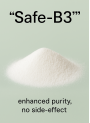
- Safe-B3™ (Vitamin B3, Niacinamide): 6.00%
- GlucoBright™ (Acetyl glucosamine): 4.00%
- Kojic Acid Dipalmitate: 4.00%
- Yeast Radiance™ (AQUA, Glycerin, HYDROLYZED YEAST PROTEIN, sodium benzoate): 3.00%
- 4MSK (Potassium Methoxysalicylate): 0.50%
- Deoxyarbutin (D-Arbutin) (TETRAHYDROPYRANYLOXY PHENOL): 0.50%
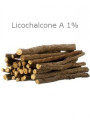
- Licorice Extract (Licochalcone A 1%) (Butylene Glycol, PPG-6-DECYLTETRADECETH-30, AQUA, LICORICE ROOT EXTRACT): 1.00%
- Complex Salicylic Acid (Powder, Water-Soluble) (Salicylic Acid, AMYLOPECTIN, DEXTRIN, Xanthan Gum): 2.00%
- Distilled Water (AQUA): 48.30%
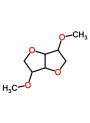
- Dimethyl Isosorbide (DMI): 3.00%
- Light Lotion Maker (GLYCERYL OLEATE CITRATE, Caprylic/capric triglyceride): 4.00%
- Phospholipid (Hydrogenated Lecithin): 2.00%
- Xanthan Gum (Clear Gel type, smooth texture, non-stretchy): 0.50%
- Silicone Gel (Ultra Clear) (Cyclopentasiloxane, Dimethicone/VINYL Dimethicone CROSSPOLYMER): 7.00%
- Mild Preserved Eco™ (Ethylhexylglycerin) (Propanediol, Ethylhexylglycerin): 1.00%
- Disodium EDTA: 0.20%
- Butylene Glycol: 3.00%
- TXC™ (Cetyl Tranexamate HCl): 3.00%
Answer
Formulation Analysis for Melasma and Brightening
This is a very potent formula designed to target melasma and brighten skin tone by incorporating a wide array of well-known active ingredients. You've included several powerful agents that work through different mechanisms to reduce pigmentation.
Here's an analysis of the ingredients and concentrations you've chosen:
- Alpha Arbutin (2.00%): This is a popular and effective whitening agent that inhibits tyrosinase. Your concentration is at the maximum recommended level for cosmetic use (up to 2%). It should be added below 30°C and requires a pH between 3.5-6.5 for stability. The description mentions using ActiveProtec OX to prevent discoloration, which is not in your list.
- Tranexamic Acid (3.00%): Known for its efficacy against melasma, your concentration is at the maximum allowed for cosmetic products by FDA/ASEAN regulations (up to 3%). Higher concentrations require drug registration. It's water-soluble and prefers a pH of 3-8. Like Alpha Arbutin, the description suggests ActiveProtec OX for stability.
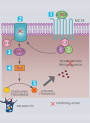
- Undecylenoyl Phenylalanine (MSH White) (2.00%): This ingredient works by inhibiting Alpha-MSH, a key factor in melanin production. Your concentration is at the maximum recommended rate (0.5-2%). It needs to be dissolved in the oil phase or alcohol with heat (60-80°C) and can tolerate high pH (>8).
- Niacinamide (Safe-B3) (6.00%): A versatile ingredient that helps with hyperpigmentation, barrier function, oil control, and anti-aging. Your concentration (6%) is within the recommended range (1-10% for Safe-B3). It's water-soluble, heat-resistant but avoid prolonged heat, and works best at pH 4.0-7.0.
- Acetyl Glucosamine (GlucoBright) (4.00%): Works synergistically with Niacinamide for whitening and also helps boost hyaluronic acid production. Your concentration (4%) is within the recommended range (1-8%) and is a good pairing with Niacinamide.
- Kojic Acid Dipalmitate (4.00%): A stable derivative of Kojic Acid, it inhibits tyrosinase. Your concentration (4%) is within the recommended range (1-5%). It must be dissolved in the oil phase with heat (80°C) and is stable in a wide pH range (3-9).
- Yeast Radiance (3.00%): This ingredient is described as a brightener that enhances skin radiance, rather than a direct whitener. Your concentration (3%) is at the recommended usage rate. It's water-soluble and should be mixed without heat, ideally at pH 4.0-6.5.
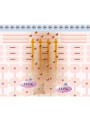
- 4MSK (Potassium Methoxysalicylate) (0.50%): Developed by Shiseido, 4MSK helps target melanocytes. The recommended usage rate is 1-3%. Your concentration (0.5%) is below the recommended effective range. It's water-soluble and sensitive to heat above 60°C. It's also an electrolyte, which might affect formula texture.
- Deoxyarbutin (D-Arbutin) (0.50%): This is a powerful whitening agent, potentially more effective than Alpha Arbutin, but it can cause significant irritation, especially on sensitive skin. The recommended usage is 0.5-2%, with 0.5% recommended to start due to irritation risk. It dissolves in oil/alcohol with gentle heat (50-60°C) and requires a narrow pH range of 5.0-5.8 for stability. The description also suggests using ActiveProtec OX and Vitamin E Acetate for stability, which are not in your formula.
- Licorice Extract (Licochalcone A 1%) (1.00%): The description for this specific extract highlights its anti-inflammatory, anti-irritant, and oil-controlling properties, explicitly stating it is not for skin whitening. Your concentration (1%) is within the range for these benefits. It's water-soluble and prefers a pH of 3.5-6.5.
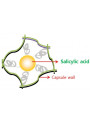
- Complex Salicylic Acid (Powder, Water-Soluble) (2.00%): This provides 0.8% Salicylic Acid (40% active). Salicylic Acid is primarily an exfoliant and anti-acne ingredient, which can help with brightening by increasing cell turnover, but it doesn't directly inhibit melanin synthesis like the other actives. Your concentration is within the allowed limit (up to 2% Salicylic Acid). It's water-soluble and can withstand heat up to 80°C.
- Dimethyl Isosorbide (DMI) (3.00%): A penetration enhancer that helps carry active ingredients into the skin. Your concentration (3%) is at the recommended rate for this purpose. It's compatible with many ingredients and can withstand heat.
- Light Lotion Maker (4.00%): An emulsifier suitable for light textures, capable of binding up to 40% oil. Your concentration (4%) is at the higher end of the recommended range (2-4%), appropriate for emulsifying the oil phase.
- Phospholipid (Hydrogenated Lecithin) (2.00%): Used for encapsulation to improve absorption, solubility, or stability. It's dispersed in oil. Its function depends heavily on the formulation method used.
- Silicone Gel (Ultra Clear) (7.00%): Used to improve texture, spreadability, and provide a non-sticky, silky feel with a potential blurring effect. Your concentration (7%) is a reasonable level for texture modification.
- Mild Preserved Eco (1.00%): A preservative blend. Your concentration (1%) is within the recommended range for general cosmetic formulas.
- Disodium EDTA (0.20%): A chelating agent to improve stability by binding metal ions. Your concentration (0.2%) is at the recommended rate.
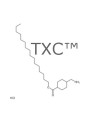
- TXC (Cetyl Tranexamate HCl) (3.00%): A more skin-penetrating derivative of Tranexamic Acid. Your concentration (3%) is at the higher end of the recommended range (1-5%) and is suggested for spot correctors. High levels can cause irritation. It dissolves in glycol or oil with heat (60-80°C) and is not water-soluble.
Overall Assessment and Considerations:
This formula combines a high number of potent whitening and anti-pigmentation ingredients at significant concentrations. This approach aims for maximum efficacy but also carries a high risk of skin irritation, especially with ingredients like Deoxyarbutin and TXC, and the cumulative effect of so many actives.
- Irritation Risk: The combination and concentrations of Alpha Arbutin, Tranexamic Acid, Undecylenoyl Phenylalanine, Niacinamide, Acetyl Glucosamine, Kojic Acid Dipalmitate, Deoxyarbutin, Complex Salicylic Acid, and TXC, especially with the penetration enhancement from DMI and Phospholipid, could be irritating for many skin types. It is highly recommended to perform a patch test before applying this formula to the face.
- pH Management: Achieving a single pH that is optimal for the stability and efficacy of all these ingredients simultaneously will be challenging. Deoxyarbutin requires a narrow pH of 5.0-5.8. Targeting a pH within this range would be a good compromise, as it falls within the acceptable range for most other ingredients, although it may not be the most optimal pH for every single one.
- Stability: The descriptions for Alpha Arbutin and Deoxyarbutin specifically mention using ActiveProtec OX to prevent discoloration. Deoxyarbutin also benefits from Vitamin E Acetate. These stabilizers are not included in your formula and might be necessary to maintain the product's integrity and efficacy over time.
- Solubility and Mixing: Pay close attention to the solubility and mixing instructions for each ingredient. Ingredients like Undecylenoyl Phenylalanine, Kojic Acid Dipalmitate, Deoxyarbutin, TXC, Light Lotion Maker, Silicone Gel, and Phospholipid need to be handled in the oil/glycol/silicone phase with appropriate heat, while others go in the water phase. DMI can help bridge some solubility gaps.
- Ingredient Roles: Be aware that Licorice Extract (Licochalcone A) is included for its anti-inflammatory benefits, not whitening, and Complex Salicylic Acid is primarily for exfoliation/acne, contributing to brightening indirectly.
- 4MSK Concentration: Consider increasing the 4MSK concentration to 1-3% if you want to utilize its specific mechanism effectively, but be mindful of the increased electrolyte load and potential for irritation when combined with other actives.
In summary, this is a very ambitious formula with a strong focus on multiple pathways for treating melasma and brightening. While potentially very effective, the high concentration and number of actives significantly increase the risk of irritation. Careful formulation regarding pH, stability, and mixing procedure is crucial, and patch testing is strongly advised.
Related Products Mentioned
Safe-B3™ (Vitamin B3, Niacinamide)
GlucoBright™ (Acetyl Glucosamine)
Kojic Acid Dipalmitate
Disodium EDTA
Silicone Gel (Ultra Clear, Super Silky)
MSH White™ (Undecylenoyl phenylalanine)
Mild Preserved Eco™ (Preservative-Free)
Tranexamic Acid (Trans-White™)

Yeast Radiance™
4MSK (Potassium Methoxysalicylate)
Deoxyarbutin (D-Arbutin)
TXC™ (Cetyl Tranexamate HCl)
Light Lotion Maker