Custom Sunscreen Formula Review and Manufacturing Inquiry
Question
I want to create a custom facial sunscreen formula for personal use and then send the formula to a company for production, ordering up to their minimum quantity. I would like the staff to review the formula before I send it for production to see if it is suitable.
Here is the formula I propose:
SPF Protect Ultra 22.5%
lipid soft lite 10%
Warp Cream Maker XL 5%
Zinc Oxide 35 nm liquid 5%
Titanium Dioxide 15 nm liquid 5%
PMMA Booster 5%
SelectSorb 5%
WaterGuard Lite 3%
Ectoin 2%
L-Carnosine 1%
Ethyl Ferulate 1%
Licorice Extract (Licochalcone a 1%) 1%
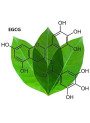
Pure EGCG 1%
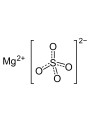
Magnesium Sulfate 1%
QuikBlur 1%
Mild Preserved Eco 1%
Allantoin 0.5%
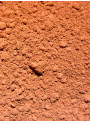
beige Iron Oxide 0.4%
Water remaining amount
1) For the formula to be waterproof, should I use WaterGuard or Polyethylene Wax (soft)? Which is better?
2) Is SelectSorb suitable for absorbing oil?
3) Are there any ingredients in the formula that are likely to clog pores?
4) Is the formula suitable? If not, could the staff please help adjust it?
5) If I want to send the formula for production with the company and I am using PMMA Booster, will the company send it for free SPF and PA testing?
6) Will the company calculate the SPF and PA values for me to see before the lab test? I would like to adjust the formula if the SPF/PA is not sufficient.
7) If I only want to test it for personal use first when submitting the formula for production, should I select "Trial Formula"?
Answer
Formula Review and Manufacturing Questions
Based on the ingredients you've listed and the product descriptions, your proposed sunscreen formula appears to be a comprehensive water-in-oil/silicone emulsion designed for facial use. It incorporates a mix of UV filters, emollients, emulsifiers, oil absorbers, texture enhancers, and beneficial active ingredients. The inclusion of both chemical (SPF Protect Ultra II) and physical (Zinc Oxide and Titanium Dioxide liquids) sunscreens provides broad-spectrum UV protection. The formula also includes ingredients aimed at improving texture, controlling oil, and providing skin benefits like anti-inflammation, anti-oxidation, and soothing.
Here are the answers to your specific questions:
Regarding water resistance (WaterGuard Lite vs. Polyethylene Wax):
Based on the product descriptions, Polyethylene Wax is explicitly mentioned in example water-in-oil sunscreen formulas as helping to make the formula more waterproof and increasing the SPF value. WaterGuard Lite is described as improving waterproof performance but notes that it provides a "Natural thin film" and is "Not very waterproof" compared to WaterGuard Ultra. Therefore, for better water resistance, incorporating Polyethylene Wax would likely be more effective than WaterGuard Lite based on the available information. You mentioned "Polyethylene Wax (soft)"; while a specific "soft" product wasn't detailed, the description for Polyethylene Wax (Hard) includes examples using "Polyethylene Wax (Soft)" for waterproofing, indicating a soft version exists and is suitable for this purpose.Regarding SelectSorb for oil absorption:
Yes, SelectSorb is suitable for absorbing oil. Its description specifically highlights its property of high absorption of oil (particularly skin sebum) while not absorbing water, making it appropriate for reducing skin oiliness and adjusting skin feel in formulations like yours.Regarding potential for clogging:
Your formula includes several ingredients that are generally considered less likely to clog pores. LipidSoft Lite is specifically described as not clogging pores. The physical sunscreens, Zinc Oxide 35nm Liquid and Titanium Dioxide 15nm Liquid (Gloss), are noted as being less likely to clog pores than chemical sunscreens. Other ingredients like Ectoin, L-Carnosine, Ethyl Ferulate, Licorice Extract, Pure EGCG, Allantoin, Magnesium Sulfate, QuikBlur, Mild Preserved Eco, and Beige Iron Oxides EasyMix™ do not have descriptions indicating they are known to cause clogging. While individual reactions can vary, the selection of these ingredients suggests an effort to minimize the potential for pore clogging.Overall formula suitability:
The formula is complex but appears well-designed for a multi-functional facial sunscreen. It combines effective UV protection with ingredients targeting skin feel (LipidSoft Lite, Warp Cream Maker XL, QuikBlur), oil control (SelectSorb, Licorice Extract), and skin health (Ectoin, L-Carnosine, Ethyl Ferulate, Licorice Extract, Pure EGCG, Allantoin). The use of Warp Cream Maker XL is appropriate for creating a light, non-greasy water-in-oil/silicone emulsion suitable for sunscreen and makeup. The inclusion of Magnesium Sulfate is also beneficial as it acts as a stabilizer in water-in-oil formulas. The percentages of UV filters and other key ingredients seem within typical usage rates.However, formulating with this many diverse ingredients, especially those with specific solubility and temperature requirements (like L-Carnosine, Ethyl Ferulate, Pure EGCG, and Licorice Extract which are heat-sensitive, versus the UV filters and emulsifier which require heat), will require careful manufacturing process control to ensure stability, efficacy, and proper incorporation of all components. The manufacturing company will need to follow precise mixing instructions, likely adding heat-sensitive ingredients during the cooling phase.
Free SPF/PA testing with PMMA Booster:
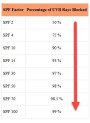
Yes, according to the description for PMMA Booster, the company offers free SPF measurement of the formula if this ingredient is used to increase the SPF value.SPF/PA calculation preview:
The product descriptions provide example SPF/PA values achieved in sample formulas using SPF Protect Ultra II and PMMA Booster at certain concentrations. However, they do not explicitly state that the company provides a theoretical SPF/PA calculation preview for your specific formula before the actual lab test. The final SPF/PA value is determined by the laboratory measurement of the finished product. You would typically get the actual SPF/PA results after the free testing is conducted (if you use PMMA Booster).Trial production ("สูตรทดสอบ"):
Yes, selecting "สูตรทดสอบ" (Trial Formula) when submitting your formula for manufacturing is the correct option if you want to produce a small batch for personal use and evaluation before deciding on larger-scale production. This allows you to test the formula's performance, texture, stability, and overall suitability on your skin before committing to a minimum order quantity for mass production.
Overall, your formula is ambitious and includes many beneficial ingredients. It is suitable for manufacturing, provided the production process can handle the complexity and ensure proper incorporation of all components, especially those sensitive to heat or requiring specific dispersion methods. The company's offer of free SPF testing when using PMMA Booster is a valuable benefit for this formula.
Related Products Mentioned

Allantoin
WaterGuard™ Lite
Beige Iron Oxides EasyMix™
Titanium Dioxide 15nm Liquid (Gloss)
Zinc Oxide 35nm Liquid
Mild Preserved Eco™ (Preservative-Free)

SPF Protect Ultra™ II
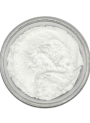
Ectoine (Ectoin, from Bio-fermentation)
WaterGuard™ Spray
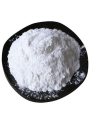
SelectSorb™ (High Oil Absorption PMMA)
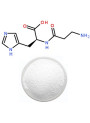
L-Carnosine
Pure-EGCG™ (Green Tea Extract, 98% EGCG)


PMMA Booster (Color Booster)