Day Cream & Sunscreen Formulas: Whitening Actives, Incompatibility, and Stability
Question
I am trying to manage melasma and dark spots without laser treatment. I previously asked about using Activated Resorcinol S during the day and potential issues, but the staff confirmed it doesn't react with light or thin the skin. I suspect my increased dark spots might be due to insufficient or unstable sunscreen.
I have formulated a Day Cream and a Sunscreen and encountered issues. I would like feedback on these formulas:
Day Cream Formula (experienced incompatibility issues):
- Water: 66.87
- Disodium EDTA: 0.2
- Allantoin: 0.13
- Creatine 100: 0.5
- double hya liquid: 1
- NAG: 1.5
- B3: 1.5
- Activated Resorcinol S: 3
- White Cumin 2x: 1
- Pumpkin Renew: 1
- Phenoxyethanol: 0.30
- Satin Mousse (Silky Cream Maker): 2
- LipidSoft Moist: 5
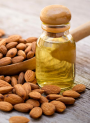
- Sweet Almond Oil: 5
- pentylene glycol: 3
- cyclomenthicone: 6
- Isododecane: 2
Sunscreen Formula (concerned about stability/separation):
- Water: 58.8
- Phenoxyethanol: 0.6
- LipidSoft CC: 11
- Titanium Dioxide easy dis: 1.5
- spf 3
- SPF Protect Ultra: 15
- spf37
- dimenthicone light: 10.00
- Isododecane: 2
- Coenzyme Q10 Extra: 0.3
- Water in Oil EZ: 0.8
What are your thoughts on these formulas, particularly regarding the incompatibility observed in the Day Cream and the potential stability/separation issues with the Sunscreen (as noted by the staff regarding the high oil percentage)?
Answer
Based on the information from the forum thread:
Regarding the effectiveness of ODA White plus 2% for melasma, freckles, and dark spots:
According to one user (cosmeceutical7), there is currently no official research specifically on ODA White's effectiveness for melasma as it is a relatively new ingredient. They suggest that ingredients like Azelaic Acid, Tranexamic Acid, or AHAs (such as glycolic acid) have more established research supporting their effectiveness for melasma.
Regarding your proposed day cream formula containing ODA White 2%, B3 2%, NAG 2%, White Cumin 2x 1.5%, and other ingredients:
The staff believes this formula can be mixed and should show whitening results and help reduce dark spots.
Regarding the use of Activated Resorcinol S in a day cream and potential causes for increased dark spots:
The staff confirms that Activated Resorcinol S does not react with light and does not thin the skin when used at the manufacturer's recommended concentration. Therefore, it can be used in a day cream. If you experienced increased dark spots while using a formula with Activated Resorcinol S, it is unlikely due to the ingredient reacting with light or causing skin thinning. A more probable cause is insufficient or unstable sunscreen protection throughout the day, as sun exposure directly impacts the skin when sunscreen effectiveness wears off.
Regarding your sunscreen formula:
The staff calculated the oil phase in your sunscreen formula to be around 38%, which is considered too high for the Water in Oil EZ emulsifier and may lead to separation over time, even if it mixes initially. They recommend reducing the oil phase to 30-33% for better stability. The staff believes the level of sun protection provided by your formula is sufficient for preventing melasma. They emphasize that long-lasting stability of the sunscreen throughout the day is more crucial than a very high SPF number, as sunscreen effectiveness can decrease over time without you realizing it.
Related Products Mentioned
Safe-B3™ (Vitamin B3, Niacinamide)

Allantoin
GlucoBright™ (Acetyl Glucosamine)
Phenoxyethanol (Extra Pure)
Dimethicone (Medium/350, Low-Odor)
Disodium EDTA

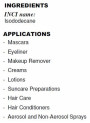
Isododecane (Germany)

Satin Cream Maker™

Trans-White™
AminoSilk™ (Lauroyl lysine)
LipidSoft™ CC (Cetyl Ethylhexanoate)

Coenzyme Q10 Extra
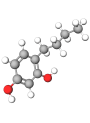
Glycopure™ (Glycolic Acid (AHA) Powder)
Purified Water, TDS Limit 1PPM)

ODA-White Plus™
Creatine 100
Pumpkin Renew™ ผลัดเซลล์ผิวอ่อนโยน