Daytime vs. Nighttime Use of Active Ingredients and Stability
Question
Regarding active ingredients, some are not suitable for daytime use, such as those that cause skin irritation or exfoliation. These are kept for nighttime use. For example, we don't use AHA, BHA during the day. For other ingredients, there's no need to worry about degradation as the staff mentioned. Could you clarify which types of active ingredients are best suited for daytime versus nighttime use, considering stability and potential skin reactions?
Answer
Ingredient Sensitivity in Daytime Products and Choosing Day vs. Night Actives
Based on your question and the discussion, here's a clarification regarding ingredient sensitivity and selecting active ingredients for daytime versus nighttime products:
Ingredient Stability When Applied to Skin
Ingredients that are sensitive to heat and light during storage (requiring cool, dark conditions) do not typically degrade immediately upon application to the skin and exposure to sunlight. While all cosmetic ingredients can degrade over time with UV exposure, the degradation is not so rapid that you wouldn't receive the benefits from a product applied during the day. The primary concern for light/heat sensitivity is the long-term storage of the product to ensure its potency throughout its shelf life.
Choosing Active Ingredients for Day vs. Night
Aside from product texture (which is often lighter for daytime and richer for nighttime), the main factor in choosing active ingredients for day versus night use is their potential effect on the skin, particularly regarding irritation and photosensitivity:
- Most active ingredients are stable enough for use in both daytime and nighttime products.
- However, certain ingredients are best reserved for nighttime routines because they can increase skin sensitivity to the sun or cause irritation:
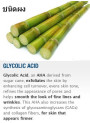
- Exfoliating Acids: Ingredients like AHAs (Alpha Hydroxy Acids) and BHAs (Beta Hydroxy Acids) are known to increase skin cell turnover, which can make the skin more susceptible to sun damage and irritation. Examples include Glycolic Acid and Lactic Acid (types of AHA), and Salicylic Acid (a BHA). Using these at night allows the skin to benefit from exfoliation without immediate sun exposure, although daily sunscreen use is always recommended when using such products.
Therefore, while ingredient stability to light in the bottle is crucial for storage, the decision to use an active ingredient during the day or night on the skin is more often driven by its potential to cause irritation or photosensitivity.
Related Products Mentioned
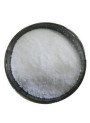
Salicylic Acid (BHA, Pharma Grade)