Dermarolling and Skincare Ingredients for Acne Scars and Oily Skin
Question
I have questions about using skincare ingredients with dermarolling for acne scars and managing oily, acne-prone skin:
- Is it recommended to use Rose Hip Oil directly while performing dermarolling, or should it be applied after the procedure for scar healing?
- For treating acne scars with dermarolling, which is generally considered more effective: Copper Peptide (like Copper Tripeptide-1) or Matrixyl 3000 (Palmitoyl Oligopeptide and Palmitoyl Tetrapeptide-7)? What are the key differences in their mechanisms for scar repair?
- Can a combination of BHA Toner (Salicylic Acid) and Rose Hip Oil be used effectively on oily skin prone to acne? How might this combination affect oily skin, and are there any precautions?
Answer
Dermarolling and Ingredients for Acne Scars
Regarding your questions about using ingredients with dermarolling for acne scars and managing oily skin with acne:
Rose Hip Oil with Dermarolling
Using Rose Hip Oil directly while performing dermarolling is generally not recommended. Dermarolling creates micro-wounds on the skin, and applying an oil like Rose Hip Oil during the procedure could potentially cause irritation or clog the open pores.
Rose Hip Oil is beneficial for scar healing and skin regeneration due to its fatty acid content. It is best used after the skin has had some time to begin healing, typically starting about 1 day after the dermarolling session. Applying it then can help nourish the skin and improve the appearance of scars.
Copper Peptide vs. Matrixyl 3000 for Acne Scars
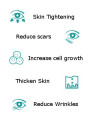
Both Copper Peptide and Matrixyl 3000 are ingredients known for their collagen-stimulating properties, which can aid in skin repair and reduce the appearance of wrinkles and scars.
- Copper Peptide (such as Copper Tripeptide-1) is often recommended for use during dermarolling for acne scars. Research suggests it has a strong ability to help rebuild the skin's extracellular matrix, which is crucial for filling in depressed scars like acne scars. It actively supports the regeneration process in the deeper layers of the skin.
- Matrixyl 3000 (a blend of Palmitoyl Oligopeptide and Palmitoyl Tetrapeptide-7) also stimulates collagen synthesis and aids in wound healing. While beneficial for overall skin repair and reducing wrinkles, its effectiveness in rebuilding the specific matrix structure damaged by acne scars may be less pronounced compared to Copper Peptide, based on current understanding and research. It is a good ingredient for general anti-aging and skin support.
Therefore, for the specific goal of treating acne scars with dermarolling, Copper Peptide is generally considered more targeted and effective for use during the procedure.
Using BHA Toner and Rose Hip Oil on Oily Skin with Acne
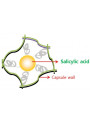
Using a BHA toner (containing Salicylic Acid) can be helpful for oily skin prone to acne. BHA is oil-soluble, allowing it to penetrate pores, exfoliate dead skin cells, and help unclog them. This can reduce blackheads and whiteheads and help manage mild acne.
Rose Hip Oil, while beneficial for scars and skin nourishment, is an oil and can feel heavy on oily skin. While BHA helps with pore congestion, applying an oil afterward might still feel oily or potentially contribute to clogged pores in some individuals, depending on the specific product formulation and your skin's reaction.
If you want to use Rose Hip Oil for its scar-healing benefits on oily skin, consider applying it sparingly or only to the areas with scars, rather than the entire face, especially if you are prone to breakouts. Using a BHA toner beforehand can help keep pores clear, which might reduce the likelihood of new clogs, but it doesn't guarantee that the oil won't feel heavy or cause issues for your skin type. Pay attention to how your skin responds to this combination.
Other Ingredients for Dermarolling and Scar Healing
Besides Copper Peptide, other ingredients often used with dermarolling to promote skin regeneration and scar healing include Hyaluronic Acid (for hydration and plumping) and growth factors. Always ensure any product used during dermarolling is sterile and formulated for this specific application to minimize the risk of infection or adverse reactions.
Related Products Mentioned

Pal-GHK, Pal-GQPR (eq Matrixyl 3000)
Rosehip Oil (Virgin, Fresh)