Developing High SPF Chemical Sunscreen Lip Balm
Question
I want to create a high-SPF sunscreen lip balm (SPF > 30, 45, 50) because existing high-SPF options are imported, hard to find, and expensive.
- Could you provide the required ingredients for a high-SPF chemical sunscreen formulation?
- Do you sell chemical sunscreen ingredients like
octinoxateandoxybenzone? Are there plans to sell them, as they seem popular in international formulations?
Answer
Sunscreen in Cosmetics (Creams, Lip Balms)
Here is information regarding your questions about using sunscreens in cosmetics, specifically focusing on high-SPF lip balms and chemical sunscreens.
Zinc Oxide Usage and SPF
How much Zinc Oxide to use?
The appropriate amount of Zinc Oxide depends on the specific type of Zinc Oxide used and the desired SPF level. Generally, for sunscreen applications, the usage rate can range from 5% to 25%. Some dispersed forms might have higher recommended usage rates based on the percentage of active Zinc Oxide they contain. For example, Zinc Oxide 200nm EasyDisperse™ is typically used at 5-25%.Does concentration correlate with SPF?
Yes, generally, increasing the concentration of a sunscreen ingredient will increase the SPF. However, the relationship is not linear. Doubling the concentration does not necessarily double the SPF. The final SPF value is influenced by the specific combination of filters, the overall formulation, and how well the sunscreen particles are dispersed.How to calculate SPF?
Precisely calculating the SPF of a finished product is complex and typically requires in-vitro (laboratory) or in-vivo (on human skin) testing. While some individual ingredients might have rough SPF contributions per percentage (e.g., 1% Oxybenzone ≈ SPF 1.5), the interaction of multiple filters and the product base makes simple calculation unreliable for the final product claim. Some raw material suppliers provide online simulators (like the BASF simulator mentioned in some product descriptions) that can give an estimated SPF based on the formulation, but these are approximations. For a product to be marketed with an SPF claim, it must undergo standardized testing.
Chemical Sunscreens for High SPF Lip Balm
For achieving high SPF (e.g., SPF 30, 45, 50) in a lip balm using chemical sunscreens, a combination of filters is usually needed to provide broad-spectrum protection (both UVA and UVB) and ensure stability.
Key chemical sunscreen ingredients available include:
- Avobenzone: Excellent UVA filter. It needs to be stabilized, often by combining with ingredients like Octocrylene or Oxybenzone.
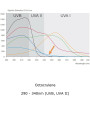
- Octocrylene: Primarily a UVB filter that also helps stabilize Avobenzone.
- OMC (Octinoxate): Primarily a UVB filter.
- Oxybenzone: Protects against UVB and short UVA. Can help stabilize Avobenzone.
- Homosalate: Primarily a UVB filter.
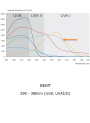
- BEMT (Bis-Ethylhexyloxyphenol Methoxyphenyl Triazine): A highly stable, broad-spectrum filter protecting against both UVA and UVB.
To achieve high SPF, formulators often use a blend of these filters, keeping in mind the maximum allowed concentration for each ingredient according to regulatory guidelines (e.g., FDA limits). For a lip balm, selecting oil-soluble filters or dispersions that are compatible with waxes and oils is important.
Regarding your question about Octinoxate (OMC) and Oxybenzone, yes, these ingredients are available for sale.
Creating a high-SPF lip balm requires careful formulation to ensure the sunscreens are effectively dispersed and stable within the base, in addition to achieving the desired SPF and texture. Testing the final product is essential to confirm the actual SPF value.
Related Products Mentioned
Zinc Oxide 200nm EasyDisperse™
Octocrylene
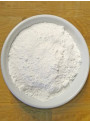
Zinc Oxide (Micronized)
Oxybenzone (Benzophenone-3)