Developing High SPF/PA Waterproof Sunscreen for Oily, Acne-prone, Sensitive Skin
Question
I am looking to develop a high-performance, waterproof sunscreen formulation suitable for oily, acne-prone, and sensitive skin. The target is to achieve SPF 70 and PA+++++.
Answer
Thank you for your question. I understand you are looking to create a high-performance, waterproof sunscreen formulation suitable for oily, acne-prone, and sensitive skin, targeting SPF 70 and PA+++++.
Developing a sunscreen formula to achieve specific high SPF and PA values, as well as waterproof properties, is a complex process that requires expertise and testing according to specific standards. Please note that the highest currently recognized PA value is PA++++.
For sensitive and acne-prone skin, using Physical Sunscreens like Zinc Oxide and Titanium Dioxide is often recommended as they are generally less likely to clog pores and cause irritation compared to chemical sunscreens.
Based on the product information I found, there are several types of Zinc Oxide and Titanium Dioxide that are interesting for consideration in a sunscreen formula, especially those developed for good dispersion in various bases and properties that help reduce the white cast on the skin, such as:
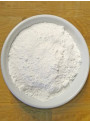
- Zinc Oxide (Micronized): A small particle size Zinc Oxide suitable for sunscreen products.
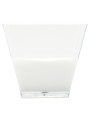
- Zinc Oxide 40nm Dispersion (Water Base): A nano Zinc Oxide in a water base, provides UVA/UVB protection, has a lightweight texture, and does not cause whiteness. Suitable for water-based formulas.
- Zinc Oxide Transparent Dispersion (Isopropyl Palmitate Base): A nano Zinc Oxide in an oil/silicone base, provides UVA/UVB protection, has a lightweight texture, and does not cause whiteness. Suitable for oil or silicone-based formulas.
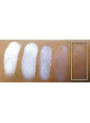
- Titanium Dioxide Transparent (15nm, Water-Dispersion): Very small particle size Titanium Dioxide that helps prevent white cast and disperses well in water. Suitable for Oil-in-Water sunscreen formulas requiring a lightweight feel.
Choosing Zinc Oxide and Titanium Dioxide with appropriate particle sizes and surface coatings that help them disperse well in the formulation will affect the sunscreen's UV protection efficacy, texture, and water resistance.
In addition to the UV filters, selecting other ingredients in the formula, such as oil-control agents, soothing ingredients, and a non-comedogenic base, is also crucial for oily and acne-prone skin.
Since developing a sunscreen formula to achieve high SPF/PA and water resistance requires precise calculation of sunscreen ingredient ratios and thorough testing for efficacy and stability, it is recommended to consult directly with a cosmetic formulation expert to create a safe and effective formula that meets your specific needs.