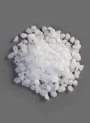
Difference and Function of Cetearyl Alcohol and Cetostearyl Alcohol
Question
Are Cetearyl Alcohol and Cetostearyl Alcohol the same ingredient?
Please explain:
- Their functions in cosmetic formulations (e.g., as thickeners, stabilizers, co-emulsifiers, emollients).
- How they are typically used (e.g., in the oil phase, requiring heat).
- Any potential issues or characteristics (e.g., affecting texture, potential for white cast).
I understand they are a blend of Cetyl Alcohol and Stearyl Alcohol, and the ratio can vary (e.g., 30:70, 50:50, 70:30), influencing the final texture.
Answer
Understanding Cetearyl Alcohol and Cetostearyl Alcohol
Yes, Cetearyl Alcohol and Cetostearyl Alcohol are essentially the same substance. They are a blend of two fatty alcohols: Cetyl Alcohol and Stearyl Alcohol.
While they are the same substance chemically, the specific ratio of Cetyl Alcohol to Stearyl Alcohol can vary between manufacturers (common ratios include 50:50 or 30:70). This variation in ratio can slightly influence the texture and feel of the final cosmetic formulation.
Both Cetearyl Alcohol and Cetostearyl Alcohol function as:
- Thickeners and Stabilizers: They help give body and stability to creams and lotions.
- Co-emulsifiers: While they cannot emulsify oil and water on their own, they assist other emulsifiers in creating stable emulsions.
- Occlusive Emollients: They form a protective layer on the skin, helping to reduce moisture loss and provide a moisturizing effect.
They are typically used in the oil phase of a formulation and require heating to dissolve. It's worth noting that they can sometimes leave a white cast on the skin, and an alternative like Pentaerythrityl Distearate might be preferred if this is a concern.
Related Products Mentioned
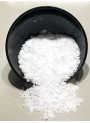
Cetyl Alcohol
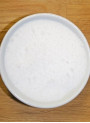
Cetearyl Alcohol (50/50, e.q. Lanette O)
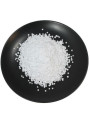
Stearyl Alcohol