Difference and Uses of Squalene vs Squalane
Question
What is the difference between Squalene and Squalane, and what are their respective uses in cosmetic formulations?
Answer
Squalene vs Squalane: Understanding the Difference
Squalene and Squalane are two different ingredients, although their names are very similar. The key difference lies in their stability and typical uses in cosmetic formulations.
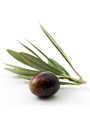
Squalane (e.g., Squalane from Olive): This is a saturated and stable form of Squalene. It is lightweight, non-greasy, and very similar to the natural oils produced by our skin (sebum). Squalane is easily absorbed and is excellent for moisturizing, softening the skin, reducing dryness, and improving skin elasticity. It is suitable for all skin types, including sensitive and acne-prone skin, and is widely used in skincare products.
- Relevant Product: Squalane (Olive)
Squalene (Synthetic, e.g., Hydrogenated Polyisobutene): This is an unsaturated form, which is less stable and can oxidize. The synthetic version, often listed as Hydrogenated Polyisobutene, is typically more viscous and is synthesized to mimic some properties of Squalene but is primarily used for different purposes in cosmetics. It is commonly used to add shine and adjust the texture or viscosity of oil-based products, such as lipsticks and lip glosses. While it can offer some emollient properties, it is not generally used for skin conditioning in the same way as Squalane.
- Relevant Product: Squalene (Synthetic, For Lip Gloss)
Therefore, synthetic Squalene (Hydrogenated Polyisobutene) is not used for skin conditioning purposes in the same manner or with the same benefits as natural or olive-derived Squalane.
Related Products Mentioned
Squalane (Olive)