Difference Between BB/CC Cream Powder Ingredients and Loose Powder
Question
Why can't I mix the powder ingredients found in BB/CC cream (like pigments, fillers, silicones) with loose powder to create a product with the texture and properties of BB/CC cream? What are the key differences between BB/CC cream and loose powder formulation regarding powder ingredients?
Answer
Powder Ingredients in BB/CC Cream and Their Use with Loose Powder
BB and CC creams are generally cream or liquid products, consisting of both oil, water, and powder phases to achieve the desired texture, coverage, and other properties.
Common powder ingredients used in BB/CC creams and foundations include:
Pigments: These are key ingredients that provide color and help with coverage, such as:
- Titanium Dioxide: Provides white color and coverage, as well as UV protection (though in BB/CC creams, its role is often more as a pigment than a primary sunscreen). Various types exist, such as Titanium Dioxide 250nm Pigment or Titanium Dioxide FoundationPro™ which is specifically developed for use in liquid foundations.
- Iron Oxides: Provide various colors like red, yellow, and black, which are blended to match skin tones. Different types are available, including Iron Oxides Red (FoundationPro™), Iron Oxides Yellow (FoundationPro™), and Iron Oxides Black (FoundationPro™).
Fillers/Texturizers: These help adjust texture, spreadability, oil absorption, and adherence.
- Talc: A popular filler powder, it adds softness and helps with easy spreading, such as Talc Powder.
- Mica: Adds softness, lightness, and can help blur imperfections, such as Mica Powder.
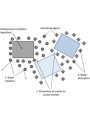
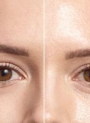
- Silica: Has various properties, including oil absorption (like Anti-Caking Silica), skin blurring (like UltraBlur™), or texture modification.
- Kaolin: A clay that absorbs oil well, suitable for powders and masks, such as Kaolin (China Clay).
- Boron Nitride: Adds luminosity or soft-focus effect and helps the product adhere better to the skin, such as WhiteShine6™ (Boron Nitride).
- Nylon-12: Provides a creamy feel, reduces shine, and improves spreadability and adherence (pay-off), such as Nylon-12.
Mixing Powder Ingredients with Loose Powder:
As discussed in the forum thread, BB/CC creams are formulated as creams or liquids, primarily containing a liquid phase (like water, oils, silicones). Simply taking these powder ingredients and mixing them with existing loose powder will result in a "tinted loose powder" or "powder foundation," which will have significantly different properties and textures compared to a cream-based BB/CC cream.
The tinted loose powder obtained by mixing pigments and other powders will help adjust skin tone and provide some level of coverage, but it will not offer the same feel, spreadability, or adherence as a BB/CC cream, which contains liquid components and agents that help it adhere to the skin.
If you aim to create a product similar to BB/CC cream, you would need a complete formulation including the liquid phase and emulsifiers to form an emulsion, which is the main structure of BB/CC cream.
However, if you simply wish to create a tinted loose powder with added properties, you can use pigments (Titanium Dioxide, Iron Oxides) and texture/oil-absorbing powders (like Talc, Mica, Silica, Kaolin, Boron Nitride, Nylon-12) in appropriate ratios with your existing loose powder to achieve a tinted loose powder with enhanced color, coverage, or oil control.
Related Products Mentioned

WhiteShine6™ (Boron Nitride 6micron)
Anti-Caking Silica
UltraBlur™ (Skin Blurring Silica)
Titanium Dioxide FoundationPro™
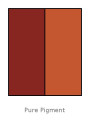
Iron Oxides Red (FoundationPro™)
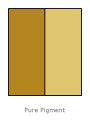
Iron Oxides Yellow (FoundationPro™)
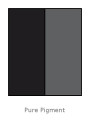
Iron Oxides Black (FoundationPro™)