Difference between Cetyl Alcohol (Vegetable) and regular Cetyl Alcohol, usage with Glyceryl Stearate SE, and required temperature
Question
What is the difference between Cetyl Alcohol and Cetyl Alcohol (Vegetable)? Can Cetyl Alcohol (Vegetable) be used interchangeably with regular Cetyl Alcohol? How does Cetyl Alcohol (Vegetable) work together with Glyceryl Stearate SE in a cream formulation, and what temperature (specifically around `60°C`) is required for melting these ingredients?
Answer
Difference between Cetyl Alcohol and Cetyl Alcohol (Vegetable)
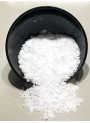
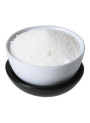
The primary difference between Cetyl Alcohol and Cetyl Alcohol (Vegetable) lies in their source. Chemically, they are the same compound, a fatty alcohol used as a thickener and emollient in cosmetic formulations. Cetyl Alcohol (Vegetable) is specifically derived from plant sources, which can be a preference for those seeking plant-based ingredients.
Substitutability and Usage with Glyceryl Stearate SE
Yes, Cetyl Alcohol from a vegetable source can generally be used interchangeably with Cetyl Alcohol from other sources in formulations. Their function in thickening creams and providing emollience will be the same.
Both Cetyl Alcohol and Glyceryl Stearate SE are commonly used together as thickeners and stabilizers to create a creamy texture. Glyceryl Stearate SE is a self-emulsifying type that helps bind oil and water, while Cetyl Alcohol contributes to the viscosity and feel of the cream.
Temperature for Cream/Gel Formulation
When using ingredients like Cetyl Alcohol and Glyceryl Stearate SE to create a cream texture, they typically need to be melted with heat. Based on the product information, both ingredients require heating to approximately 60°C to become liquid before being mixed into the oil phase of your formulation.
It's important to note that if you have heat-sensitive ingredients in your formula or prefer a simpler process, there are alternative cold-process cream makers available that do not require heating.
Related Products Mentioned