Difference between Fresh Aloe Vera and Extract in Formulations: Stability & Preservation
Question
What are the differences between using fresh blended aloe vera pulp compared to using water, Aloe Vera Extract, and a gelling agent in a formulation? Also, can a "preservative maker" be used instead of a broad-spectrum preservative?
Answer
Difference Between Fresh Aloe Vera and Aloe Vera Extract in Formulations
Using fresh blended aloe vera pulp in a cosmetic formulation compared to using water, aloe vera extract, and a gelling agent has significant differences, primarily related to stability and preservation.
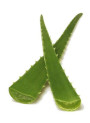
When you use fresh aloe vera, the main challenge is the uncontrolled microbial load. Fresh plant material naturally contains various microorganisms. Even if you add a preservative, the initial level of contamination can vary greatly from batch to batch. This makes it very difficult to ensure that the preservative system is effective enough to prevent spoilage consistently over time. The formulation's stability and safety become unpredictable.
In contrast, using a standardized aloe vera extract (like Aloe Vera Extract 10:1 FullAssay™) provides a much more controlled starting material. Extracts are processed to reduce microbial contamination significantly, offering a consistent quality. When combined with purified water and a suitable gelling agent (such as ThixoGel™ or CornThick™) to create the desired texture, you have a stable base that is much easier to preserve effectively with a broad-spectrum preservative (like Mild Preserved™ COS or NaturePreserve™ Ultra).
Importance of Preservatives
Regarding your question about using only a "preservative maker" without a preservative, it seems there might be a misunderstanding. A "preservative maker" is not a substitute for a preservative. Water-based formulations, like aloe vera gel, are highly susceptible to microbial growth (bacteria, mold, yeast). Without a proper broad-spectrum preservative, these microorganisms will multiply, causing the product to spoil, change in appearance, odor, and potentially become unsafe to use. Products like Aloe Vera Gel (Heavy) and Aloe Vera Gel (Lite) already contain preservatives like Phenoxyethanol to ensure stability.
Therefore, simply using ingredients that might aid preservation (if that's what "preservative maker" refers to) is not sufficient. A well-chosen and correctly used broad-spectrum preservative is essential to inhibit microbial growth and give your product a safe and stable shelf life. Relying solely on fresh ingredients, even with some form of preservation aid, is not recommended for product longevity or safety, especially if you intend to make products for others or for sale.
Related Products Mentioned
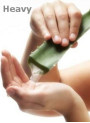
Aloe Vera Gel (Heavy)


ThixoGel™ (Thixotropic Gel Maker)
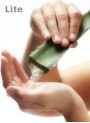
Aloe Vera Gel (Lite)