Difference Between Mineral and Translucent Powder & Formulation for Translucent Loose Powder
Question
What is the difference between mineral powder and translucent powder?
I want to make a loose powder that is:
- Lightweight
- Oil-controlling
- Can set foundation well
- Colorless
What ingredients should be used?
Answer
Difference Between Mineral Powder and Translucent Loose Powder and Ingredients for Your Desired Powder
Based on your question and the information provided by cosmeceutical7, we can explain the difference and the ingredients needed for the loose powder you are looking for.
Difference Between "Mineral" and "Translucent"
- Mineral refers to the source of the powder ingredients, which come from minerals such as Mica, Talc, Silica, etc. Therefore, Mineral powder is a powder that primarily uses ingredients derived from minerals.
- Translucent refers to the finish of the powder when applied to the skin. Translucent powder is sheer, colorless, or has very little color that does not change the natural skin tone. Its main functions are to help set makeup, make the skin look smoother, and control oil, without adding coverage.
Thus, "Mineral" and "Translucent" are not opposites. A Translucent powder can be a Mineral powder if its main ingredients are derived from minerals.
Ingredients for a Lightweight, Oil-Controlling, Foundation-Setting, Colorless Loose Powder (Translucent Loose Powder)
To achieve the properties you desire – lightweight, oil control, good setting ability, and colorless – the main ingredients commonly used with these properties include:
Base Powder:
- Talc Powder: A commonly used base ingredient in loose powders, providing a lightweight, smooth feel, easy spreadability, and helping the powder adhere well to the skin. Various types are available, such as:
- Talc Powder (5 Micron, Methicone Coated): Coated with Methicone for extra softness and smoothness, easy spreading, and moderate water resistance, helping the powder adhere better to the skin.
- Talc Powder (5 Micron, Silane Coated): Coated with Triethoxycaprylylsilane, which provides better water resistance than Methicone coating, making the powder long-lasting and preventing color change when exposed to sweat or skin oil.
- Talc Powder (Non-Coated, 325 Mesh, >90% Whiteness): Uncoated Talc, providing whiteness, suitable as a general base ingredient.
- Talc Powder: A commonly used base ingredient in loose powders, providing a lightweight, smooth feel, easy spreadability, and helping the powder adhere well to the skin. Various types are available, such as:
Oil Control Agent:
- Silica: Has good oil absorption properties, helping the skin look matte and less shiny.
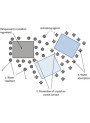
- Anti-Caking Silica: Helps absorb moisture and prevents powder clumping, keeping the powder in good condition and easy to spread.
- UltraBlur™ (Skin Blurring Silica): A type of Silica focused on blurring the skin for a smoother appearance, but with less oil absorption capacity than general Silica. If strong oil control is needed, other types of Silica may be used in combination.
- Silica: Has good oil absorption properties, helping the skin look matte and less shiny.
Adherence Agent:
- Magnesium Stearate: A powder that helps increase the adherence of the powder to the skin, making the powder long-lasting and helping to set makeup effectively.
Conclusion:
To create a lightweight, oil-controlling, and foundation-setting Translucent loose powder, you should select Mineral Powder ingredients with suitable properties. Use Talc as a base powder for lightness and spreadability, add Silica to help control oil, and include Magnesium Stearate to help the powder adhere to the skin and set foundation effectively.
Related Products Mentioned
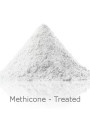
Talc Powder (5 Micron, Methicone Coated)
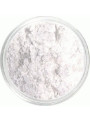
Magnesium Stearate
Talc Powder (5 Micron, Silane Coated)
Anti-Caking Silica