Difference between Whitening Essence and Dark Spots Corrector and Mixing Safety
Question
What is the difference between a whitening essence and a dark spots corrector? Do they have different ingredient concentrations or regulatory limits (e.g., for Alpha Arbutin)? Is it safe to mix a whitening essence with a dark spots corrector?
Answer
Understanding Whitening Essence vs. Dark Spots Corrector
Based on your question and the helpful insight from cosmeceutical7, the distinction between "whitening essence" and "dark spots corrector" is often more about marketing than fundamentally different ingredients or regulatory standards.
Both types of products are designed to address hyperpigmentation, such as dark spots, sun spots, and uneven skin tone. They typically contain active ingredients that work to reduce melanin production or fade existing pigment.
Common Ingredients
While the concentration and specific combination of ingredients can vary, you'll often find similar active ingredients in both essences and spot correctors. Some common examples include:
- Alpha Arbutin: A derivative of hydroquinone that helps inhibit the enzyme tyrosinase, which is involved in melanin production.
- Niacinamide (Vitamin B3): Can help reduce the transfer of melanin to skin cells and also offers other benefits like improving skin barrier function and reducing inflammation.
- Vitamin C (L-Ascorbic Acid and derivatives): A powerful antioxidant that can help brighten skin, fade dark spots, and protect against environmental damage.
- Kojic Acid: Produced by fungi, it also works by inhibiting tyrosinase activity.
Spot correctors might be formulated with slightly higher concentrations of certain actives or delivered in a more targeted formula (like a thicker serum or cream) meant for application on specific areas, whereas essences are often lighter in texture and intended for overall facial application.
However, as cosmeceutical7 mentioned, both fall under the same cosmetic regulations regarding maximum allowable concentrations of ingredients.
Mixing Products and Allergy Risk
Regarding mixing products yourself, it is generally not recommended for consumers to mix different finished cosmetic products (like mixing a whitening essence with a dark spots corrector).
Here's why:
- Instability: Finished cosmetic products are carefully formulated for stability. Mixing them can disrupt their delicate balance, potentially causing active ingredients to degrade, lose effectiveness, or become unstable.
- Unpredictable Interactions: Different ingredients and formulations can interact in unexpected ways, leading to reduced efficacy or the formation of irritating or allergenic compounds.
- Increased Risk of Irritation/Allergy: Combining multiple products, especially those with high concentrations of active ingredients, significantly increases the risk of skin irritation, redness, dryness, peeling, or allergic reactions. The pH levels of the products might also be incompatible, causing issues.
- Incorrect Concentration: You cannot accurately control the final concentration of active ingredients when mixing finished products, which could lead to using concentrations that are too high and potentially harmful.
Safer Approach
Instead of mixing products yourself, it is safer and more effective to:
- Layer Products: Use different products with complementary ingredients in sequence (e.g., apply an essence followed by a spot corrector), allowing each product to absorb properly.
- Choose Multi-Tasking Products: Look for well-formulated products that already contain a combination of beneficial ingredients.
- Seek Expert Advice: If you are looking for a specific combination or higher concentration, consult with a dermatologist or a cosmetic formulator who can create a safe and effective custom formulation for you.
Focusing on using well-formulated individual products suitable for your skin type and concerns is the best way to achieve results while minimizing the risk of adverse reactions.
Related Products Mentioned
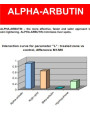
Alpha Arbutin (Switzerland)
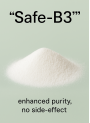
Safe-B3™ (Vitamin B3, Niacinamide)
Vitamin C (L-ascorbic acid) (Ultra-Fine)