Differences and Usage of Beta Glucan vs. Prebiotics (Alpha Glucan) for Skin
Asked by: joopjoopmoo
On: March 13, 2019
Product Type:
Cosmetics
Answered
Question
I would like to know the differences between Beta Glucan and prebiotics like Alpha Glucan, besides molecular size. What are the differences in terms of effectiveness and other aspects?
Should they be used together or separately? Which one do you recommend using?
Thank you.
Answer
Beta Glucan vs. Prebiotics (Alpha Glucan, Galactooligosaccharide, D-Mannose) for Skin
Beyond molecular size, Beta Glucan and prebiotics like Alpha Glucan, Galactooligosaccharide, and D-Mannose have distinct differences in their sources, mechanisms of action, and primary benefits for the skin.
Key Differences:
- Source: Beta Glucan can be derived from various sources, including yeast (like in product 221) and oats (like in products 31742 and 31743). Prebiotics are typically carbohydrates that feed beneficial microorganisms; examples include Galactooligosaccharide (product 11185) and D-Mannose (Prebio-Man, product 125233), which is a sugar found in plants.
- Mechanism and Benefits:
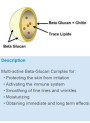
- Beta Glucan: Primarily works by interacting with immune cells in the skin (like Langerhans cells) to strengthen the skin's natural defense mechanisms. It helps reduce allergic reactions and irritation, promotes wound healing, provides hydration, improves skin elasticity, and has anti-aging effects by reducing the appearance of wrinkles.
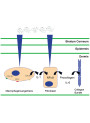
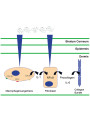
- Prebiotics: Function by selectively feeding the beneficial bacteria on the skin's surface, helping to balance the skin's microbiome. This balance is crucial for maintaining a healthy skin barrier and reducing inflammation. For example, D-Mannose has been shown to reduce inflammation and symptoms of conditions like atopic dermatitis by blocking specific inflammatory pathways.
Usage: Together or Separately?
Beta Glucan and prebiotics can be used together or separately, depending on the desired outcome. They offer complementary benefits:
- Using Beta Glucan alone is beneficial for strengthening the skin barrier, reducing irritation, and providing hydration and anti-aging effects.
- Using Prebiotics alone is helpful for balancing the skin microbiome, reducing inflammation, and soothing redness, particularly for sensitive or problematic skin.
- Using both together can provide a more comprehensive approach to skin health, addressing both the skin's immune response/barrier function and the health of its microbial ecosystem.
Recommendation:
The best choice depends on your specific skin concerns:
- If your primary goal is to strengthen the skin's defenses, reduce general irritation, and improve hydration and elasticity, Beta Glucan (from yeast or oats) is highly recommended.
- If you are dealing with inflammation, redness, or want to support a healthy skin microbiome, a prebiotic like D-Mannose is a great option.
- For overall skin resilience and health, especially for sensitive or reactive skin, consider using both Beta Glucan and a prebiotic in your formulation.
Related Products Mentioned
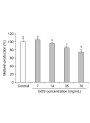
Galactooligosaccharide (GOS)
Cosmetics
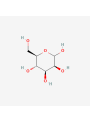
Prebio-Man (D-Mannose Skin Prebiotic)
Cosmetics