Differences and Usage of Silver and Licorice Extracts
Question
What are the differences in properties and usage among various forms of silver (ionic, colloidal, powder) and different types of licorice extract, particularly those used for anti-inflammatory purposes?
Answer
Silver Product Differences
The silver products you asked about differ mainly in their form, the type of silver they contain (ionic vs. colloidal), their suitable pH range, and stability.
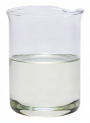
- Silver (2000ppm, Ionic, Colorless Solution, pH 4-6): This is an ionic silver solution dissolved in water, suitable for acidic formulas (pH 2-7). It is a colorless liquid. Ionic silver is highly effective at killing germs. However, this form has lower stability compared to colloidal silver and needs to be protected from light and high heat. It is also incompatible with salts, electrolytes (including EDTA), and cationic surfactants. It is recommended for leave-on products.
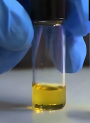
- Nano Silver (2000ppm, Colloidal, Yellow Solution): This is a colloidal silver solution suspended in water. It appears as a clear yellow liquid and is suitable for neutral to alkaline formulas (pH 6-12). Colloidal silver is also highly effective at killing germs and is more stable than ionic silver, though it still cannot withstand high heat. Like the ionic solutions, it should not be used with salts, electrolytes, or cationic surfactants. It is recommended for leave-on products.
- Silver (2000ppm, Ionic, Colorless Solution, pH 10-12): This is another ionic silver solution, colorless, but specifically formulated for alkaline formulas (pH 8-12). Its properties regarding germ killing efficacy, stability (lower than colloidal), and incompatibilities (salts, electrolytes, cationic surfactants, heat, light) are similar to the pH 4-6 ionic silver, but its application is for a different pH range. It is recommended for leave-on products.
- Nano Silver 20nm Powder: This is nano silver in powder form (average 20nm particle size). It is a dark gray powder and is insoluble, meaning it needs to be dispersed in the product. This form offers the highest stability (long shelf life) and can be used in a wider range of formulations, including those where ionic or colloidal silver might be unstable. It is recommended for wash-off products as the powder can settle on the skin or other surfaces.
In summary, the choice between these silver products depends on the desired pH of your formulation, whether it's a leave-on or wash-off product, and the presence of incompatible ingredients like salts or certain surfactants.
Licorice Extract Differences (Anti-inflammatory Focus)
Licorice extracts are known for their anti-inflammatory and anti-irritant properties, but different types contain varying active compounds and have different solubilities and primary uses.
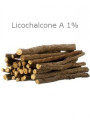
- Licorice Extract (Licochalcone A 1%, Water-Soluble): This is a water-soluble liquid extract containing 1% Licochalcone A. Its primary benefits are reducing skin inflammation, redness (especially from acne), irritation, and controlling skin oiliness. It is suitable for water-based formulations with a pH of 3.5-6.5 and can be used for conditions like eczema.
- Hi-LiconeA™ Licorice Extract (Licochalcone A 20%): This is a higher concentration (20% Licochalcone A) powder extract that is soluble in glycols (like Propylene Glycol) but not water. It offers similar benefits to the 1% water-soluble type (reducing inflammation, irritation, oiliness, acne) but is used at a lower percentage due to its higher concentration. It also requires a pH range of 3.5-6.5.
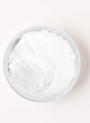
- Glycyrrhetinic acid (Enoxolone): This is a powder containing Glycyrrhetinic Acid (18b type). It is soluble in glycols or ethanol with heat. It is a strong anti-irritant and anti-inflammatory agent, often used in products for sensitive skin, allergic skin problems (like atopic dermatitis), and reducing redness. It is sensitive to light.
- Dipotassium Glycyrrhizate (DPG, High Purity): This is a water-soluble powder. It is widely used and accepted for reducing inflammation and irritation and helping to strengthen the skin. It is suitable for formulas with a pH of 4-7. While it reduces irritation, it does not have a skin whitening effect. It can cause slight liquefaction in formulas and is prone to oxidation, which can cause color change.
- Ammonium Glycyrrhizate: This is a water-soluble powder with anti-irritant effects and the ability to reduce skin oiliness. It can withstand heat up to 80 degrees Celsius.
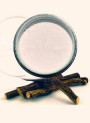
- Stearyl Glycyrrhetinate: This is an oil-soluble powder, an ester derivative of glycyrrhetinic acid. It provides anti-inflammatory, soothing, antioxidant, and skin barrier enhancing benefits. It is particularly useful for calming irritated or sensitive skin and conditions like atopic dermatitis. It dissolves in oil, easier with heat.
- Glycyrrhizic acid (Oil Soluble Licorice Extract): This is an oil-soluble powder containing Glycyrrhizic acid (and its active form, glycyrrhetinic acid). It offers broad benefits including anti-inflammatory, soothing, antioxidant, and antimicrobial effects. It can help soothe irritated skin, potentially beneficial for psoriasis and eczema, and may also have skin brightening and anti-aging properties. It dissolves in oil, easier with heat.
- Licorice Extract (Glabridin 4.5%, Water-Soluble), Hi-Glabridin™ (Glabridin 40%), and Pure-Glabridin™ (Glabridin 90%): These extracts contain Glabridin. While they also have anti-irritation effects, their primary recognized benefit is skin whitening by inhibiting tyrosinase. The water-soluble version (4.5%) is a liquid, while the higher concentration versions (40% and 90%) are powders soluble only in Butylene Glycol or Ethanol.
In summary, when choosing a licorice extract for anti-inflammatory purposes, consider the specific active compound (Licochalcone A, Glycyrrhetinic Acid derivatives, or Glabridin), its solubility (water, oil, or glycol/ethanol), the required concentration, and any additional benefits desired (like oil control or whitening).
Related Products Mentioned
Nano Silver 20nm Powder
Glycyrrhetinic acid (Enoxolone)
Stearyl Glycyrrhetinate