Differences between Licorice Extracts, Color Contribution, and Niacinamide Safety/Effectiveness
Question
I have questions regarding several ingredients:
1. What are the differences between Licorice root extract, Licorice leaf extract, and Licorice PT40?
2. Why does a cream containing Licorice PT40 turn brown?
3. I saw a blog post claiming Niacinamide is dangerous. Is this true? How should I interpret such claims compared to sources like the Mayo Clinic, which gives Niacinamide a grade of C?
Answer
Differences between Licorice Extracts and Niacinamide Safety
Regarding the differences between Licorice root extract, Licorice leaf extract, and Licorice PT40:
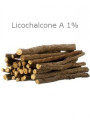
As discussed by the expert, Licorice root extract and Licorice leaf extract are derived from different parts of the licorice plant, and these parts can contain varying active compounds. The extraction process aims to isolate specific beneficial substances from the chosen part. Licorice PT40 is a trade name; specifically, based on product information, Licorice PT40 refers to Hi-Glabridin™ Licorice Extract (Glabridin 40%). Other forms of licorice extract available include Licorice Extract (Glabridin 4.5%, Water-Soluble), Pure-Glabridin™ Licorice Extract (Glabridin 90%) (also known as Licorice PT90), Licorice Extract (Licochalcone A 1%, Water-Soluble), Hi-LiconeA™ Licorice Extract (Licochalcone A 20%), and Ammonium Glycyrrhizate. These different extracts contain different primary active compounds (like Glabridin or Licochalcone A) and thus offer different benefits, such as whitening, anti-irritation, anti-inflammatory, or oil control properties.
Regarding the color of creams containing Licorice PT40:
The product description for Hi-Glabridin™ Licorice Extract (Glabridin 40%), or Licorice PT40, states that its product appearance is a Brown powder. This inherent color can potentially contribute a brown tint to a cream formulation. Other licorice extracts have different colors; for instance, Licorice Extract (Glabridin 4.5%, Water-Soluble) is described as colorless to light yellow, while Licorice Extract (Licochalcone A 1%, Water-Soluble) is a brown liquid. The color contribution depends on the specific extract used and its concentration.
Regarding the potential dangers of Niacinamide:
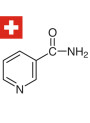
Based on the expert discussion, concerns about the dangers of Niacinamide from certain sources, like the blog post you mentioned, should be interpreted with caution. Scientific research requires expertise to understand correctly, and studies might use conditions (e.g., extremely high concentrations) that are not relevant to typical cosmetic use. Reputable sources like the Mayo Clinic provide more reliable assessments of ingredients based on rigorous review of scientific evidence. Products like Safe-B3™ (Vitamin B3, Niacinamide) and Extreme-B3™ (Vitamin B3, Niacinamide, Highest Purity) are high-purity forms of Niacinamide widely used in cosmetics for benefits such as reducing wrinkles, improving hyperpigmentation, enhancing skin barrier function, and controlling oiliness. High-purity Niacinamide is generally considered safe for topical application in cosmetic formulations.
Related Products Mentioned
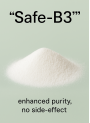
Safe-B3™ (Vitamin B3, Niacinamide)