Difficulty and Ingredients for DIY Sunscreen
Question
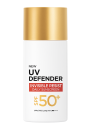
Following the previous advice about the difficulty and necessity of specialized equipment for measuring SPF/PA when making sunscreen, I am still interested in understanding the components. Could you please provide information on what ingredients are typically found in sunscreen formulations? I'd also like to know more about the risks involved if the formulation is incorrect, and if there are any easier alternatives like using pre-made bases such as Clear Sprayable Sunscreen (SPF40), SPF Protect Ultra™ III (UVA+UVB), or Light Invisible Sunscreen (SPF50+, PA++++).
Answer
Hello! I understand you're interested in making your own sunscreen and want to know what ingredients are typically found in sunscreen.
As the staff previously advised, making sunscreen yourself is complex and carries significant risks. The most crucial aspect is accurately measuring the SPF and PA values to ensure the sunscreen effectively protects your skin from UV radiation. This requires specialized and expensive equipment. If the formulation is incorrect, the homemade sunscreen may not provide adequate sun protection.
However, to give you a basic understanding of sunscreen ingredients, the main components typically include:
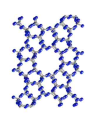
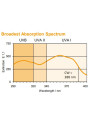
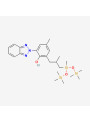
- UV Filters: These are the core ingredients for UV protection. They include Physical/Mineral Filters that reflect light, such as Titanium Dioxide and ZeoBlock™, and Chemical Filters that absorb light, such as Homosalate, Enzacamene, Bisoctrizole, and Drometrizole Trisiloxane.
- Base Ingredients: Such as water, oils, humectants, and thickeners that form the cream's texture.
- Other Additives: Such as preservatives and antioxidants.
For those interested in experimenting, you might consider using pre-made sunscreen bases that already have SPF/PA values, such as Clear Sprayable Sunscreen (SPF40), SPF Protect Ultra™ III (UVA+UVB), or Light Invisible Sunscreen (SPF50+, PA++++). Using a pre-made base can simplify the process, but you still need to consider the compatibility of other ingredients you add and how they might affect the final product's efficacy.
In summary, while ingredients for sunscreen exist, formulating it yourself to meet efficacy and safety standards is difficult and costly. It is generally safer and more reliable to use commercially available sunscreens that have undergone testing.
Related Products Mentioned
Homosalate
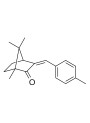
SPF Protect Ultra™ III (UVA+UVB)