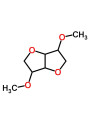
Dimethyl Isosorbide vs. WaterSoft for Reducing Stickiness in Water-Based Formulas
Question
Regarding Dimethyl Isosorbide (DMI), which is a penetration enhancer:
- Does this ingredient help reduce skin stickiness after application?
- My understanding is that faster skin absorption should reduce stickiness. Is this correct?
- Alternatively, should I use Water Soft (PEG/PPG-17/6 copolymer) specifically to reduce stickiness in a water-based product formulation?
Answer
Dimethyl Isosorbide (DMI) vs. WaterSoft for Reducing Stickiness
Dimethyl Isosorbide (DMI) is primarily used as a penetration enhancer. Its main function is to help carry other active ingredients deeper into the skin, which can improve their effectiveness. While faster absorption might indirectly contribute to a less sticky feeling by getting the product off the skin surface quicker, DMI's core purpose is not to modify the texture or feel of the formulation itself.
On the other hand, WaterSoft (PEG/PPG-17/6 copolymer) is specifically designed as a water-soluble emollient. Its function is to improve the skin feel of water-based formulations, making them feel softer and smoother, and directly helping to reduce stickiness or tackiness. It is an excellent choice for water-based products where a non-greasy, smooth finish is desired without using silicones or oil-based emollients.
Therefore, if your primary goal is to reduce the stickiness of a water-based product, WaterSoft is likely a more suitable ingredient to use as it directly addresses the feel and texture of the formulation.
Related Products Mentioned

WaterSoft™ (PEG/PPG-17/6 copolymer)