Discoloration in Pet Care Product with Ionic Silver
Question
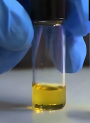
In a pet care product formulation containing Ionic Silver Solution and Zinc Ricinoleate, without EDTA, the product turned from clear to brown after being made and left to sit. What is the likely cause of this discoloration – the formulation itself, the manufacturing process steps, or the packaging and storage conditions?
Answer
Formulation Issue: Browning in Pet Care Product with Ionic Silver and Zinc Ricinoleate
The browning observed in your pet care formulation containing Ionic Silver Solution and Zinc Ricinoleate, without EDTA, is most likely due to the instability of the Ionic Silver Solution.
Ionic Silver is known to be sensitive to several factors that can cause it to degrade and change color, often turning brown or gray as the silver ions are reduced to colloidal silver particles. Key factors contributing to this instability include:
- Light Sensitivity: Ionic Silver is highly reactive to light. Exposure to light, especially through clear packaging, can quickly cause it to degrade and turn brown.
- Heat Sensitivity: High temperatures during the manufacturing process or storage can also destabilize Ionic Silver.
- Incompatible Ingredients: Ionic Silver can react with various ingredients in a formulation, including salts, electrolytes, and cationic substances. These interactions can lead to the precipitation or reduction of silver ions, causing discoloration.
- pH Level: The stability of Ionic Silver is dependent on the pH range of the formula. Using an Ionic Silver product outside its recommended pH range can lead to instability.
- Absence of Chelating Agents: While EDTA is specifically mentioned as something to avoid with some ionic silver types, chelating agents are generally used to bind metal ions and prevent discoloration reactions. The absence of any suitable chelating agent might leave the silver ions more vulnerable to reactions that cause browning.
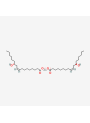
Given that the product was initially clear and then turned brown over time, it suggests a reaction or degradation process is occurring. While Zinc Ricinoleate solution itself can be yellow, the browning points towards a change in the silver component.
Therefore, the browning is likely a result of the formula itself (due to ingredient compatibility, pH, or lack of stabilization) combined with storage and packaging conditions (exposure to light or heat). It is less likely to be solely due to the manufacturing process unless excessive heat was applied or the silver was added at a high temperature.
To address this, consider reviewing:
- The specific type of Ionic Silver used and its recommended pH range.
- The overall pH of your final formulation.
- Other ingredients in the formula that might be incompatible with Ionic Silver (e.g., salts, cationic compounds).
- Your manufacturing process to ensure Ionic Silver is added at a low temperature.
- The packaging used – ensure it provides adequate protection from light.
- Storage conditions – keep the product in a cool, dark place.