Discoloration Issue: Niacinamide and Copper Gluconate Incompatibility
Question
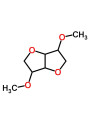
I am formulating a serum containing Niacinamide (8%), PHA, various B vitamins, Aloe Vera, Glycerin, DMI, preservatives, and minerals (Mg, Zn, Cu Gluconate) followed by GHK-Cu. After adding Copper Gluconate, the mixture turned black. What is causing this discoloration and how can I fix it?
Answer
Formulation Issue: Niacinamide and Copper Incompatibility
Based on your formulation and the point at which the discoloration occurred, the black color is most likely caused by an incompatibility reaction between Niacinamide (Vitamin B3) and Copper Gluconate.
Here's a breakdown of what's happening and how to address it:
Niacinamide is known to react with certain metal ions, particularly copper, to form complexes that can cause discoloration, often turning the product yellow, brown, or even black, especially at higher concentrations of Niacinamide (like the 8% in your formula). This reaction is accelerated by heat and certain pH conditions, although your target pH of 5.0 is generally within the stable range for Niacinamide and suitable for Copper Peptide (GHK-Cu).
While your formula also contains Zinc Gluconate and Magnesium Aspartate, copper is the most common culprit for this type of dark discoloration when combined with Niacinamide.
How to Fix the Formulation
To prevent this black discoloration, you need to avoid the direct interaction between Niacinamide and copper ions. Here are a few options:
- Remove Copper Gluconate: If the primary goal is to use Copper Peptide (GHK-Cu), the additional Copper Gluconate might not be necessary and is the most probable cause of the reaction. Removing it would likely solve the color issue.
- Re-evaluate Mineral Inclusion: Consider if Magnesium Aspartate and Zinc Gluconate are essential for your formula. While less likely to cause black color, metal ions can sometimes interact with other ingredients or affect stability.
- Consider Alternative Copper Sources (Use with Caution): Some forms of copper might be more stable or less reactive with Niacinamide. However, introducing a different copper ingredient would require thorough compatibility testing. Note that the Copper Peptide (GHK-Cu) product description specifically advises against using Disodium EDTA as it can bind the copper and reduce the peptide's effectiveness. Therefore, adding a chelating agent like EDTA to prevent the Niacinamide-copper reaction is not recommended if you want the GHK-Cu to function correctly.
Given that the black color appeared right after adding Copper Gluconate and before adding GHK-Cu, the simplest and most effective solution is to remove the Copper Gluconate from your formula. Your formula already includes Copper Peptide (GHK-Cu), which provides copper in a peptide-bound form intended for skin benefits.
Your mixing steps seem generally appropriate, but the chemical incompatibility between Niacinamide and Copper Gluconate is the fundamental issue causing the color change. The pH of 5.0 is suitable for the stability and efficacy of both Niacinamide and Copper Peptide (GHK-Cu).
Summary of Recommended Action
Remove Copper Gluconate from your formulation to prevent the reaction with Niacinamide that is causing the black color.
Related Products Mentioned
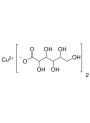
Copper Gluconate
Glycerin (USP/Food Grade)
Phenoxyethanol (Extra Pure)
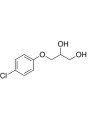
Chlorphenesin

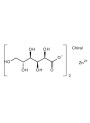
Zinc Gluconate
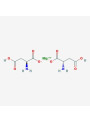
Magnesium Aspartate
Safe-B3™ (Vitamin B3, Niacinamide)

Natural PHA (Gluconolactone)
Vitamin B6 (Pyridoxine Hydrochloride)